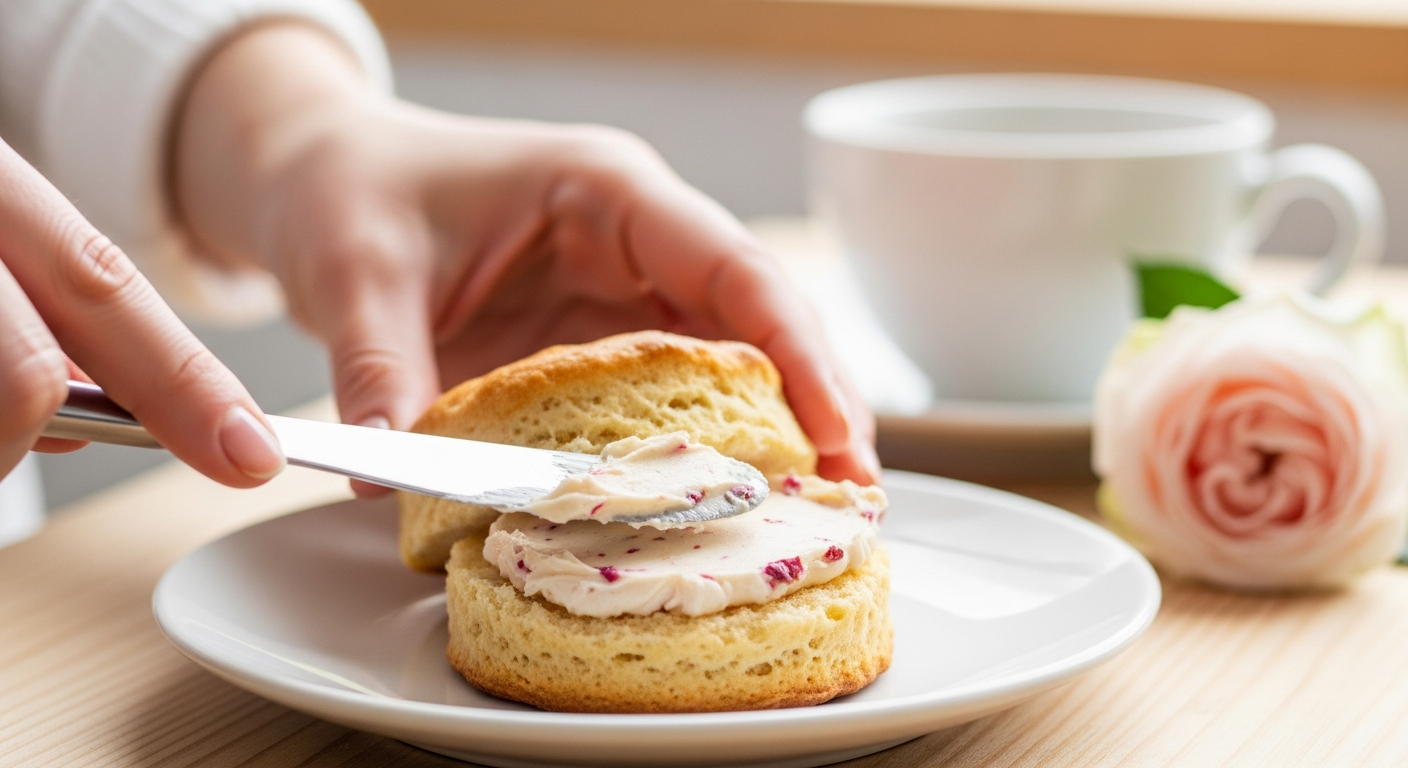
How to Make Rose Butter (Simple Rose Petal Compound Butter Recipe)
Last updated March 13, 2026
If you've got roses in your yard, you're closer to one of the most impressive little homemade things I know how to make. Rose butter — a simple compound butter made with fresh rose petals — takes about ten minutes and looks like something from a fancy bakery. I make a batch every summer when my roses are in full bloom, and it never fails to get compliments at the breakfast table.
Before we go further: this is a recipe for culinary rose butter, the kind you eat. If you searched for rose body butter (the skincare lotion), you've landed in the wrong place — that's a different product entirely, made with shea butter and essential oils for moisturizing skin. This recipe is for a floral, delicate compound butter you spread on toast, scones, and warm dinner rolls.
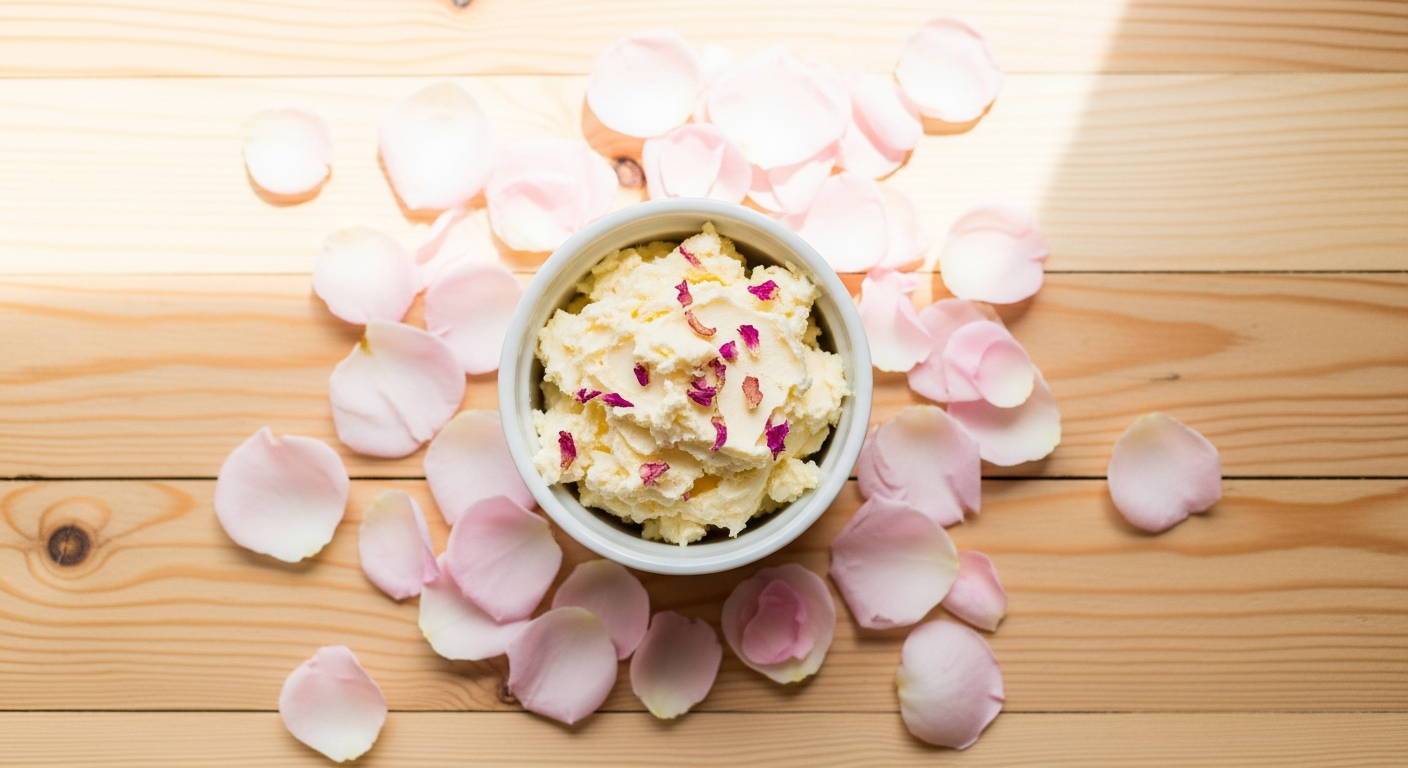
At a Glance:
- What it is: Culinary compound butter made with fresh rose petals
- Prep time: 10 minutes (plus 1 hour to chill)
- Makes: About 1 cup
- Stores: 2 weeks refrigerated, 3 months frozen
- Best for: Toast, scones, waffles, dinner rolls, gifting
What Is Rose Butter?
Rose butter is a compound butter — softened butter worked together with fresh rose petals until the flavor and fragrance of the roses are fully incorporated. It's been made for centuries in French and Middle Eastern kitchens, and it's genuinely one of those things that sounds fancy but couldn't be simpler.
The flavor is floral, delicate, and mildly sweet — like what you'd imagine a rose tastes like if it tasted as good as it smells. It's subtle enough that it doesn't overwhelm whatever you're spreading it on. It just makes everything feel a little more special.
Choosing the Right Roses
This is where most articles on rose butter skip a step, so I'm going to give you the full picture. Not every rose is safe to eat, and not every rose will taste like anything.
The #1 Rule — Unsprayed Only
The only roses you can safely eat are roses that have never been treated with pesticides, fungicides, or any chemical spray. Florist roses and grocery store flowers are almost always chemically treated and are not safe for food — ever. Garden roses are perfect, as long as you know they haven't been sprayed. If you're not sure, assume they have been and skip them this year. It's not worth the risk.
The good news: if you have a rose bush in your backyard that you garden naturally, you're all set.
Which Varieties Taste Best
Here's a helpful rule: if it smells strongly of roses, it will taste of roses. Old garden roses, heritage varieties, and Rosa damascena (the Bulgarian variety used in rosewater and essential oils) have a deep, true rose fragrance and the most pronounced flavor. Modern hybrid tea roses from big-box garden centers often have almost no scent — and if they have no scent, they have no flavor. Take a sniff before committing to a whole batch.
No Rose Bush? Here's Where to Find Edible Petals
If you don't have roses growing, check your farmers market for vendors who sell edible flowers — they're increasingly common in spring and summer. You can also find food-grade dried culinary rose petals online; just make sure the listing specifically says edible or culinary grade, not "for potpourri."
How to Prep Your Rose Petals
This is the step that no one else seems to mention, and it makes a real difference. It takes about five minutes.
- Harvest in the morning, after the dew has dried but before the afternoon heat sets in. The petals have a higher oil content earlier in the day, which means more fragrance and flavor.
- Choose fully open, fragrant blooms. Avoid any petals that are starting to brown or have damage — they'll taste off.
- Rinse gently under cool water. A light rinse is all you need.
- Pat completely dry. This is important. Wet petals will make your butter weep. Use a paper towel or a clean cloth and make sure they're dry before you start mixing.
- Pinch off the white heel at the base of each petal. This is the small white bit at the very bottom where the petal connects to the flower. It's slightly bitter, and removing it gives you a cleaner, sweeter flavor in the finished butter. I keep a small pair of kitchen scissors just for this job — it goes fast.
- Chop finely or leave whole, depending on your preference. Finely chopped petals distribute more evenly and give a stronger flavor; whole petals look beautiful but are milder.
Simple Rose Butter Recipe
This is genuinely one of the easiest things I've ever made in my homestead kitchen. The hardest part is remembering to take the butter out ahead of time.
Ingredients:
- 1 cup (2 sticks) unsalted butter, softened to room temperature
- ½ to 1 cup fresh rose petals, white heels removed, finely chopped
- Pinch of flaky sea salt (optional, but I always add it — it brings out the floral flavor beautifully)
Instructions:
- Let your butter come fully to room temperature — give it 1 to 2 hours on the counter. Cold butter won't incorporate the petals smoothly, and you'll end up with chunks.
- Prepare your petals: rinse, dry thoroughly, remove white heels, and chop.
- In a medium bowl, combine the softened butter and rose petals.
- Stir with a wooden spoon or spatula until the petals are fully worked into the butter, about 2 minutes. It should look speckled with pink and green.
- Taste. If you want a stronger rose flavor, fold in a few more petals. If it's right, you're done.
- Transfer to a small ramekin or glass jar for immediate use, or roll it into a log: lay a sheet of parchment paper on a flat surface, spoon the butter along one edge, roll it into a log shape, and twist the ends closed like a piece of candy.
- Refrigerate for at least 1 hour before serving.
Rose Butter Variations Worth Trying
Once you've made the basic recipe, these variations are just as easy — just one more ingredient stirred in.
Honey Rose Butter
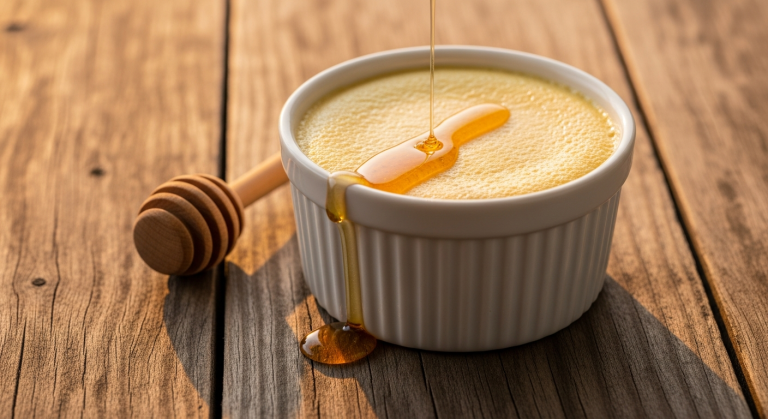
Stir in 1 to 2 tablespoons of raw local honey along with the rose petals. It's slightly sweet and golden, and it's the one I keep coming back to. Spread it on biscuits or waffles and you'll see why.
Lemon Rose Butter
Add 1 teaspoon of fresh lemon zest. The citrus brightens the floral flavor and makes it feel a little more summery. I love this one on scones or cucumber tea sandwiches.
Vanilla Rose Butter
Mix in ¼ teaspoon of pure vanilla extract. This one is warm and dessert-forward — incredible on French toast, pound cake, or brioche.
Savory Rose Herb Butter
Combine the rose petals with a pinch of fleur de sel and a teaspoon of fresh thyme leaves. No sweetness here — this is a finishing butter for grilled chicken thighs, lamb chops, or roasted vegetables, and it's stunning.
What to Serve with Rose Butter
Breakfast and brunch: Toast with a drizzle of honey, waffles, pancakes, English muffins, French toast, crumpets
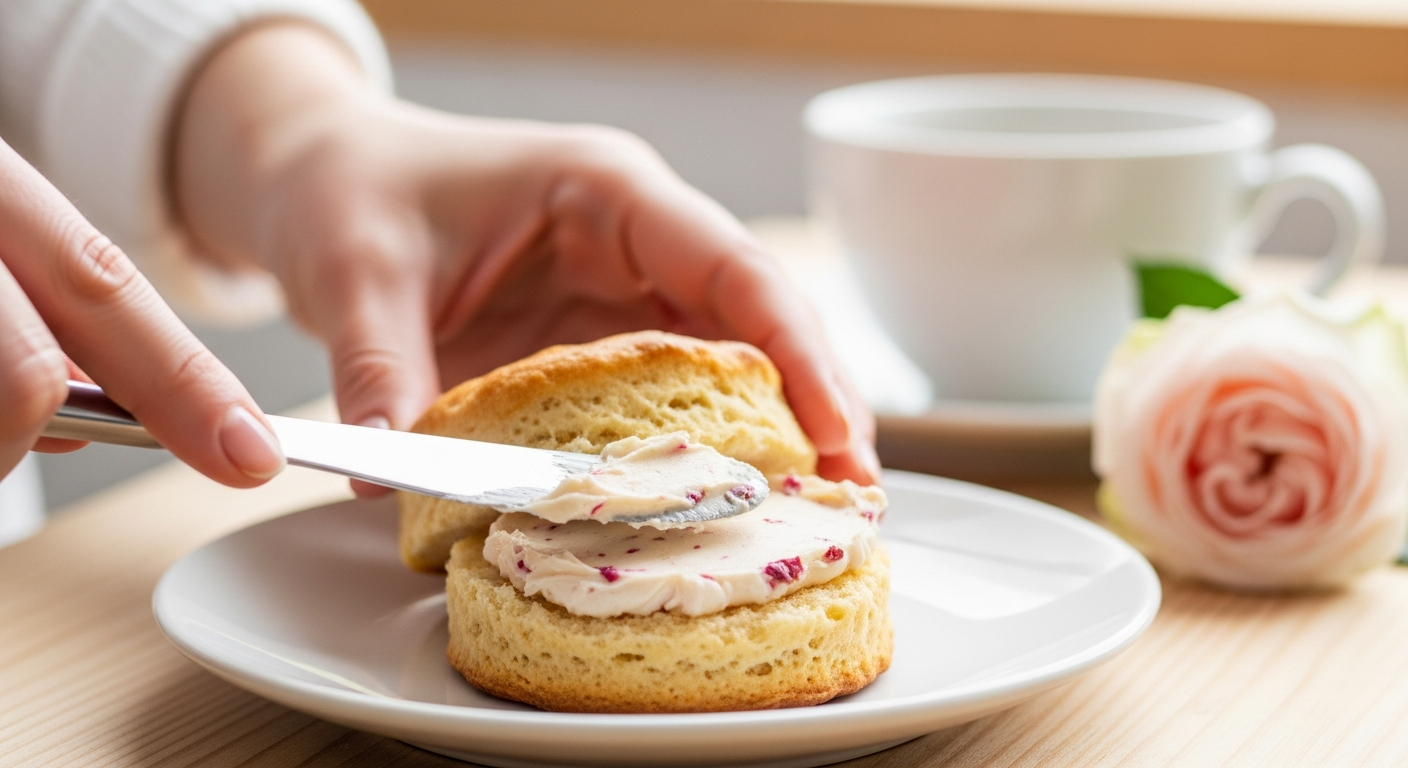
Baked goods: Warm scones (the classic pairing), homemade biscuits, dinner rolls, croissants, shortbread
Entertaining: Thin cucumber tea sandwiches with lemon rose butter, a small ramekin on a charcuterie board, Easter brunch, Mother's Day spread, garden parties
As a gift: This is my favorite use. Roll the butter into a log, wrap it tightly in parchment paper, and tie both ends with a piece of twine. Add a small handwritten label and you've got a beautiful hostess gift, teacher appreciation gift, or neighbor thank-you that looks like it came from a boutique food shop. Tuck it into a small 4oz mason jar with a ribbon if you want it to feel even more special.
How to Store Rose Butter
In the Refrigerator (Up to 2 Weeks)
Store in an airtight jar or container, or keep the log wrapped in parchment. Butter absorbs fridge odors quickly, so make sure it's well-covered. If you're using a ramekin, press a piece of plastic wrap directly against the surface before putting the lid on.
In the Freezer (Up to 3 Months)
The log format is made for freezing. Wrap it in parchment, slip it into a zip freezer bag, and label it with the date. When you want some, just slice off a round straight from the freezer — no need to thaw the whole thing. This is how I save mine so I can enjoy it long after rose season ends.
Frequently Asked Questions
What does rose butter taste like?
Rose butter is floral, delicate, and mildly sweet — like a rose smells, but in a subtle, edible way. The intensity depends on your roses; the more fragrant the bloom, the more pronounced the flavor. It's gentle enough to enhance rather than overpower whatever you're spreading it on.
Can I use roses from the grocery store or florist?
No. Roses from florists and grocery stores are almost always treated with pesticides that are not safe to consume. Only use roses you know are unsprayed — from your own garden, a farmers market edible flower vendor, or a trusted food-grade supplier.
What's the difference between rose butter and rose body butter?
They're completely different products. Rose butter (this recipe) is a culinary compound butter you eat. Rose body butter is a cosmetic skincare product made with shea butter and carrier oils — it's for moisturizing skin, not for spreading on toast. If you're looking for the skincare version, you'll need a different recipe.
Can I use dried rose petals instead of fresh?
Yes. Use about 2 to 3 tablespoons of food-grade dried rose petals in place of fresh. They're more concentrated in flavor, so start with less and taste as you go. Make sure the label says edible or culinary grade.
Do I need to remove the white part at the base of the rose petal?
Yes, and it's worth the few extra minutes. The small white "heel" at the bottom of each petal is slightly bitter. Pinching or snipping it off before mixing gives you a sweeter, cleaner flavor in the finished butter.