How Much Do KuneKune Pigs Cost? A Complete 2025 Price Guide
Last updated March 12, 2026
KuneKune pigs typically cost between $100 and $850 or more, depending on whether the pig is registered, what sex it is, and where you live. A neutered barrow for a pet might run you $150. A registered breeding sow in a desirable bloodline could be $800 or more. KuneKune pork, if you're buying it rather than raising your own, runs about $9-$15 per pound for take-home cuts. Here's a full breakdown of what to expect so you can budget before you commit.
| Unregistered female (sow/gilt) | $200–$350 |
| Registered female (sow/gilt) | $450–$850+ |
| Unregistered male (boar) | $200–$300 |
| Registered male (boar) | $400–$600+ |
| Barrow (castrated male, pet/meat) | $100–$400 |
| KuneKune pork (take-home) | $9–$15/lb |
| Monthly feed cost | ~$20–$40/pig |
What Is a KuneKune Pig? (A Quick Primer)
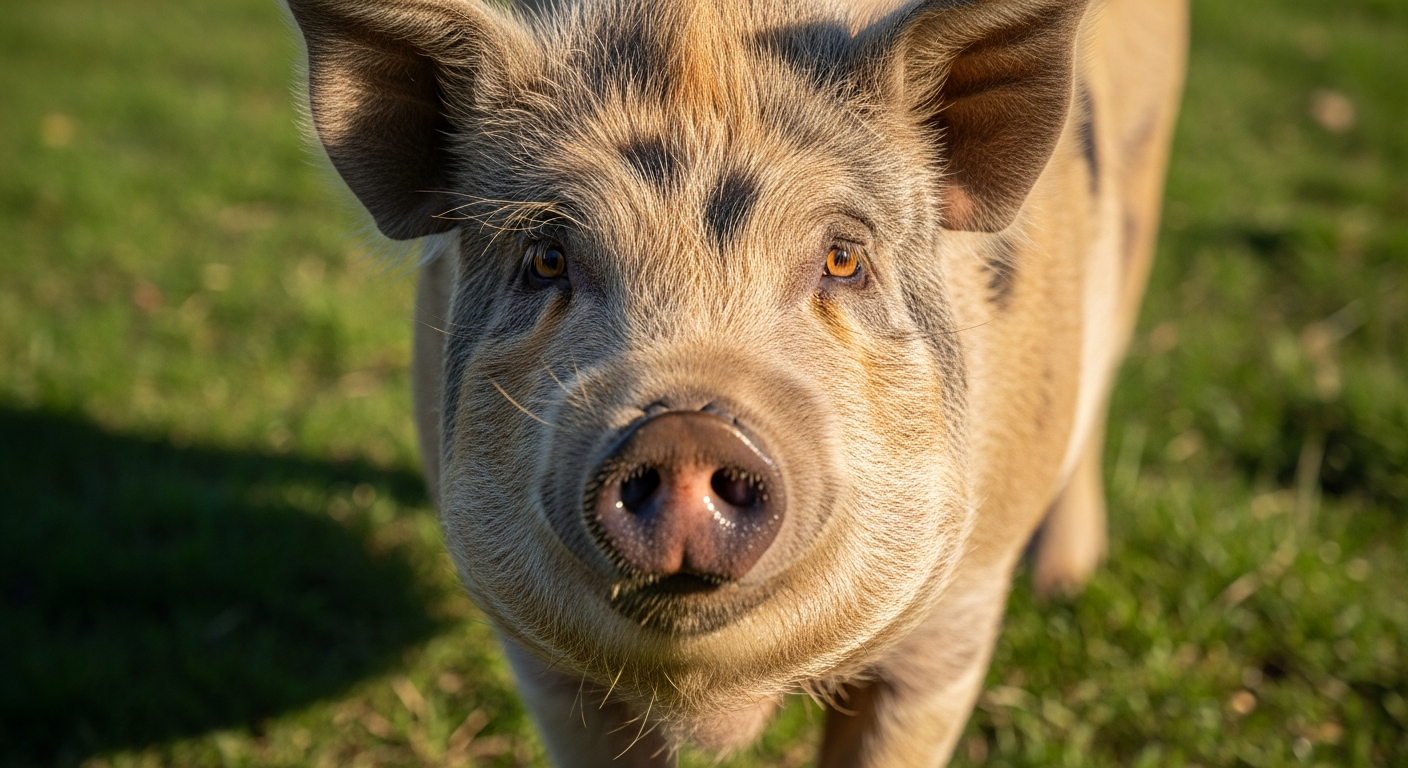
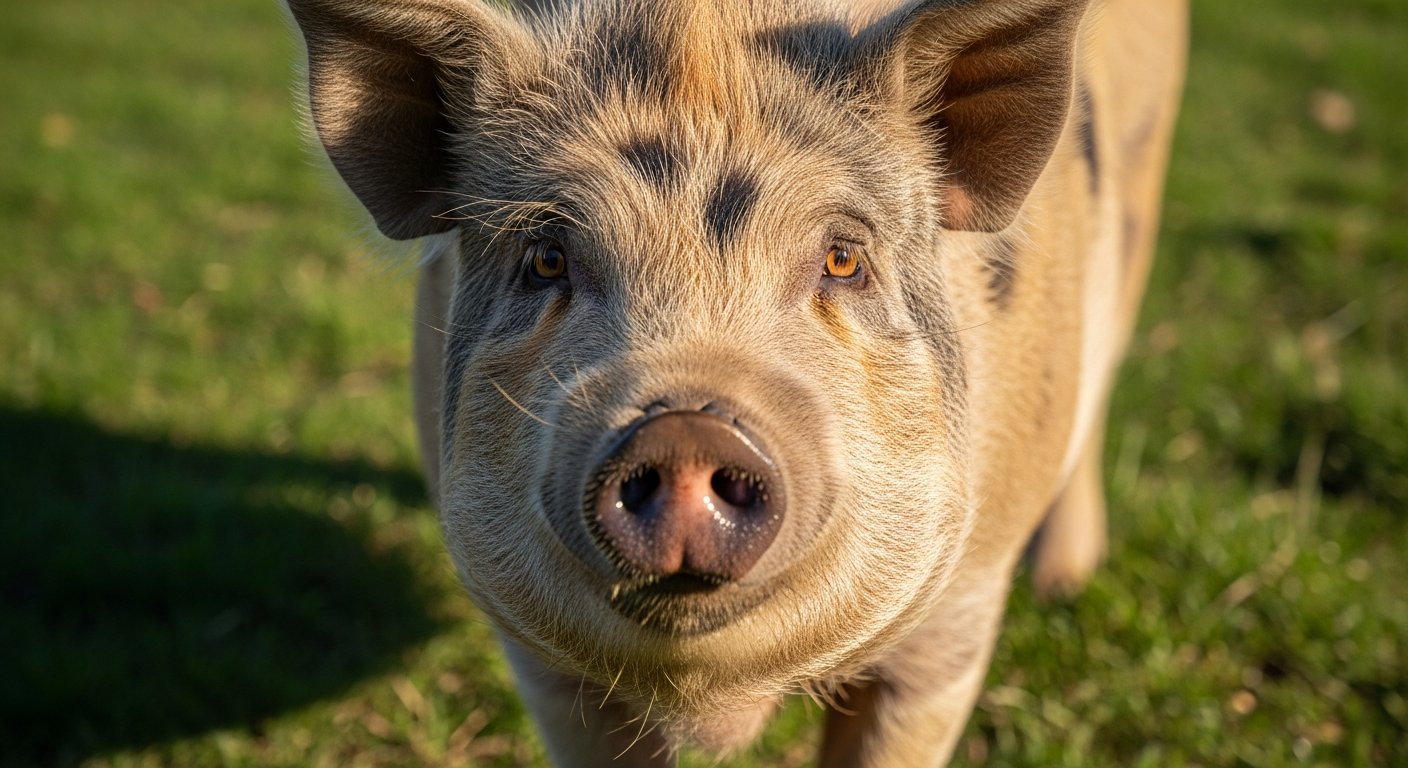
KuneKune pigs originated in New Zealand, and their name means "fat and round" in Maori — which is about as accurate a breed description as you'll ever find. They're a small-to-medium pig, typically reaching 250-400 lbs fully grown, with a docile temperament, a thick wiry coat, and a short upturned snout that makes them grazers rather than rooters.
What sets them apart for homesteaders is their foraging ability — they do well on grass with minimal supplemental feed — and their reputation for producing exceptional lard and deeply marbled pork. They're also just genuinely friendly animals, which is not something you can say about every pig breed.
One thing to know upfront: KuneKunes take 18-24 months to reach butcher weight, compared to 6-9 months for commercial breeds. That slow growth is a big reason why the pigs and the pork both cost a premium.
Registered vs. Unregistered — What's the Difference?
This is the question that confuses most first-time buyers, and it's the one that makes the biggest difference in price.
Registered KuneKune pigs have DNA-verified pedigrees through the American KuneKune Pig Society (AKKPS). Their bloodlines are recorded, their parentage is confirmed, and they meet the breed standard. Registration costs breeders real money — DNA testing runs about $29 per animal, plus registration fees and the time invested in careful genetic selection. That cost gets passed to the buyer.
Unregistered KuneKunes are still purebred KuneKunes in most cases — they just don't have the paperwork. They may come from backyard operations or from breeders who don't participate in the registry.
When to pay for registered: If you plan to breed and sell piglets, registered stock is worth every penny. Registered piglets sell for $400-$600 or more each. A sow producing two litters a year of six piglets can recover her purchase price in a single season. The papers are an investment, not just paperwork.
When unregistered is perfectly fine: If you're getting a pet, a companion animal for your existing livestock, or pigs to raise for your own table, skip the registration. Save that $200-$400 for fencing and feed. Unregistered KuneKunes make just as good pork.
KuneKune Pig Prices by Type
Here's where actual numbers matter. These are 2025 national ranges based on real breeder listings and sales data.
| Pig Type | Unregistered | Registered |
|---|---|---|
| Gilt/Sow (female, breeding age) | $200–$350 | $450–$850+ |
| Boar (intact male, breeding) | $200–$300 | $400–$600+ |
| Barrow (castrated male, pet/meat) | $100–$200 | $200–$400 |
| Proven Breeder (older, fertility-tested) | $300–$500 | $700–$1,200+ |
| Weaned piglet (8-10 weeks old) | $150–$250 | $400–$600 |
These are national ranges, and regional variation is real. Midwest pricing tends to run on the lower end — you might find an unregistered sow for $200 in Minnesota. The Northeast and West Coast typically run 20-30% higher; one Connecticut farm I came across was charging $750-$850 per piglet based on sex and coloring alone.
Specific bloodline names and color patterns can push prices higher than these ranges with some breeders. If you see a pig priced significantly above the upper end, ask about the bloodline — there's usually a reason, and a good breeder will explain it.
What Does It Cost to Own a KuneKune Pig Each Year?
KuneKunes are genuinely one of the most affordable pigs to keep, largely because of their foraging ability. A pig with access to good summer pasture needs very little supplemental grain. Here's a realistic annual budget per pig:
| Expense | Low Estimate | High Estimate |
|---|---|---|
| Supplemental feed (with pasture) | $240/yr | $480/yr |
| Vet/worming | $50/yr | $150/yr |
| Bedding and misc | $50/yr | $100/yr |
| Total per pig per year | ~$340 | ~$730 |
The low end assumes good pasture access through the growing season and minimal grain supplementation. The high end is for a pig on limited grass, or in a climate with a long winter where hay and grain make up most of the diet.
One thing worth factoring in before you buy: KuneKune pigs live 15-20 years, which is significantly longer than most livestock breeds. They're more comparable to a dog than a market hog in terms of commitment. That's part of what makes them wonderful companion animals — and something to think through seriously before you bring one home.
KuneKune Pork Prices — The Honest Math
Buying KuneKune Pork
If you're buying from a farm rather than raising your own, here's what to expect:
- Take-home pork (all-inclusive): $9-$15/lb, depending on region and farm
- Ground KuneKune pork: ~$14/lb retail
- Whole or half hog: Typically $1,250-$1,350 all-in for a 200 lb live pig — that's roughly $7/lb hanging weight plus $200-$300 in processing fees
Raising Your Own — What You'll Actually Get
The weight math that most articles skip:
A 200 lb live pig yields about 150 lbs of hanging weight (70-75% of live weight). From that 150 lbs, you'll take home roughly 80-100 lbs of actual cuts — chops, roasts, ribs, ground pork — after processing (55-65% of hanging weight).
That means from a 200 lb pig: expect about 90 lbs of pork in your freezer.
Here's the honest bottom line: you won't save money raising your own KuneKune pork compared to buying conventional pork at the grocery store. The 18-24 month timeline, the feed, and the processing fees add up to something that doesn't pencil out as a budget strategy. The value is in the quality — exceptional marbling, superior fat for lard rendering, and knowing exactly how that animal was raised. If that matters to you, it's absolutely worth it.
Are KuneKune Pigs Worth It?
The honest answer is: it depends on why you're getting one.
For pets or companions on small acreage: Yes. KuneKunes are docile enough that kids can interact with them safely, low-maintenance compared to most livestock, and easier on pasture than any other pig breed. If you want a farm animal that also happens to be genuinely enjoyable to be around, they're hard to beat.
For quality pork (if you care about knowing your source): Yes, with realistic expectations. The pork is exceptional — rich, deeply flavored, with the kind of fat that makes incredible lard for cooking and soapmaking. Just go in knowing this is a quality investment, not a cost-saving strategy.
For budget-minded meat production: Probably not the right breed. A faster-finishing commercial cross or a Berkshire will get you to the freezer in half the time with less feed cost. KuneKunes are slow, and you pay for that.
For a small breeding enterprise: Potentially very worth it. With registered stock and a good sow, you could realistically recover your initial investment within the first litter or two and build a small side income. But it requires real upfront investment and some patience.
My honest take: if I had a half-acre to dedicate to pigs and wanted an animal that wouldn't tear up my pasture, that my kids could pet, and that would give me the most remarkable lard I've ever rendered — a KuneKune would be my choice. They're not the cheapest pig you can raise and they're not fast. But for a small homestead that values quality over volume, they might be the most practical pig you can have.
How Much Land Do KuneKune Pigs Need?
This is one of the most common questions from people evaluating the breed, and it's one that no one seems to answer directly. Here's the real picture:
- Minimum (heavy supplemental feeding, no grazing): ~200 sq ft per pig
- Comfortable (pasture supplement): ~1/4 acre for 1-2 pigs
- Ideal (sustainable rotational grazing): 1/2 acre or more per pair
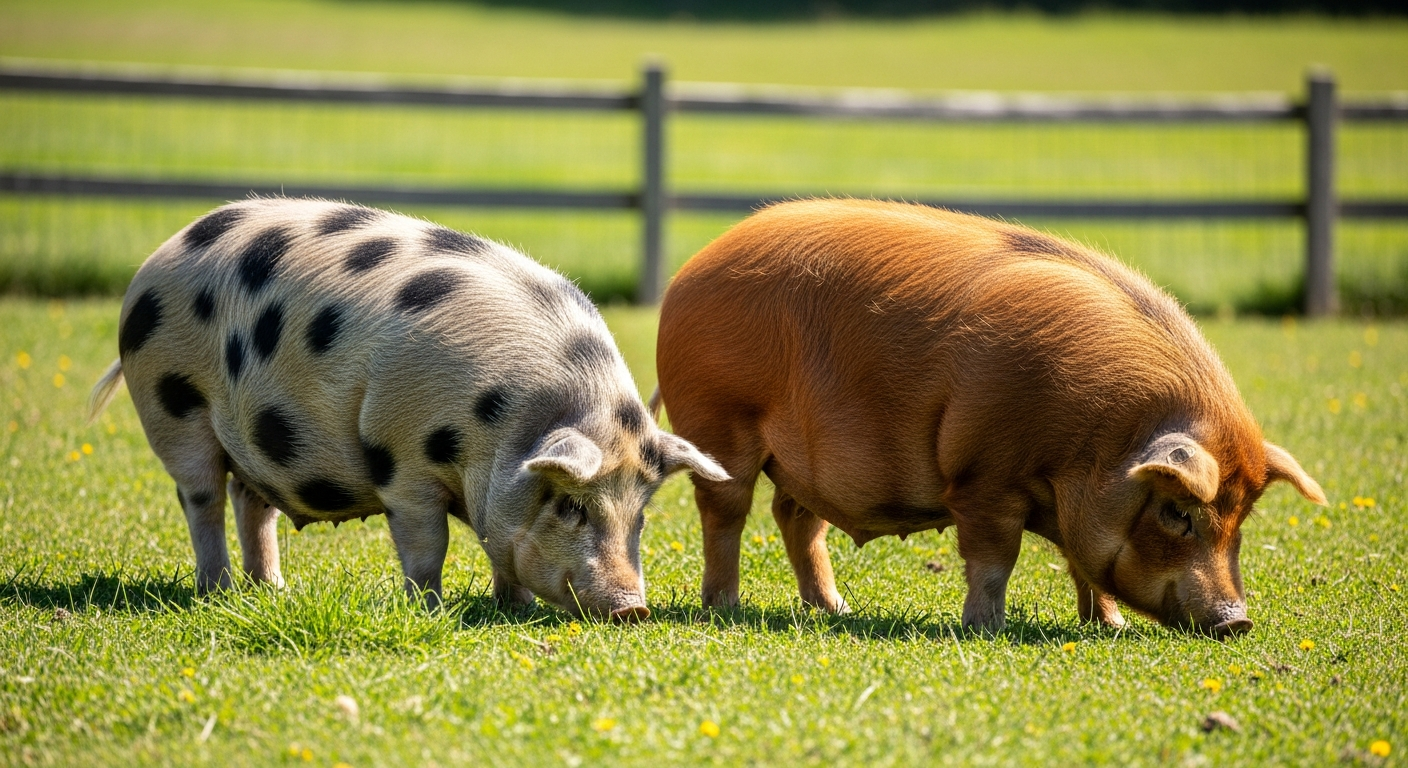
The key advantage of KuneKunes for small-space homesteaders is their short upturned snout. Most pigs root aggressively, turning pasture into a muddy wasteland within weeks. KuneKunes graze more like mini cattle — they crop the grass rather than dig it up. Your pasture stays intact significantly longer than it would with other breeds.
A KuneKune is genuinely one of the best pig breeds for someone with a small suburban homestead or a half-acre lot. They won't destroy your yard. That's not nothing.
Where to Find KuneKune Pigs for Sale
American KuneKune Pig Society breeder directory (americankunekunepigsociety.org/classifieds): Start here for registered stock. This is the best directory of vetted breeders, organized by state.
Facebook groups: Search "KuneKune pigs [your state]" or "KuneKune pigs for sale." This is where a lot of unregistered animals and backyard-breeder listings appear, often at lower prices than registered operations.
Craigslist and local livestock sales: Worth checking under "farm and garden" for your area. Unregistered animals are most likely to appear here.
Local agricultural fairs and homestead community events: Word of mouth still works. If you're connected to your local homesteading community, ask around.
One timing tip that's worth knowing: if you want spring or summer piglets — when most litters are born — start your search in December or January. Reputable breeders with popular bloodlines book out months in advance. Show up in April expecting to take home a piglet and you'll likely be waiting until fall.
FAQ
Are KuneKune pigs worth it? It depends on your purpose. For pets or companions, yes — they're calm, friendly, and easier on pasture than any other pig breed. For quality pork where you know your source, yes with realistic expectations about timeline and cost. For budget meat production, a faster-finishing breed makes more financial sense.
How much land do you need for two KuneKune pigs? Plan on at least 1/4 acre for two pigs for comfortable keeping with some pasture. A half acre or more is ideal for sustainable rotational grazing. Their short upturned snouts make them grazers rather than rooters, so they're much gentler on pasture than most breeds.
How much meat do you get from a KuneKune pig? From a 200 lb live pig, expect roughly 80-100 lbs of take-home cuts. Hanging weight is about 70-75% of live weight, and actual cut meat is about 55-65% of hanging weight.
What is the lifespan of a KuneKune pig? KuneKune pigs live 15-20 years — much longer than commercial meat breeds. They're a genuine long-term commitment, which is part of what makes them excellent companion animals.
What's the difference between registered and unregistered KuneKune pigs? Registered KuneKunes have DNA-verified pedigrees through the American KuneKune Pig Society. Registration matters if you plan to breed and sell piglets — registered offspring sell for 2-3x more. For pets or backyard meat, unregistered pigs are completely fine and significantly cheaper.
How much does it cost to feed a KuneKune pig per month? With pasture access, plan on $20-$40/month per pig for supplemental feed. On good summer pasture, a KuneKune needs very little grain. Winter feeding will push toward the higher end of that range.
Where can I find KuneKune pigs for sale near me? Start with the AKKPS breeder directory at americankunekunepigsociety.org for registered animals. For unregistered pigs, search Facebook groups for "KuneKune [your state]" or check Craigslist farm listings. If you want spring piglets, start looking in December — good litters book out early.