How Long Do Dwarf Rabbits Live? Average Lifespan + Tips to Help Them Thrive
Last updated March 12, 2026
Dwarf rabbits typically live 8 to 10 years as pets. If you've seen different numbers across different websites — some say 7, some say 12 — that's because the range depends on the specific breed, whether your rabbit is spayed or neutered, and the quality of daily care. A well-loved Netherland Dwarf can genuinely reach 12 years. The real-world average for a cared-for pet dwarf rabbit is right around 8 to 10, and that's the number I'd plan around.
| Rabbit Type | Average Lifespan |
|---|---|
| Wild rabbit | 1–2 years |
| Pet dwarf rabbit (average) | 8–10 years |
| Netherland Dwarf (excellent care) | Up to 12 years |
| Oldest recorded pet rabbit | 18 years |
Why Do Some Sources Say 7 Years and Others Say 12?
When I started looking into this, I noticed the same thing you probably did — the numbers are all over the place. WebMD says 10–12. Wikipedia says 7–10. Another site says 8. It's confusing, but there are a few real reasons for the range.
First, different dwarf breeds have different lifespans. A Netherland Dwarf tends to outlive most other small breeds, and studies that measured Netherland Dwarfs specifically came back with higher numbers. Second, spay and neuter status matters enormously — unspayed female rabbits have a very high risk of uterine cancer, which drags down lifespan averages in studies that include intact females. Third, care quality plays a huge role. A rabbit living outdoors in a basic hutch without regular vet care is going to have a shorter life than one living indoors with annual dental checkups.
The bottom line: if you're giving your dwarf rabbit good care — unlimited hay, indoor housing, proper diet, and a spay or neuter — 8 to 10 years is a realistic and achievable lifespan. Many will do better than that.
How Long Do Different Dwarf Rabbit Breeds Live?
"Dwarf rabbit" isn't a single breed — it covers eight or more breeds, each with slightly different expected lifespans. Here's how the most common ones compare:
| Breed | Average Lifespan |
|---|---|
| Netherland Dwarf | 10–12 years |
| Mini Lop | 9–12 years |
| Lionhead | 8–10 years |
| Holland Lop | 7–10 years |
| Dwarf Hotot | 7–10 years |
| Jersey Wooly | 7–10 years |
| Mini Rex | 7–9 years |
| American Fuzzy Lop | 7–12 years |
If you have a Netherland Dwarf specifically, you're actually in luck — they consistently outlive most other small breeds. Holland Lops and Mini Rex tend to land on the shorter end of the dwarf range, but with good care they routinely reach 9 or 10 years. Whatever breed you have, care quality matters more than genetics for most of these animals.
5 Things That Actually Affect How Long Your Dwarf Rabbit Lives
1. Indoor vs. Outdoor Living
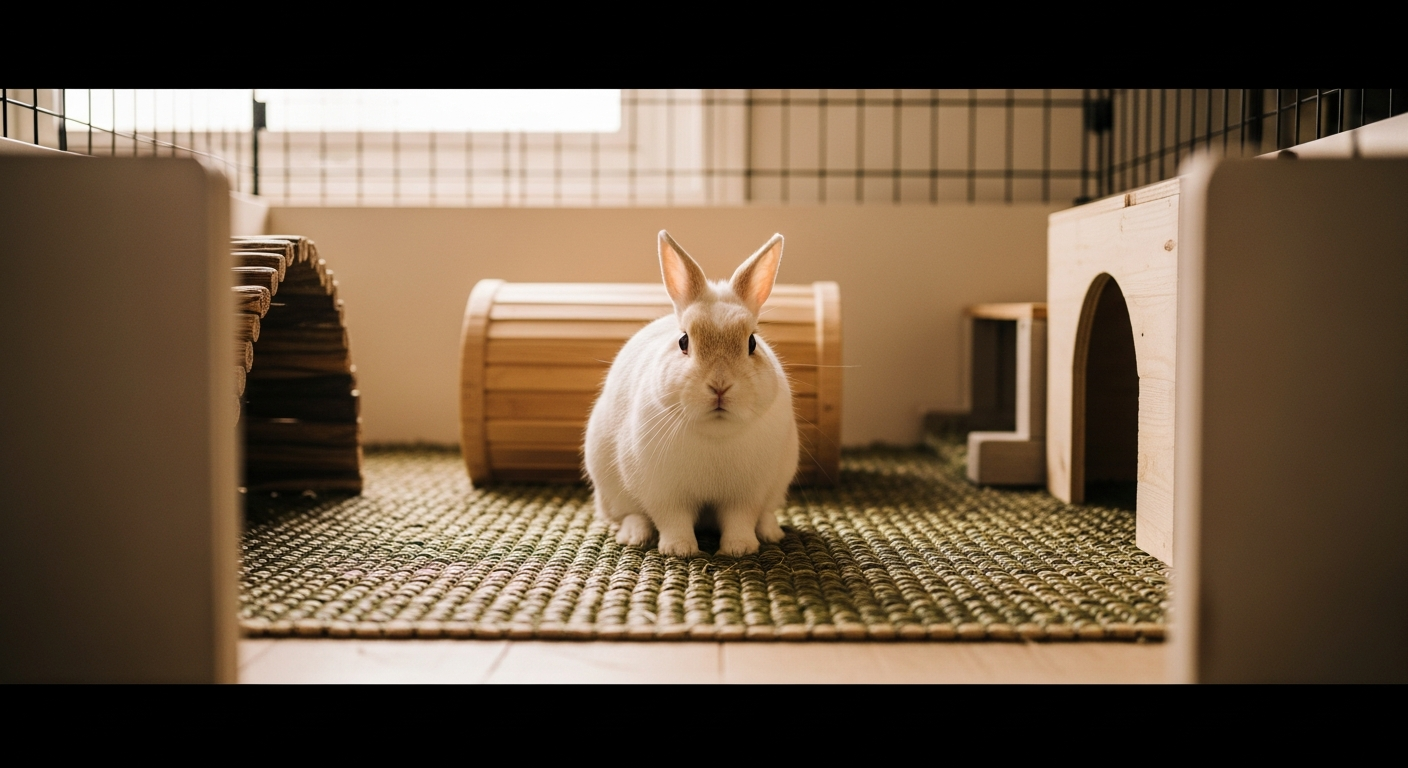
This is the single biggest factor you can control. Indoor rabbits outlive outdoor rabbits — not marginally, but significantly. It comes down to a few things: outdoor rabbits experience chronic stress from nearby predators (even if they're never actually caught, the constant presence of hawks, foxes, or neighborhood cats takes a physiological toll), they're exposed to temperature extremes, and they have a higher risk of parasites and fly strike. In an emergency, they're also harder to monitor.
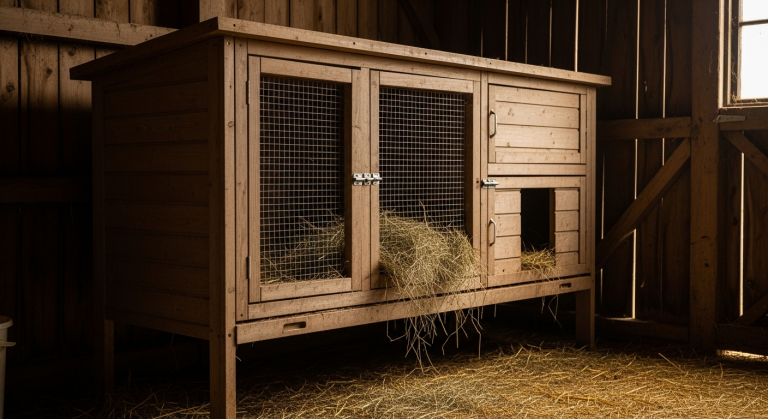
I'm not saying you can't keep a rabbit outside. Plenty of people do it with proper hutches and sheltered runs. But if longevity is a priority for you, indoor living gives your rabbit a meaningful advantage. If you do keep rabbits outside, a covered, predator-proof run with weather protection goes a long way.
2. Spaying or Neutering
This is the one thing I'd want every new rabbit owner to know before they even bring their bunny home, and it's the most under-discussed factor in most rabbit care articles.
Unspayed female rabbits have up to an 80% lifetime risk of uterine cancer. That number sounds shocking, but it's well-documented and it's why females that aren't spayed tend to die younger than males. Neutering males reduces aggressive behaviors, territorial stress, and injury risk from fighting. For both sexes, it tends to result in calmer, more social rabbits that live longer.
The timing recommendation is generally around 3 to 6 months of age — your vet can advise on the right window for your rabbit's breed and size. It's a routine procedure for an exotic vet, and the long-term payoff in years of life is genuinely significant.
3. Diet — Hay Is 70% of Everything
Rabbit nutrition feels complicated until you understand one thing: hay is the foundation of everything. Timothy hay should make up about 70% of your rabbit's diet — unlimited, always available. It provides the fiber their digestive system needs to keep moving, and it naturally wears down their continuously growing teeth.
Beyond hay, adult dwarf rabbits do well with fresh leafy greens daily — about 1 cup of greens per 2 pounds of bodyweight. Good options include romaine lettuce, parsley, cilantro, arugula, and basil. Pellets should be limited for adults: roughly 1/8 cup per day is plenty for a dwarf rabbit.
What NOT to feed: onions, leeks, garlic, rhubarb, avocado, iceberg lettuce (nutritionally empty and irritating to their digestion), raw beans, fruit pits, or anything high in sugar. These can cause real harm.
Frugal tip: pet store bags of hay are expensive and small. If you can get to a farm supply store, look for compressed hay bales — they're the same quality, often the same hay, at a fraction of the price.
4. Dental Health (Especially Important for Flat-Faced Dwarfs)
Rabbits' teeth grow continuously throughout their lives. If they don't wear them down through chewing — primarily through hay — the teeth can overgrow, shift, and cause painful malocclusion. This is a bigger risk for flat-faced breeds like Netherland Dwarfs, where the shortened skull sometimes leads to naturally crowded teeth.
The good news: the prevention is just the hay. A rabbit that's eating unlimited timothy hay is doing most of the work automatically. Annual vet dental checkups are worth it, especially for flat-faced breeds. Signs of dental trouble to watch for: your rabbit stops eating or eats much less, drooling, pawing at the face, or visible swelling along the jaw. If you see any of these, get to the vet quickly — dental problems can escalate fast.
5. Companionship and Mental Stimulation
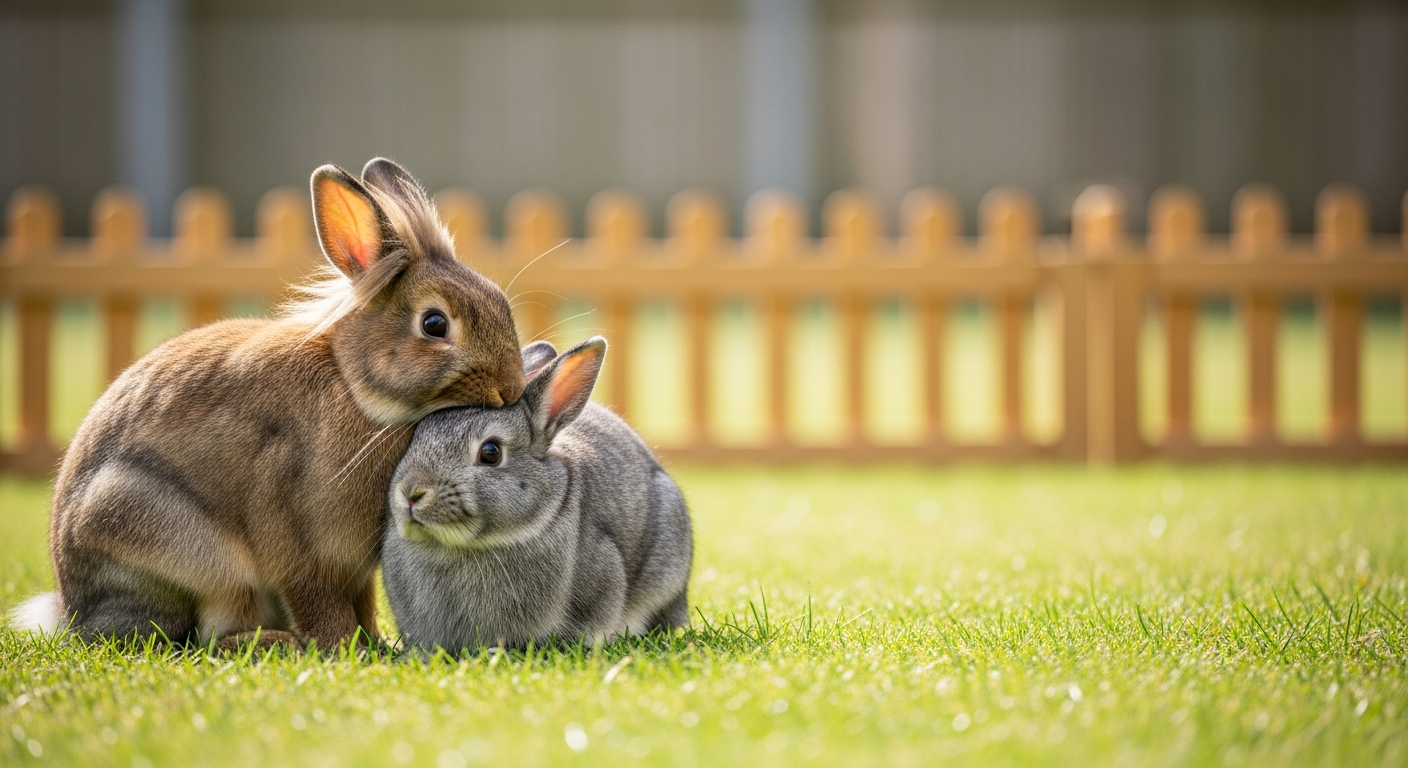
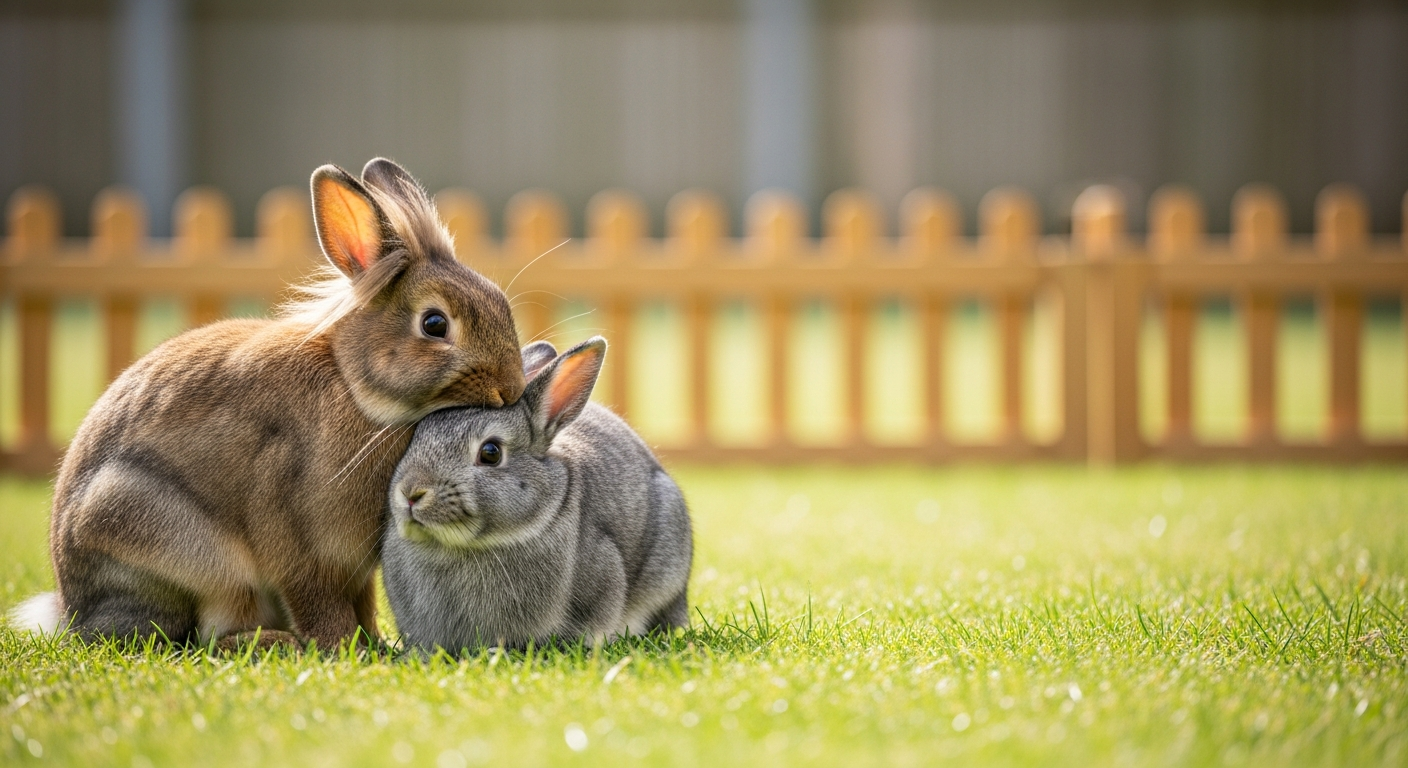
In the wild, rabbits live in groups of ten or more. Loneliness is genuine stress for them, and chronic stress over months and years has real effects on their immune system and longevity. A bonded rabbit companion is the ideal — watching two bonded rabbits groom each other and follow each other around is one of the sweetest things you'll see in a small animal.
If a companion rabbit isn't an option, daily handling and intentional enrichment matter. Cardboard boxes, wooden tunnels, and woven ball toys give them something to explore. Rotating the toys every week or two keeps things interesting — rabbits get bored with the same setup. You'd be surprised how much a rabbit's personality opens up when they feel socially engaged.
Is 7 Years Old for a Dwarf Rabbit?
Yes — 7 is solidly in senior territory for a dwarf rabbit. Think of it as roughly equivalent to a person in their early 60s. They're not ancient, but they're in the back half of their life.
Here's the reassuring part: with good care, a 7-year-old dwarf rabbit likely has 2 to 4 more years ahead. Some hit 10 or 11 with nothing more than consistent care and love. Don't write off a 7-year-old rabbit.
What senior rabbits look like — normal aging signs to expect:
- Moving more slowly and jumping less
- Sleeping more than they used to
- Graying around the face and ears
- Possible gradual weight changes (either direction)
- Teeth and joints needing closer monitoring
As rabbits hit senior years, annual vet visits become more important — ideally twice a year if your rabbit has any known health issues. The vet can catch dental changes and other age-related shifts before they become emergencies.
6 Signs Your Dwarf Rabbit Needs a Vet Right Away
Rabbits are prey animals. They hide illness instinctively — because in the wild, a sick rabbit is a vulnerable one. By the time symptoms are obvious, things can already be progressing quickly. Trust your gut, and don't wait it out.
These signs warrant a vet call, not a "let's see how they do tomorrow":
- Not eating or drinking for 12+ hours — This can indicate GI stasis, where gut movement slows or stops. It's a medical emergency in rabbits. Don't wait.
- Labored breathing, nasal discharge, or wet fur around the nose and eyes — Signs of a respiratory infection or URI.
- Head tilt or sudden loss of balance — Possible E. cuniculi infection, a parasite that affects the nervous system. Needs prompt treatment.
- Teeth grinding, drooling, or pawing at the face — Classic signs of dental pain. The teeth or jaw need to be checked.
- Bloody stool, mucus-heavy stool, or no stool at all for 12+ hours — All are signs of serious digestive trouble.
- Sudden severe lethargy, hiding, or unusual aggression — Behavior changes this dramatic usually mean something is wrong.
When in doubt, call your vet. GI stasis especially can go from "seems a bit off" to fatal within 24 hours.
FAQ
How long do dwarf rabbits live as pets? Dwarf rabbits typically live 8 to 10 years as pets. With excellent care — proper diet, indoor living, and spaying or neutering — many reach 11 to 12 years. The Netherland Dwarf is among the longest-lived small rabbit breeds, regularly reaching 12 years in a well-managed home.
Is 7 old for a dwarf rabbit? Yes — 7 is considered senior for a dwarf rabbit. It's roughly equivalent to a person in their early 60s. With good care, a 7-year-old dwarf rabbit likely has 2 to 4 more years ahead. Schedule vet visits at least annually, watch for the signs of aging listed above, and keep up their diet and enrichment.
How long do dwarf rabbits live indoors vs. outdoors? Indoor dwarf rabbits consistently outlive outdoor rabbits. Indoor rabbits are protected from predator stress, extreme temperatures, parasites, and fly strike — all of which can meaningfully shorten a rabbit's life. Outdoor rabbits can live long lives with proper housing, but indoor living is the safer choice for longevity.
Do male or female dwarf rabbits live longer? Male rabbits tend to live slightly longer than females on average. The primary reason is uterine cancer risk — unspayed females face up to an 80% lifetime risk, which significantly impacts survival rates for intact females. Spaying a female rabbit dramatically closes the gap and is strongly recommended for any rabbit kept as a long-term pet.
What is the oldest a dwarf rabbit has ever lived? The world's oldest recorded pet rabbit lived to 18 years. While that's exceptional, rabbits living to 12 to 14 years are not unheard of with outstanding long-term care. Most healthy dwarf rabbits with good care should reach at least 8 to 10 years.
What human foods are toxic to rabbits? Foods that are toxic or harmful to rabbits include: onions, leeks, garlic, rhubarb, avocado, fruit pits and seeds, raw beans, and iceberg lettuce. Chocolate, alcohol, and anything caffeinated should also be kept away. Fruit is safe in very small amounts as an occasional treat but shouldn't be a regular part of their diet due to the sugar content.
How can I help my dwarf rabbit live longer? The highest-impact steps are: spay or neuter early (especially females), keep them indoors, provide unlimited timothy hay as the foundation of their diet, make sure they have a bonded companion or plenty of daily interaction, and schedule annual vet checkups with a dental exam. These five things, done consistently, are what separate the 10-year rabbits from the 7-year rabbits.