What to Do with Lavender: 15 DIY Uses, Recipes, and Health Benefits
Last updated March 14, 2026
I've been growing lavender in my garden for years, and every summer I end up with more than I know what to do with. If you've ever found yourself staring at a big bundle of dried lavender — whether you grew it yourself, picked it up at a farm market, or bought a bag online — and had absolutely no idea where to start, this is for you.
The good news is that lavender is one of the most useful plants you can have around. You can make things with it, cook with it, clean with it, and use it for wellness. And most of the projects here don't require a lot of supplies or experience. I'll give you complete instructions for the beginner-friendly ones right in this article — no clicking away to five other pages.
Quick Snapshot
| DIY Projects | Culinary Uses | Wellness Uses |
|---|---|---|
| ⭐ Sachets | Lavender honey | Pillow spray |
| ⭐ Bath salts | Lavender sugar | Diffuser blends |
| ⭐⭐ Infused oil | Lavender simple syrup | Lavender tea |
| ⭐⭐ Honey sugar scrub | Lavender lemonade | Temple compress |
| ⭐⭐⭐ Lavender salve | Lavender shortbread | Bath soak |
| ⭐⭐⭐ Body butter | — | — |
All of these use English lavender (Lavandula angustifolia) — the standard for food, wellness, and DIY projects.
What Lavender Is Actually Good For
Before we get into making things, it's worth knowing why lavender is worth keeping around in the first place. People have been using it for centuries, and there's actually some solid modern research backing up a few of those traditional uses — plus a few claims that are overstated. Here's the honest version.
Lavender and Stress / Cortisol
Lavender contains two main compounds — linalool and linalyl acetate — that interact with GABA receptors in your brain, the same receptors that anti-anxiety medications target. When you inhale lavender (through a diffuser or pillow spray), research shows it can lower cortisol levels in adults under stress. I'm not saying it's a cure for anxiety, but a lavender diffuser running in the bedroom at night is backed by more than just folk tradition.
Lavender for Burns, Bug Bites, and Skin
Lavender essential oil has real anti-inflammatory and antimicrobial properties, which is why it soothes minor burns, sunburn, and bug bites. The key word is diluted — mix 2-3 drops into a tablespoon of carrier oil or aloe vera gel before applying to skin, and never put undiluted essential oil on broken or irritated skin. For anything more serious than a minor burn or bite, see a doctor.
Lavender and Bloating / Digestion
Lavender tea has been used as a traditional digestive folk remedy for a long time. The honest answer is that the evidence for lavender specifically is limited — it works better as a general calming agent than as a direct gut remedy. That said, if your bloating is stress-related, the relaxing effect of lavender tea (1 tsp dried lavender, steep 7-10 minutes) may genuinely help.
Lavender and Seizures
There is preliminary research on lavender for epilepsy — there's even an FDA-approved oral lavender supplement called Silexan, though it's approved for generalized anxiety disorder, not seizures. Aromatherapy is not a seizure treatment. If you or someone you care for manages a seizure disorder, that conversation belongs with a neurologist, not a blog post about DIY bath salts.
What Kind of Lavender Do You Need?
Not all lavender is the same, and buying the wrong type is a more common mistake than you'd think.
English Lavender vs. Other Varieties
English lavender (Lavandula angustifolia) is the one you want for pretty much everything on this list — DIY projects, cooking, and wellness. French lavender (L. stoechas) has more camphor in it, which gives it a sharper, almost medicinal scent that doesn't work well for food. When you're buying dried lavender, look for "English" or "true" lavender on the label.
Fresh vs. Dried — When It Matters
For infused oils and salves, you must use dried lavender. Even slightly damp plant material can introduce moisture into your oil and cause mold — and nobody wants to discover a moldy batch of infused oil a month later. For culinary uses, fresh or dried both work fine. When in doubt, dry it out.
To dry fresh lavender: tie small bundles with rubber bands and hang upside down in a warm, dry spot out of direct sunlight. It'll be ready in 1-2 weeks.
Where to Buy If You Don't Grow It
You don't need a lavender garden to make any of this. Organic culinary dried lavender is easy to find online — I keep a bag on hand that I use for everything from bath salts to lavender sugar. Look for a culinary-grade option so you know it's food-safe. Local lavender farms are wonderful in summer and often offer U-pick, which is a genuinely fun outing.
One important warning: avoid decorative lavender from craft stores. Those bundles are sometimes treated with dyes or pesticide residue and are not food-safe. Don't use them for anything you're putting in your bath or on your skin.
The Easiest Lavender DIYs — Start Here
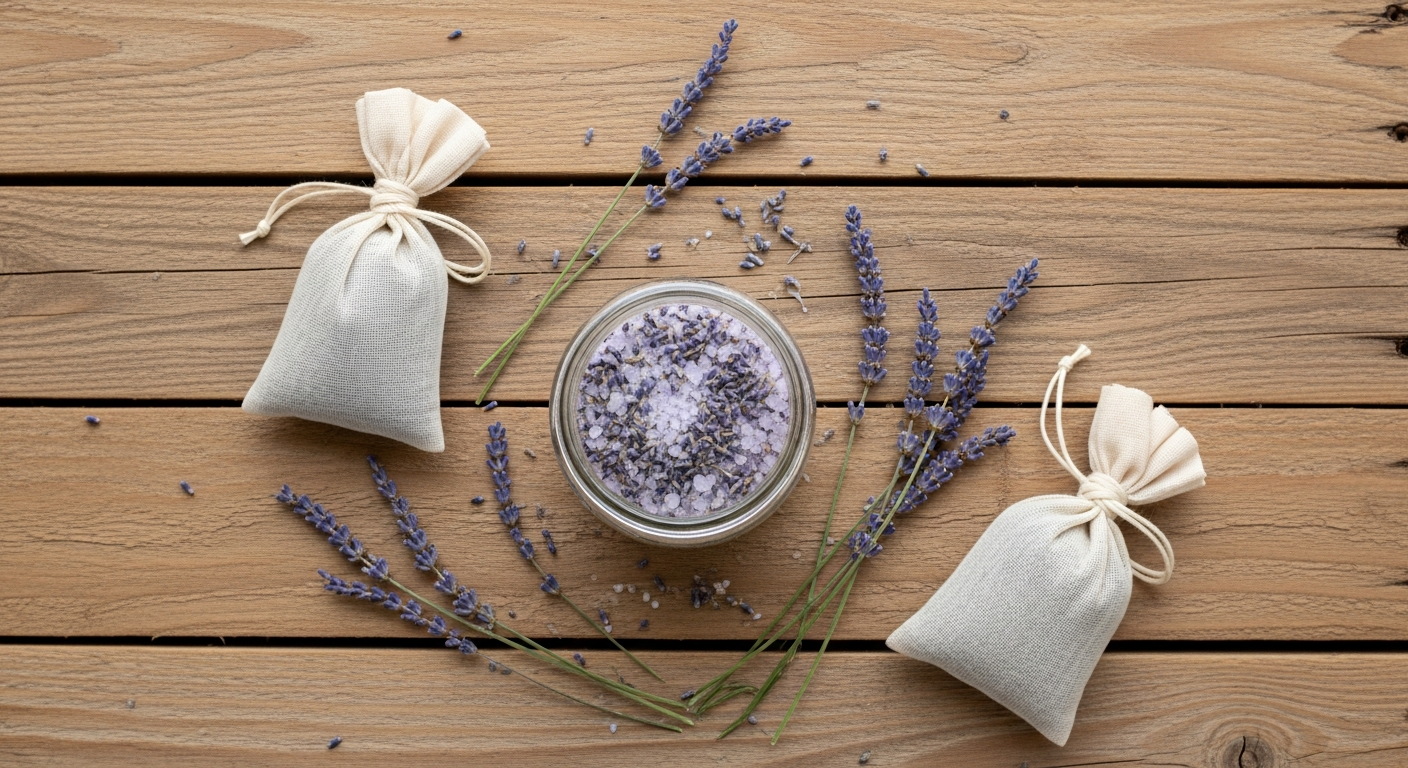
This is the section I wish existed when I first started using lavender. Most articles give you a list and then send you somewhere else for actual instructions. I'm going to give you complete how-tos for the three best beginner projects right here.
⭐ Lavender Sachets (5 Minutes)
This is genuinely the easiest thing you can make, and it's one of the most useful. You only need two things.
What you need:
- Small muslin bags (drawstring style)
- 2-3 tablespoons dried lavender per bag
- Optional: 1-2 drops lavender essential oil for extra scent boost
How to make them:
- Fill each muslin bag with 2-3 tablespoons of dried lavender.
- Pull the drawstring tight and tie it off.
- That's it.
Where to use them: Dresser drawers (keeps clothes smelling fresh and deters moths), closet shelves, under your pillow, in your car's glove box, or in your gym bag. I have them in every dresser drawer.
Tip: When the scent starts to fade, squeeze the bag a few times to release more oils from the lavender buds. If they go completely flat after 6-12 months, just refill with fresh lavender.
⭐ Lavender Bath Salts (10 Minutes)
These come together in about 10 minutes, cost almost nothing to make, and they work beautifully as gifts. I've given these to every teacher at the end of the school year.
What you need:
- 1 cup Epsom salt
- 1/4 cup sea salt (or an extra 1/4 cup Epsom salt)
- 1/4 cup dried lavender flowers
- 10-15 drops lavender essential oil
How to make them:
- Combine Epsom salt and sea salt in a bowl and stir gently.
- Add the dried lavender flowers and mix.
- Add 10-15 drops of lavender essential oil and stir again.
- Transfer to a glass jar with a tight lid.
To use: Scoop 1/4 to 1/2 cup of salts into a small muslin bag or an old clean sock. Tie the top tightly and toss it in the tub as the water fills. The salt dissolves into the water; the bag catches the lavender bits so they don't clog your drain.
Shelf life: 6-9 months, or until the lavender color fades noticeably.
⭐⭐ Lavender Infused Oil (2-3 Hours or 4-6 Weeks)
I recommend making lavender infused oil before you try anything else on this list. It's the base ingredient for salve, body butter, lotion bars, and the honey sugar scrub — once you have a jar of it, at least three other projects become immediately possible. The oil itself is also useful on its own: massage it into sore muscles, use it as a scalp treatment, or dab it on bug bites.
What you need:
- 1/2 cup dried lavender flowers
- 1 cup carrier oil (sweet almond, sunflower, or olive oil all work)
- Clean glass jar with lid
Quick stovetop method (2-3 hours):
- Combine lavender and oil in the glass jar.
- Set the uncovered jar in a small saucepan filled with 2-3 inches of water.
- Heat on LOW — you want the oil warm, not simmering. Keep a close eye on the water level and add more if needed.
- After 2-3 hours, remove from heat and let cool completely.
- Strain through a fine mesh strainer or cheesecloth into a clean jar. Compost the lavender.
Slow cold-infusion method (4-6 weeks):
- Combine lavender and oil in the jar, seal with the lid.
- Tuck it in a cabinet or pantry at room temperature.
- Shake or turn the jar every few days when you remember.
- After 4-6 weeks, strain into a clean jar.
Storage: Label with the date and store in a cool, dark spot. Well-made lavender infused oil lasts 9-12 months. Toss it if it smells rancid.
More Lavender Projects (Once You're Hooked)
Once you've got a batch of lavender infused oil and you're feeling comfortable, here's what's next.
⭐⭐ Lavender Honey Sugar Scrub
Combine 1/2 cup granulated sugar, 1-2 tablespoons lavender infused oil, 1 teaspoon raw honey, and a few drops lavender essential oil. Stir until everything is incorporated. Use on feet, elbows, and knees. Because the honey is perishable, use this scrub within 3-4 weeks and store it in the refrigerator between uses.
⭐⭐⭐ Lavender Salve
Lavender salve is wonderful for bug bites, dry skin patches, headache temples, and general skin conditioning. The basic ratio is 4 oz lavender infused oil to 0.65 oz beeswax pastilles, plus 14-27 drops lavender essential oil. Melt the beeswax, stir in the oil, add the essential oil off heat, and pour into small tins or jars. I'll have a full step-by-step recipe for this posted soon.
⭐⭐⭐ Lavender Body Butter
This one is whipped and fluffy — more like a thick hand cream than a balm. Start with 7 oz of shea butter and 2.5 oz lavender infused oil. Melt the shea butter gently, let it cool until partially solidified, then whip with a hand mixer until fluffy. Add 30 drops lavender essential oil and a small pinch of arrowroot powder if you want to cut any greasiness. Store in a glass jar.
Lavender Vinegar (The Frugal Multipurpose Cleaner)
This one surprises people but I love it. Combine 2 cups white vinegar and 1/2 cup dried lavender in a jar. Seal and let steep for 3-4 weeks, then strain. Dilute with equal parts water in a spray bottle. Use it as a fabric softener added to the rinse cycle, a glass and surface cleaner, a flea spray for pets, or a final hair rinse after shampooing (it adds shine and balances scalp pH). The vinegar smell fades as it dries.
Lavender in the Kitchen
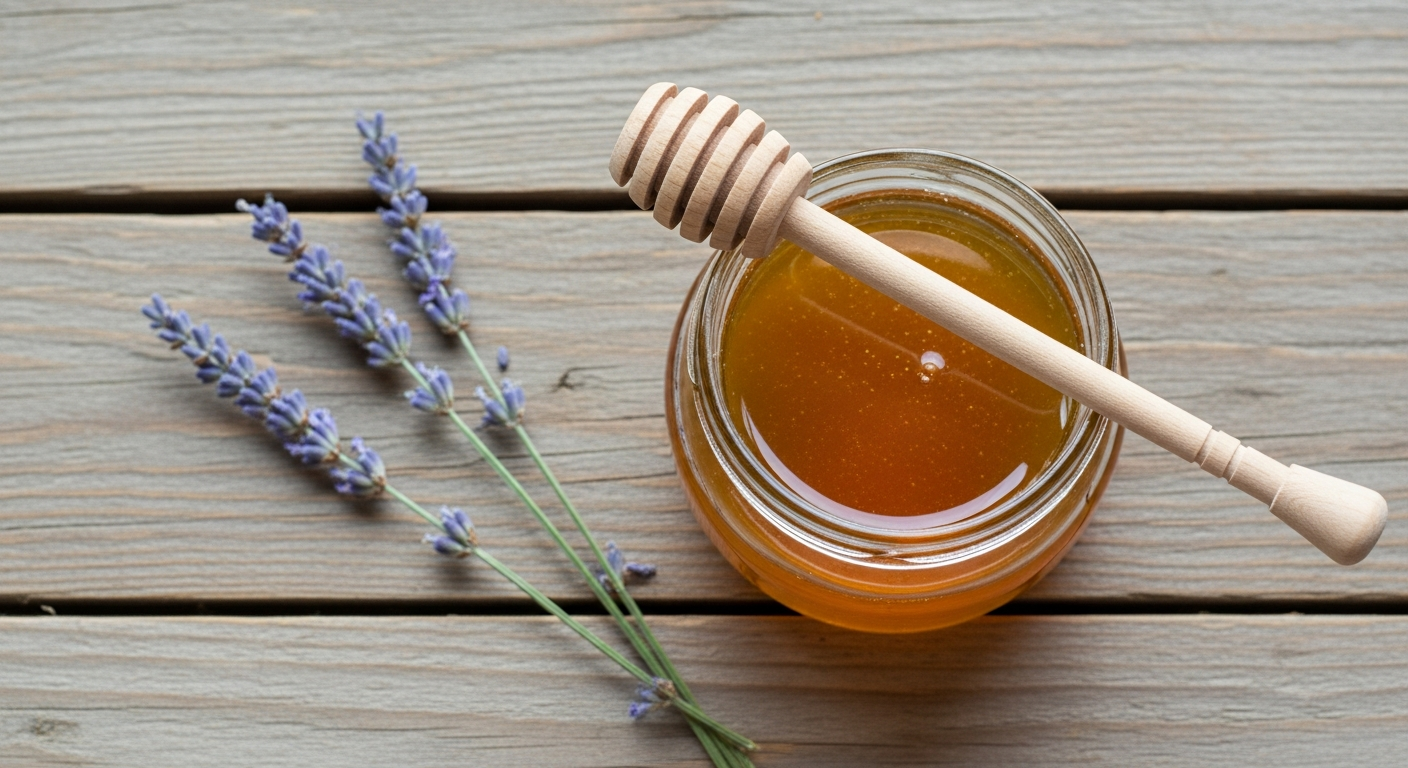
I didn't think I'd be a lavender-in-food person. Then I put lavender honey on a fresh biscuit and it changed my mind completely. The trick with culinary lavender is restraint — it's much more potent than you expect, and too much makes everything taste like soap. Start with less than you think you need.
Make sure you're using culinary-grade dried lavender for anything you eat or drink.
Lavender Honey
Warm 1/2 cup of raw honey in a small saucepan over the lowest heat possible — you're warming it, not cooking it. Add 1 tablespoon dried culinary lavender. Remove from heat and let steep for 20 minutes. Strain into a clean jar and discard the lavender.
Use it drizzled on toast, stirred into tea, spread on biscuits, or added to a charcuterie board next to fresh cheese and fruit. It keeps at room temperature for months.
Lavender Simple Syrup
Bring 1 cup water and 1 cup sugar to a gentle simmer, stirring until the sugar dissolves. Remove from heat, add 2 tablespoons dried culinary lavender, and steep for 15-20 minutes. Strain and refrigerate in a sealed jar for up to 2 weeks.
The best use is lavender lemonade: mix 2 tablespoons lavender syrup with 1/4 cup fresh lemon juice and top with sparkling water. It's a summer staple at my house. The syrup also works stirred into iced tea, drizzled over pancakes, or used as a mixer in cocktails.
Lavender Sugar
Combine 1/2 cup granulated sugar and 1 tablespoon dried culinary lavender in a food processor. Pulse about 10-15 times until the lavender is incorporated into the sugar but not pulverized to dust. Sift through a fine mesh strainer to remove any larger stems or buds. Store in an airtight jar for up to 6 months.
Use it to make lavender shortbread, sprinkle over scones before baking, stir into whipped cream, or use as a pretty rim sugar on cocktail or lemonade glasses.
Lavender for Sleep and Stress (Simple Wellness Routines)
Now that you know lavender genuinely does something for stress and cortisol, here are the easiest ways to actually put that to work.
Lavender Pillow Spray
This is my favorite entry point for aromatherapy because it takes about two minutes to make. Fill a 2 oz spray bottle with 1 oz distilled water and 1 oz witch hazel. Add 15-20 drops lavender essential oil. Shake before each use. Mist your pillow 10-15 minutes before bed so the alcohol in the witch hazel evaporates and you're left with just the lavender scent.
Lavender Diffuser Blends
A good diffuser running in the bedroom makes a real difference for sleep — it's one of the more impactful small changes I've made. Here are three blends that actually work:
- Sleep blend: 3 drops lavender + 2 drops cedarwood
- Focus blend: 3 drops lavender + 2 drops lemon
- Stress relief blend: 3 drops lavender + 2 drops bergamot
Lavender Tea
Add 1 teaspoon of dried lavender buds to a mug and pour boiling water over them. Steep 5-7 minutes and strain. Add honey to taste. The flavor is mildly floral — pleasant, but understated. If you want more depth, blend it with chamomile (equal parts) or a few lemon balm leaves. This is what I make when I need to wind down after a stressful evening and don't want to reach for anything else.
FAQ
Can lavender lower cortisol? Research does support this. The compounds in lavender — linalool and linalyl acetate — interact with GABA receptors in the brain, the same pathway anti-anxiety medications use. Multiple clinical studies on aromatherapy have found that inhaled lavender can lower salivary cortisol in adults under stress. It's not a replacement for treatment if you're dealing with clinical anxiety, but it's a real, evidence-backed tool for everyday stress management.
Does lavender oil help burns? Yes, when diluted properly. Lavender essential oil has documented anti-inflammatory and antimicrobial properties that help soothe minor burns, sunburn, and bug bites. Always dilute it first: 2-3 drops in a tablespoon of aloe vera gel or a carrier oil like coconut or sweet almond oil. Never put undiluted essential oil directly on burned or broken skin — it can cause more irritation. For anything more serious than a minor burn, skip the home remedy and see a doctor.
Does lavender help with bloating? Lavender tea is a traditional folk remedy for digestive complaints, but the honest answer is that the evidence is limited compared to something like ginger or peppermint. Where it may actually help is with stress-related digestive tension — if your stomach gets tight when you're anxious, lavender's calming effect could genuinely ease that. Steep 1 teaspoon of dried lavender in boiling water for 7-10 minutes and see how you feel.
Does lavender help with seizures? There's some preliminary research in this area, and there is an FDA-approved oral lavender supplement (Silexan) used for generalized anxiety disorder. But aromatherapy is not a seizure treatment, and lavender shouldn't be used as one. Anyone managing a seizure disorder needs to work with a neurologist — not a homestead blog.
What's the difference between lavender infused oil and lavender essential oil? Lavender infused oil is made by steeping dried lavender in a carrier oil (olive, almond, sunflower) for days or weeks. It's mild, moisturizing, and safe to use directly on skin in generous amounts. Lavender essential oil is steam-distilled from huge quantities of lavender flowers — it's highly concentrated and must always be diluted before skin contact (2-3% dilution). Infused oil is the better starting point for beginners and is what you'd use in salves, body butter, and scrubs. Essential oil is what you use in a diffuser or pillow spray.
Is culinary lavender safe to eat? Yes, if it's English lavender (Lavandula angustifolia) from a food-safe source. The key is sourcing — use culinary-grade dried lavender, not decorative bundles from a craft store (which may have dyes or chemical treatments). Start with small amounts in cooking; lavender is much more potent than most herbs and too much quickly becomes overwhelming.