How to Make Lemon Balm Mosquito Repellent (DIY Spray + Quick Field Method)
Last updated March 2026
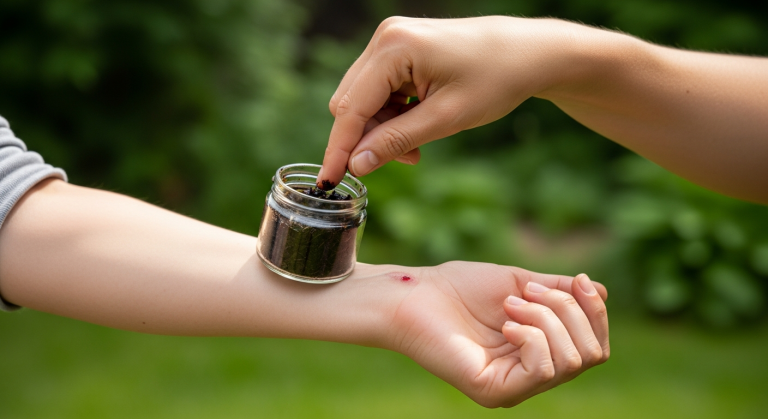
Quick Answer: If you have fresh lemon balm growing right now and need a mosquito repellent today, here's what to do: pinch off a handful of leaves, crush them between your palms until they feel slightly damp and fragrant, and rub them on your exposed skin. Reapply every 30–60 minutes. That's it — it really does work. Want a longer-lasting spray? The recipe below takes about 15 minutes of hands-on time and a 1–2 week wait.
Does Lemon Balm Really Keep Mosquitoes Away? (Here's the Science)
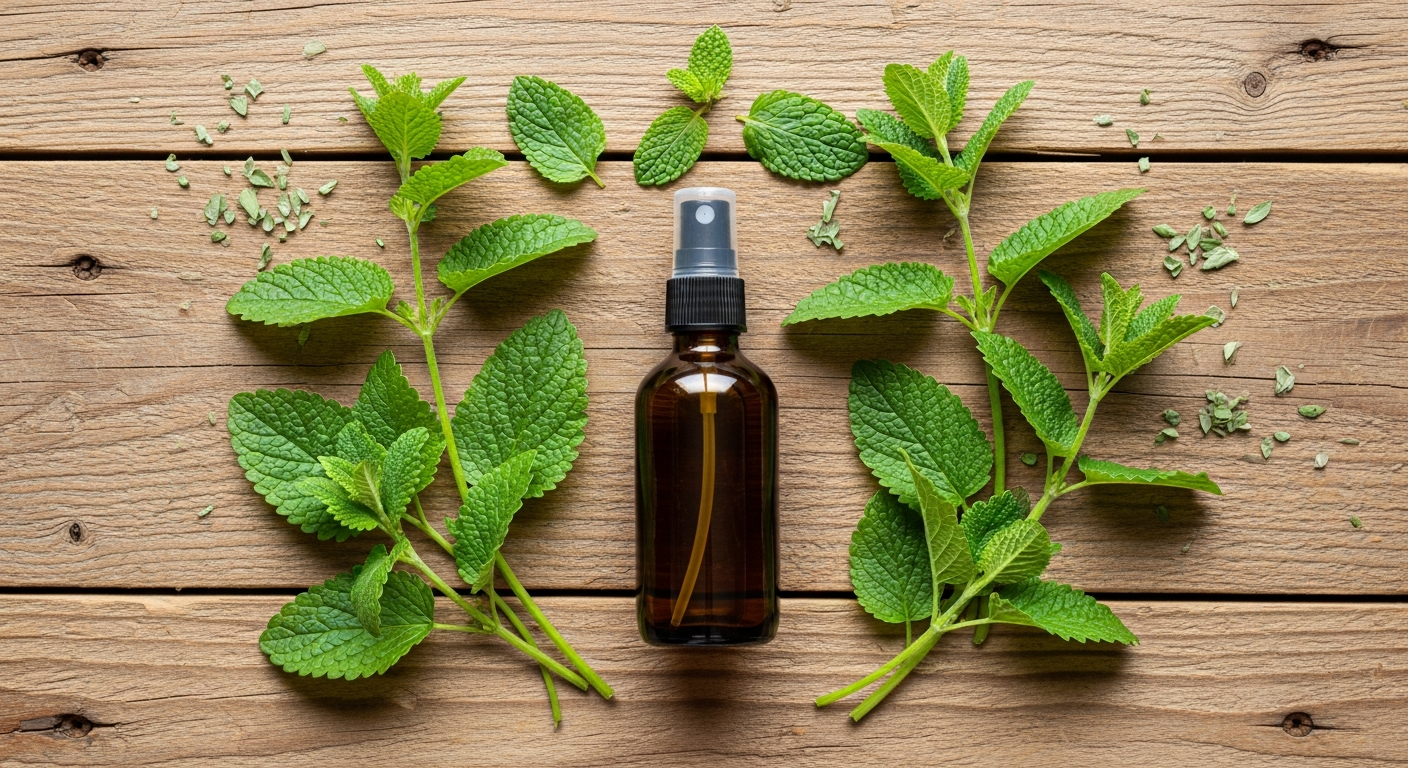
Yes — lemon balm does repel mosquitoes, and there's a real reason why. Lemon balm (Melissa officinalis) contains citronellal, a compound that mimics citronella oil — the same thing that makes citronella candles and commercial repellent sprays work. According to Arthur Tucker, an ethnobotanist at Delaware State University, some varieties of lemon balm are nearly 38% citronellal. That's not trace amounts. That's a meaningful concentration.
What that means practically: crush lemon balm leaves and you're releasing citronellal directly onto your skin. The smell mosquitoes hate. It's genuinely effective — but not in the same way DEET is effective. It's not going to protect you like DEET on a mosquito-heavy camping trip. But for evenings on the porch, time in the garden, or a backyard cookout, it works well and smells wonderful. That's a fair trade when the alternative is spraying synthetic chemicals on your kids' skin.
No Spray Ready? Use Fresh Leaves Right Now
You don't need to make anything to get started. If lemon balm is growing in your yard or in a pot on your porch, you can use it as a repellent right now.
Here's how:
- Pinch off a generous handful of fresh lemon balm leaves — enough to fill your palm.
- Crush the leaves between both hands until they feel slightly damp and you can smell that citrus-herb scent.
- Rub the crushed leaves on your exposed skin — arms, legs, and the back of your neck are the most important spots.
- Reapply every 30–60 minutes, or whenever you notice mosquitoes getting too interested in you.
This is a centuries-old method. No recipe, no wait time, completely free if you grow your own. It's what I do when I head out to the garden without thinking ahead. The spray version below is better for extended outdoor time, but this works in a pinch.
Lemon Balm Bug Spray Recipe
This recipe is based on the multi-herb witch hazel infusion method — tested and recommended by the Nerdy Farm Wife, who's tried a lot of homemade bug spray formulas and landed on this one. It works for 1–2 hours per application, which is realistic and honest. Make a batch at the start of summer and you're set.
What You'll Need
Equipment:
- Small glass jar, at least 1 pint (a Mason jar works perfectly)
- Glass spray bottle, 2–4 oz size
- Fine mesh strainer or a piece of cheesecloth
Ingredients:
- 1 cup fresh lemon balm leaves, loosely packed
- Optional but recommended: a handful each of fresh catnip, basil, or mint
- Witch hazel extract, enough to fill your jar — the plain, unscented kind
- Water
- Optional essential oils: 2 drops citronella, 1 drop lemongrass, 1 drop basil EO
I use Ball wide-mouth Mason jars for the infusing step — you probably already have one on your shelf. For the spray bottle, small glass spray bottles are the right size for this and easy to toss in your bag. For witch hazel, I buy the larger bottles on Amazon rather than drugstore-size because I use it for a dozen things — it's cheaper per ounce and I always have it on hand.
A note on catnip: If you grow catnip (Nepeta cataria), add a generous handful to this recipe. Research from Iowa State University found catnip may be as effective as DEET at close range for repelling mosquitoes. It grows easily, spreads readily, and adds real power to this spray. Don't skip it if you have it.
Instructions
- Pack your glass jar firmly with fresh lemon balm leaves. If using catnip, basil, or mint, mix them in with the lemon balm — fill the jar.
- Pour witch hazel over the packed herbs until everything is covered and the jar is nearly full.
- Seal the jar and store it in a cool, dark cupboard for 1–2 weeks. The longer it infuses, the stronger the extraction.
- After 1–2 weeks, strain the liquid through cheesecloth or a fine mesh strainer into a clean container. Squeeze the herbs to extract all the liquid. Compost the spent herbs.
- Fill your glass spray bottle halfway with the infused witch hazel.
- Fill the remaining space with water, leaving a small gap at the top.
- Add optional essential oils and screw on the spritzer top. Shake well.
- Label the bottle with the date. Shake before every use.
Simple version: Don't have catnip or basil? Make it with just lemon balm. The multi-herb version is more effective, but plain lemon balm spray still works — especially if you have an abundance of it.

How Long It Works (and How to Store It)
On your skin: Expect 1–2 hours of protection per application. That's per Nerdy Farm Wife's testing, and it matches what I experience too. Body chemistry plays a role — some people find it lasts closer to an hour; some get two hours easily. Reapply as needed.
Storing the mixed spray: Once you've mixed the witch hazel infusion with water in the spray bottle, keep it in the refrigerator. Use it within 1 week.
Storing the infused witch hazel: The undiluted infused witch hazel will last up to 6 months at room temperature, away from direct light. The smart move is to make a large batch of infused witch hazel at the start of summer, then mix small spray bottles as you need them throughout the season.
Why Witch Hazel?
Witch hazel is the base for this kind of herbal spray because it's a natural solvent — it draws out the essential oils and active compounds from the herbs far more effectively than plain water. Unlike oil-based extractions, witch hazel mixes with water without separating. It's also gentle on skin with mild soothing properties of its own. You can find it in any drugstore or pharmacy section; get the plain, unscented version for this recipe.
Safety Notes
- Patch test first. Apply a small amount to the inside of your wrist and wait a few hours before using on children or anyone with sensitive skin.
- Not for pets. Lemon balm and most of the essential oils used here — especially citronella and lemongrass — are toxic to cats and dogs. Keep the spray away from animals.
- Avoid eyes and mouth. Spray on skin, then rub in. Don't spray directly at your face.
- Pregnancy and nursing. If you're pregnant or breastfeeding, skip the essential oils or check with your midwife or doctor before using.
- Tick-heavy areas. This spray won't protect you from ticks or Lyme disease. Use appropriate tick prevention if you're in high-risk areas — lemon balm spray is not a replacement for that.
Grow Your Own Mosquito Repellent in a Pot or Garden Bed
If you don't already have lemon balm growing, it's worth planting. This is one of those herbs that earns its garden space ten times over — tea, cooking, calming tinctures, and now, apparently, your summer mosquito protection.
Lemon balm is a perennial in USDA zones 4–9 and grows back every year without any fuss. It spreads readily — like mint — so I'd recommend growing it in a pot if you don't want it taking over your herb bed. One established plant will produce more leaves than you can use in a summer, which makes the bug spray essentially free once you have it growing. Harvest leaves before the plant flowers for the highest essential oil content — that's when citronellal concentration is at its peak.
I started mine from seed a few years ago and now have more lemon balm than I know what to do with, which is a wonderful problem to have.
Frequently Asked Questions
Does lemon balm really repel mosquitoes? Yes. Lemon balm contains citronellal, a compound that mimics citronella oil and is effective at repelling mosquitoes and gnats. Some varieties are up to 38% citronellal — a meaningful concentration that makes the herb genuinely useful as a natural repellent.
How long does lemon balm bug spray last on skin? Expect about 1–2 hours of protection per application. Body chemistry and bug pressure both affect this. Reapply as needed — the spray is gentle enough for frequent use throughout the day.
Is homemade lemon balm bug spray safe for kids? Generally yes, but do a patch test on a small area of skin first. For very young children, skip the essential oil boosters and use the plain witch hazel infusion version — it's gentler while still providing some protection.
Can I use dried lemon balm instead of fresh? You can, but fresh is significantly more effective. The citronellal content is highest in fresh leaves. If using dried lemon balm, use about twice the volume and expect a milder result.
What essential oils make lemon balm bug spray stronger? Citronella and lemongrass are the most effective additions and are specifically studied for mosquito repellency. Basil essential oil also helps, as do lavender and eucalyptus. Start with 2–3 drops total in a small spray bottle.
Is lemon balm bug spray safe for pets? No. Do not apply this spray to cats or dogs. Lemon balm and most of the essential oils used here are harmful to pets. Keep the spray stored where animals can't get to it.