Can You Eat Sunflower Petals? Yes — Plus 6 Ways to Use Them
Last updated March 14, 2026
Yes, you can eat sunflower petals — they're completely edible and safe for most people when they come from untreated plants. If you've been growing sunflowers in your backyard garden and watching those beautiful yellow petals drop to the ground every summer, there's no reason to let them go to waste.
Most people know that sunflower seeds are edible, but the whole plant has more to offer than just seeds. The buds, young leaves, and petals are all edible too. Today we're focusing on the petals — the most accessible part for anyone who already has bloomed sunflowers on hand.
Quick Snapshot
- Yes, they're edible — safe from untreated, spray-free sunflowers
- Taste: mildly bitter and earthy, with a faint sunflower seed flavor — similar to arugula but gentler
- Best uses: salads, petal tea, soup garnish, jelly, infused oil, frozen ice cubes
- Safety rule: florist and grocery store sunflowers are almost always sprayed with pesticides — not food-safe. Only use petals you grew yourself or can confirm are spray-free.
- Storage: fresh petals keep 1–2 days refrigerated; dried petals last up to a year in a sealed jar
What Do Sunflower Petals Taste Like?
Raw sunflower petals have a mildly bitter, earthy flavor with a faint undertone of sunflower seed. I'd describe them as arugula's gentler cousin — there's enough flavor to notice, but not so much that it takes over a dish. The bitterness is reminiscent of dandelion but softer, which makes them easy to work with in salads and other mild preparations.
Dried petals taste slightly more concentrated. The bitterness mellows a bit as they dry, which actually makes them more pleasant for tea or herbal blends. If you're planning to use them in tea, drying is the way to go. For fresh uses like salads and garnishes, pick them at full bloom and use them the same day. Flavor-wise, they pair well with honey, lemon, chamomile, mint, and mild salad greens — anything that complements or gently balances their bitterness.
Are Florist or Store-Bought Sunflower Petals Safe to Eat?
This is the question I wish more articles answered clearly: No — florist and grocery store sunflowers are almost certainly not safe to eat. Cut flowers sold at grocery stores, florists, and big-box retailers are typically treated with pesticides, fungicides, and preservatives during growing and shipping. These treatments are designed for vases, not salad bowls.
The good news is that all Helianthus annuus varieties — the common sunflower — are edible by nature. There's nothing inherently toxic about any standard sunflower variety you'd encounter. The question is never the variety; it's whether the plant has been chemically treated.
Safe sources include sunflowers you grew yourself without spraying, farmers market sunflowers from a vendor who can confirm they're spray-free, or community-supported agriculture (CSA) flowers from an organic operation. If you grew them in your own backyard without any pesticide application, you're good to go.
The simple rule: if you didn't grow it yourself or can't confirm it's spray-free, use it as a vase flower only.
How to Harvest Sunflower Petals
Harvesting petals is easier than it sounds. Here's what I do:
- Harvest at full bloom — wait until the flower is fully open, but pick before petals start drooping or browning at the tips. That window is usually 3–5 days after the flower opens fully.
- Pick individually or remove the whole head — if you want to leave the flower on the plant, just pull petals one by one from the base. If you're harvesting the whole head, cut it off and work from there.
- Rinse under cool running water — this removes dirt, pollen, and any insects hiding in the petals.
- Spin or pat dry — a salad spinner works great; a clean kitchen towel works just as well.
- Use fresh or dry — fresh petals are best used the same day. Anything you don't use right away can go straight into the drying process.
How to Dry and Store Sunflower Petals
Fresh storage: Refrigerate fresh petals in a sealed container or small glass of water. They'll keep for 1–2 days before wilting. Don't wash them until you're ready to use them — moisture speeds up deterioration in the fridge.
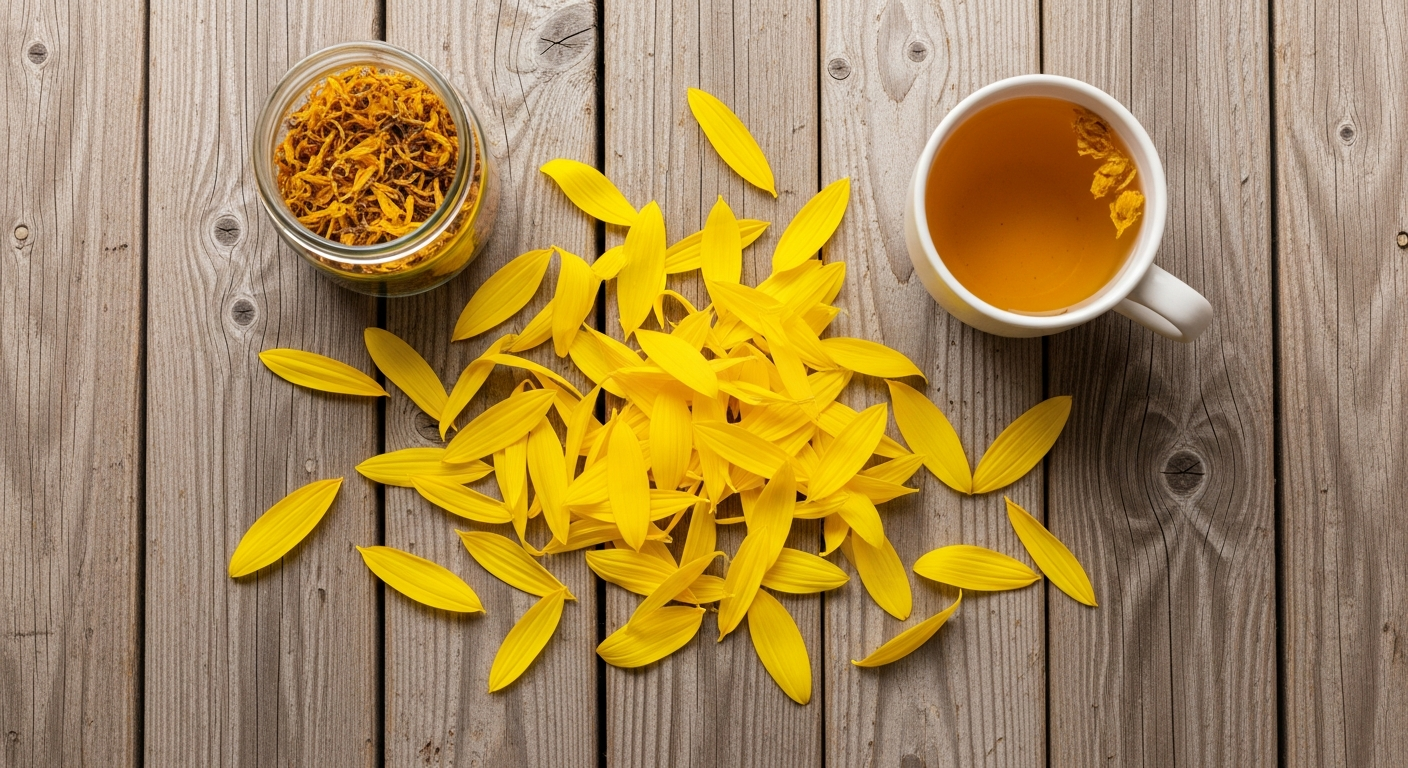
Drying: Lay clean, dry petals in a single layer on a clean kitchen towel or a drying rack. Put them somewhere warm with good airflow — out of direct sunlight, which can bleach the color. They'll be fully dry in 2–3 days. You'll know they're ready when they feel papery and crumble slightly when pressed. Store dried petals in a sealed mason jar away from light and heat. They keep for up to a year this way.
A clean kitchen towel on the counter works perfectly — no special equipment required.
6 Ways to Use Sunflower Petals
Toss Them in a Salad
The easiest starting point: scatter a handful of fresh petals over your favorite green salad. They add a pop of color and a mild bitterness that works like arugula. I love them with goat cheese, toasted sunflower seeds, thinly sliced cucumber, and a honey-lemon vinaigrette — the honey balances the bitterness and the whole thing feels like summer in a bowl.
Brew Sunflower Petal Tea
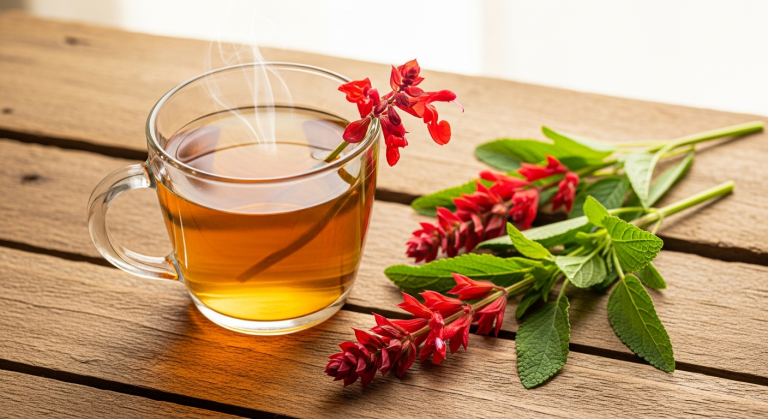
Steep 1 tablespoon of dried petals in 8 oz of hot water for 10 minutes, then strain. On their own, the petals produce a mild, slightly earthy tea with a delicate golden color. The flavor is subtle — more pleasant than strong. For a better-tasting cup, blend them with dried chamomile or mint, both of which complement the petals beautifully. This is a nice way to use up a jar of dried petals all winter long.
Use as a Soup or Egg Garnish
A small handful of fresh petals scattered over a bowl of butternut squash soup or a plate of scrambled eggs adds visual interest and a gentle flavor note without any extra effort. It takes about five seconds. This is the zero-effort use — if you have petals on hand and you're cooking anyway, just add them.
Make Sunflower Petal Jelly
This is my favorite use and the one most people haven't tried. The process is similar to dandelion jelly — you steep the petals to make a flower infusion, then use that infusion as the liquid base for the jelly.
Here's the basic method:
- Steep 2 cups of fresh petals in 4 cups of boiling water for 1 hour. Cover the pot so the steam stays in.
- Strain out the petals. You'll have a mild golden liquid — that's your jelly base.
- Follow a basic jelly recipe using the petal infusion as your liquid, with lemon juice and pectin. Process in a water bath canner as usual.
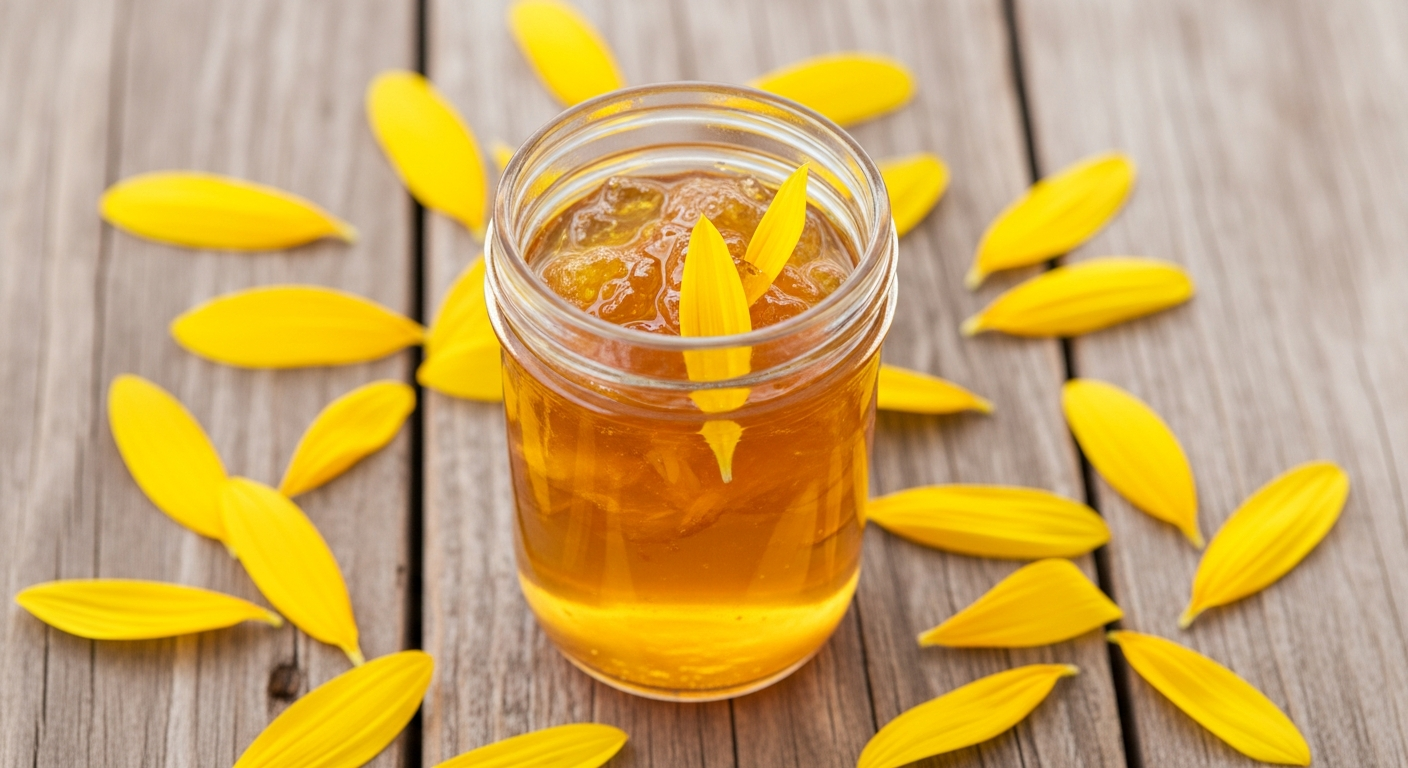
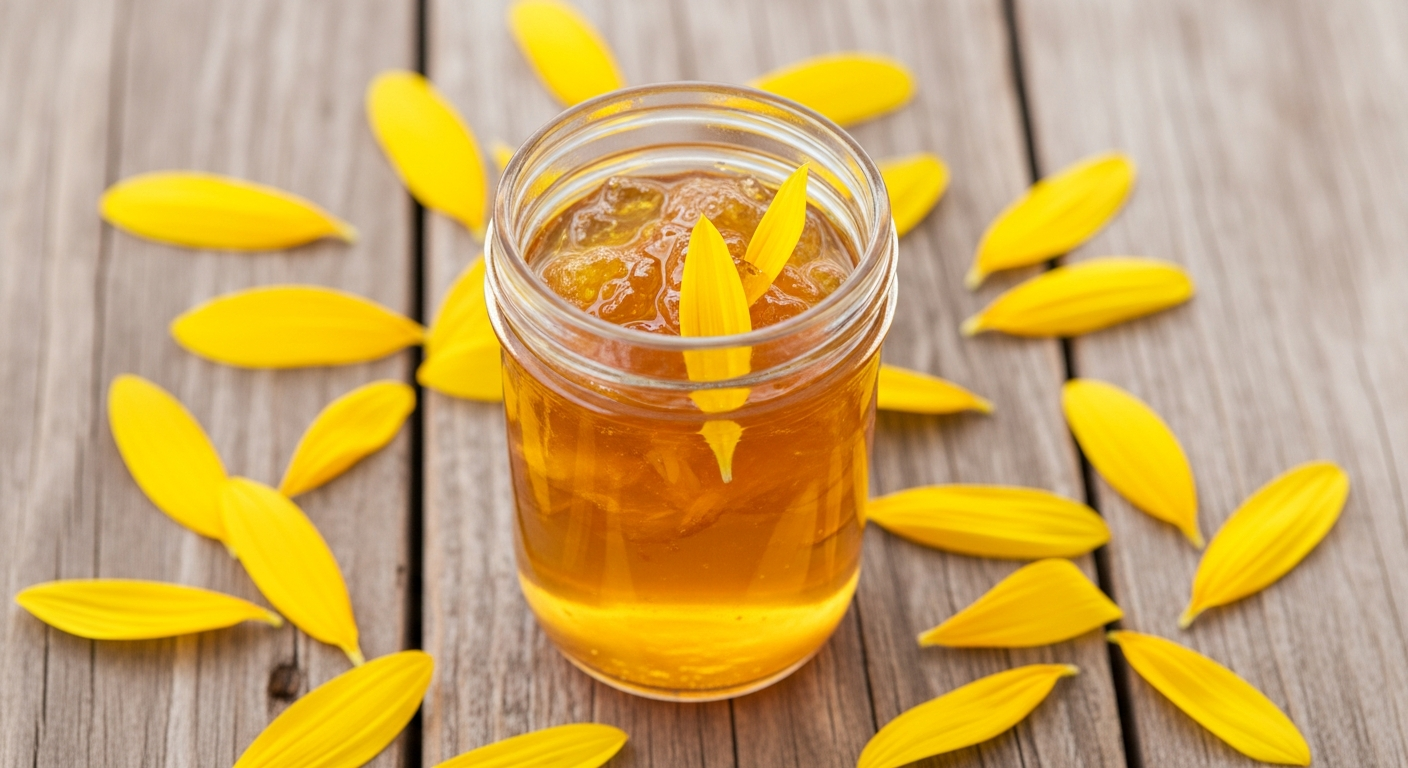
The result is a light, golden jelly with a delicate floral flavor and mild sweetness. It's beautiful on toast, with soft cheese, or wrapped up as a homemade gift. Mason jars make this easy to store and gift.
Make a Sunflower-Infused Oil
Pack dried petals into a small glass jar — don't pack too tightly — and cover completely with olive oil or sweet almond oil. Seal the jar and set it in a warm spot (a sunny windowsill works) for 4–6 weeks. Strain out the petals through a fine mesh or cheesecloth. Use the infused oil directly on skin, or use it as the base for a simple salve or lip balm.
Sunflower petals have anti-inflammatory properties that have been studied for skincare, which makes this a worthwhile DIY project. The oil keeps for several months in a dark cabinet.
Freeze Them in Ice Cubes
Place a fresh petal or two in each section of an ice cube tray, fill with water, and freeze. Drop the cubes into lemonade, iced tea, or sparkling water for a simple summer visual upgrade. It takes two minutes, kids think it's the coolest thing, and it makes any pitcher of lemonade look intentional.
Are Sunflower Petals Good for You?
Sunflower petals contain polyphenols and antioxidants that have been studied for anti-inflammatory and antimicrobial properties. Research published in peer-reviewed journals supports the idea that sunflower petal extracts have genuine biological activity — not just as a pretty garnish.
Traditionally, Native Americans used sunflower preparations for respiratory ailments and as a poultice for burns and skin irritation. That history of use suggests these petals have been valued medicinally for a long time, well before modern research confirmed the underlying chemistry. That said, eating petals in a salad is not a substitute for medical care, and the research on eating whole petals (vs. concentrated extracts) is limited. The honest framing is this: they're a nutritious bonus from a plant you're probably already growing, and that's reason enough to use them.
Can You Eat Sunflower Leaves?
Yes — with some caveats. Young, tender sunflower leaves (from plants that are still small, before the flower forms) are edible raw or briefly cooked. They have a mild flavor similar to other tender greens. Once the plant matures and the leaves get large and fibrous, they become too tough and intensely flavored to enjoy raw. Mature leaves can be blanched briefly and used like spinach in cooked applications, but they're not particularly delicious.
Most people who eat from sunflower plants focus on the seeds, buds, or petals. The leaves are technically edible, but the petals are a much more rewarding place to start.
FAQ
Can humans eat sunflower petals? Yes — sunflower petals are edible and safe for most people. They have a mildly bitter, earthy flavor and can be used in salads, teas, jellies, and as garnishes. The key is to use only petals from untreated, spray-free plants — florist or grocery store sunflowers are not food-safe.
Are florist sunflowers safe to eat? No. Florist and grocery store sunflowers are almost always treated with pesticides and preservatives that make them unsafe to eat. Only use petals from sunflowers you've grown yourself without spraying, or from a confirmed spray-free source like an organic farmers market vendor.
What do sunflower petals taste like? Mildly bitter and earthy, with a faint sunflower seed flavor underneath. They're similar to arugula in terms of bitterness — noticeable but not overwhelming. Dried petals are slightly more concentrated in flavor. They pair well with honey, lemon, chamomile, and mild salad greens.
Can you eat sunflower petals raw? Yes — raw is the most common way. Just rinse the petals, pull them off the flower head, and add them directly to salads or use as a garnish. No cooking or preparation required.
Can you make tea from sunflower petals? Yes. Steep 1 tablespoon of dried sunflower petals in 8 oz of hot water for 10 minutes, then strain. The flavor is mild on its own — blending with chamomile or mint gives you a more flavorful cup. The petal infusion also makes an excellent liquid base for sunflower petal jelly.