Natural Wax Melts: The Beginner's Guide to Non-Toxic Home Scents (+ Easy DIY Recipe)
Last updated March 10, 2026
 dried lavender sprigs”>
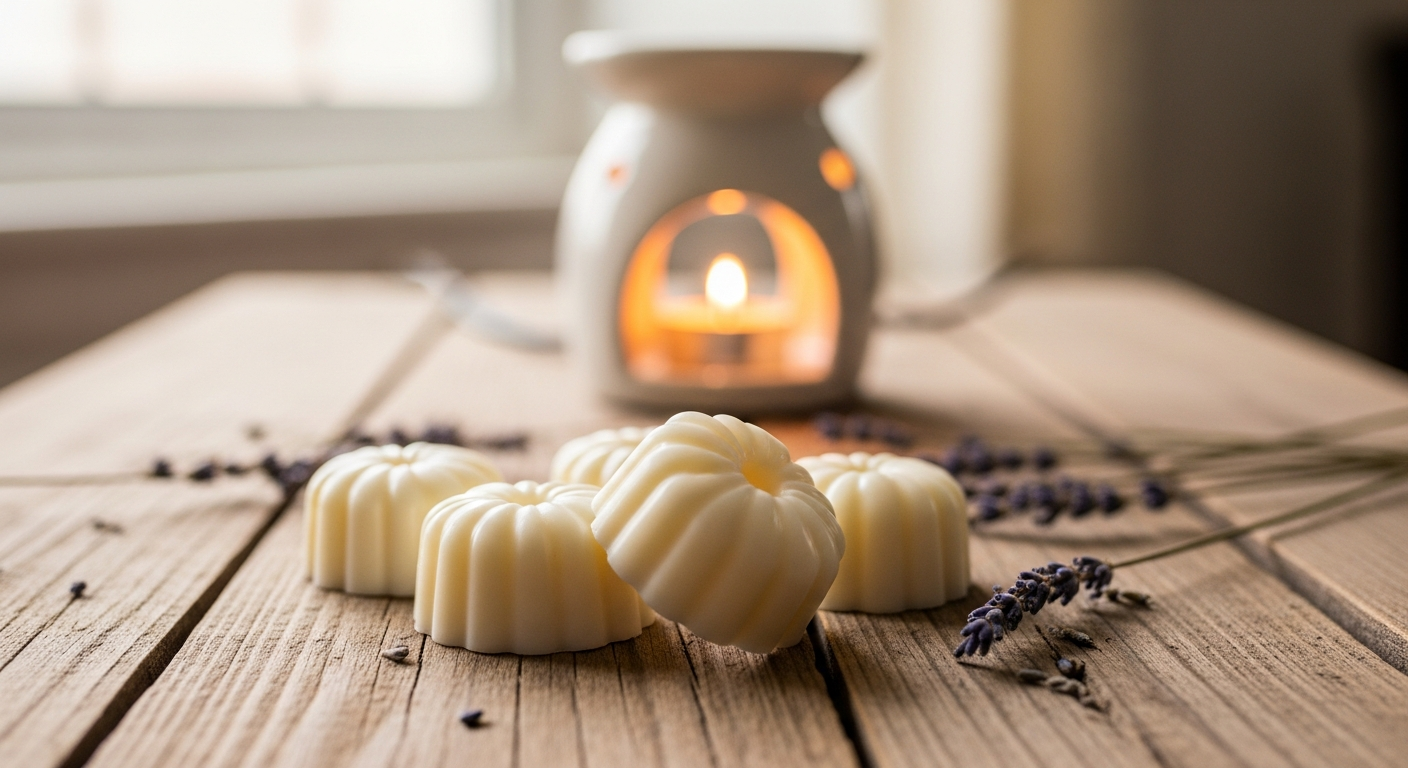
Most wax melts at the store are made from paraffin — a petroleum byproduct — and scented with synthetic fragrance oils that can release VOCs (volatile organic compounds) when heated. Natural wax melts swap all of that for plant- or bee-derived waxes and pure essential oils. In this guide, I'll explain which wax types are best, cover safety for kids and pets, walk you through a beginner DIY recipe you can make in under 30 minutes, share my favorite essential oil scent combinations, and recommend the best brands if you'd rather just buy.
What Makes Wax Melts "Natural" — And What's in Regular Ones
Standard wax melts are almost always made from paraffin wax, which is derived from petroleum — the same source as gasoline. That's not inherently a problem in small amounts, but paraffin releases small amounts of benzene and toluene when burned, and most commercial wax melts add synthetic fragrance oils on top of that. Fragrance oils often contain phthalates, a class of synthetic chemicals used to help scents stick — and they're the part people on a natural living path tend to be most concerned about.
Natural wax alternatives sidestep all of this. Soy wax is made from hydrogenated soybean oil, a renewable agricultural byproduct. Beeswax is 100% natural and has been used for centuries — it's the most "whole food" option of the three. Coconut wax comes from hydrogenated coconut oil and has an exceptionally clean burn. Pair any of these with pure essential oils instead of synthetic fragrance oils, and you've got a genuinely cleaner product.

Soy, Beeswax, or Coconut — Which Natural Wax Is Best?
All three work well for wax melts, but they're not identical. Here's how they stack up for home use:
Wax Comparison Table
| Feature | Soy Wax | Beeswax | Coconut Wax |
|---|---|---|---|
| Cost (DIY per oz) | $ — cheapest | $$$ — most expensive | $$ — mid-range |
| Scent throw | Strong | Medium | Very strong |
| Melt performance | Good | Excellent, long-lasting | Good |
| Pet-safe? | ✅ Yes | ✅ Yes | ✅ Yes |
| Vegan? | ✅ Yes | ❌ No (bee byproduct) | ✅ Yes |
| Beginner-friendly | ✅✅ Very easy | ⚠️ Higher melt point | ✅ Easy |
| Best for | Most beginners | Premium/long-lasting | Strong scent throw, creamy texture |
Which Wax Should You Start With?
Start with soy. It's the cheapest, melts at a forgiving temperature, and is widely available — a 10 lb bag runs $20–25 on Amazon and will make you dozens of batches. If you want a longer-lasting melt or prefer something with no agricultural processing concerns, beeswax pellets are the upgrade — just note the higher melt point requires a bit more attention. Coconut wax gives you the strongest scent throw of the three and a beautiful creamy texture; it's worth trying once you've gotten comfortable with the process.
You can find soy wax flakes, beeswax pellets, and coconut wax flakes all on Amazon.
Are Natural Wax Melts Safe? (For Kids, Pets, and Everyone Else)
The short answer is yes — but the details matter, especially if you have cats or dogs in the house.
Safe for Kids?
Natural wax melts made with soy, beeswax, or coconut wax and scented with pure essential oils are generally safe for homes with children. The concern with conventional wax melts isn't the wax itself — it's the synthetic fragrance oils. If you're buying commercially, look for phthalate-free fragrance or 100% essential oil scenting. One practical note: wax warmers have a hot plate, so keep them out of reach of toddlers just as you would any countertop appliance.
Are Wax Melts Safe for Cats and Dogs?

This is the question I see asked everywhere and never answered well, so let me actually break it down.
The wax itself — soy, beeswax, coconut — is not toxic to cats or dogs. The real concern is fragrance, and it depends on what type you're using.
Synthetic fragrance oils are the biggest risk for pets. Many contain phenols and other compounds that are particularly hard on cats, who lack the liver enzymes to process them efficiently. If your wax melts are scented with generic "fragrance oil" and you have cats, switching is worth it.
Essential oils are more nuanced. Dogs are generally more tolerant of essential oils at low concentrations than cats. For cats specifically, avoid high concentrations of eucalyptus, tea tree, oregano, cinnamon, and clove — these contain compounds cats metabolize poorly. Lavender and citrus at low dilution are generally considered okay but should still be used sparingly in well-ventilated spaces.
The safest setup: natural wax + pure essential oils at the lower end of the concentration range (20 drops per cup rather than 40) + good ventilation + don't leave the warmer running in an enclosed room all day. That combination works fine in our house with cats.
How to Make Natural Wax Melts at Home (Easy Beginner Recipe)
This is the part I wish I'd found earlier — there are almost no written DIY wax melt guides online, just YouTube videos. Making your own is genuinely easy and costs a fraction of what you'd pay for store-bought. One batch takes about 30 minutes start to finish, including cooling time.
What You'll Need
Ingredients:
- 1 cup soy wax flakes (or beeswax pellets for a premium version)
- 20–30 drops pure essential oil(s)
Tools:
- Small heat-safe pouring pitcher or double boiler setup (a glass measuring cup over a saucepan works fine)
- Silicone wax melt mold — clamshell style is easiest
- Candy thermometer (optional but helpful the first few times)
You can find soy wax flakes and silicone clamshell molds on Amazon — both are inexpensive, and the mold is reusable indefinitely. A 10 lb bag of soy wax runs about $20–25 and will make you well over 50 batches at this quantity.

Step-by-Step Instructions
- Measure 1 cup of soy wax flakes into your heat-safe pitcher.
- Melt over low heat, stirring gently — target around 170°F. The wax will melt before it looks like it's bubbling; don't rush it.
- Remove from heat and let it cool down to about 150–155°F before adding your essential oils. Adding EOs to wax that's too hot burns off the fragrance — you'll end up with melts that smell faint or don't throw at all.
- Add 20–30 drops of essential oil and stir gently for about 30 seconds to incorporate evenly.
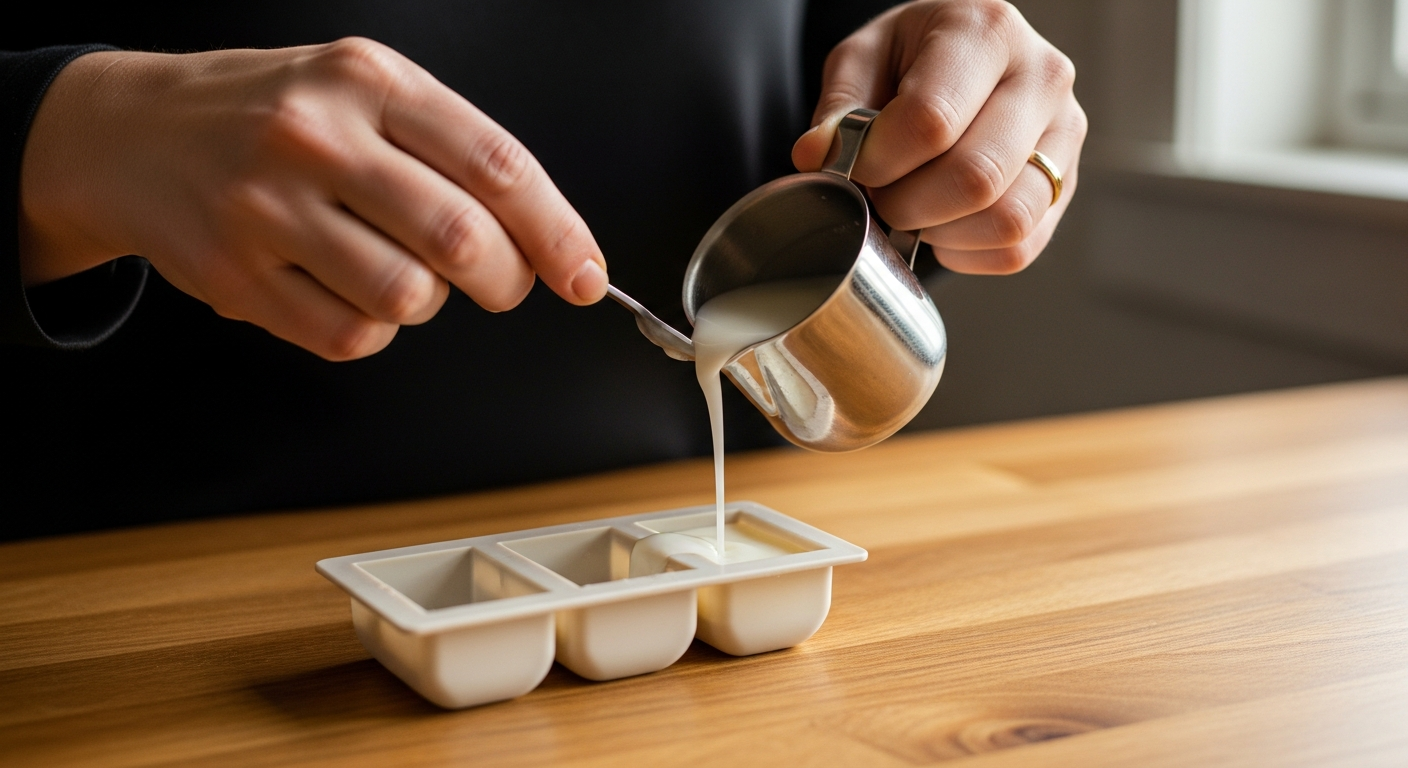
- Pour into your silicone mold — slow and steady to avoid air bubbles.
- Let cool at room temperature for at least 30 minutes. Don't put them in the fridge — rapid cooling can cause cracking or a chalky surface.
- Pop them out of the mold. They should release cleanly. Store in a sealed container away from heat and direct sunlight.
One cup of wax makes approximately 6–8 clamshell-sized melts, depending on your mold depth.
5 Essential Oil Scent Combinations to Try
These are the blends I actually use — tested and adjusted until they smelled right in the warmer, not just in the bottle.
- Lavender + Cedarwood — 15 drops lavender + 10 drops cedarwood. Best for: bedrooms, winding down at night.
- Sweet Orange + Clove Bud — 20 drops sweet orange + 5 drops clove. Best for: cozy fall evenings in the living room.
- Eucalyptus + Peppermint — 15 drops eucalyptus + 10 drops peppermint. Best for: bathroom or home office. (Skip this one if you have cats.)
- Rosemary + Lemon — 15 drops rosemary + 10 drops lemon. Best for: kitchen, morning energy boost.
- Frankincense + Wild Orange — 15 drops frankincense + 10 drops wild orange. Best for: a grounding, meditative winter scent.
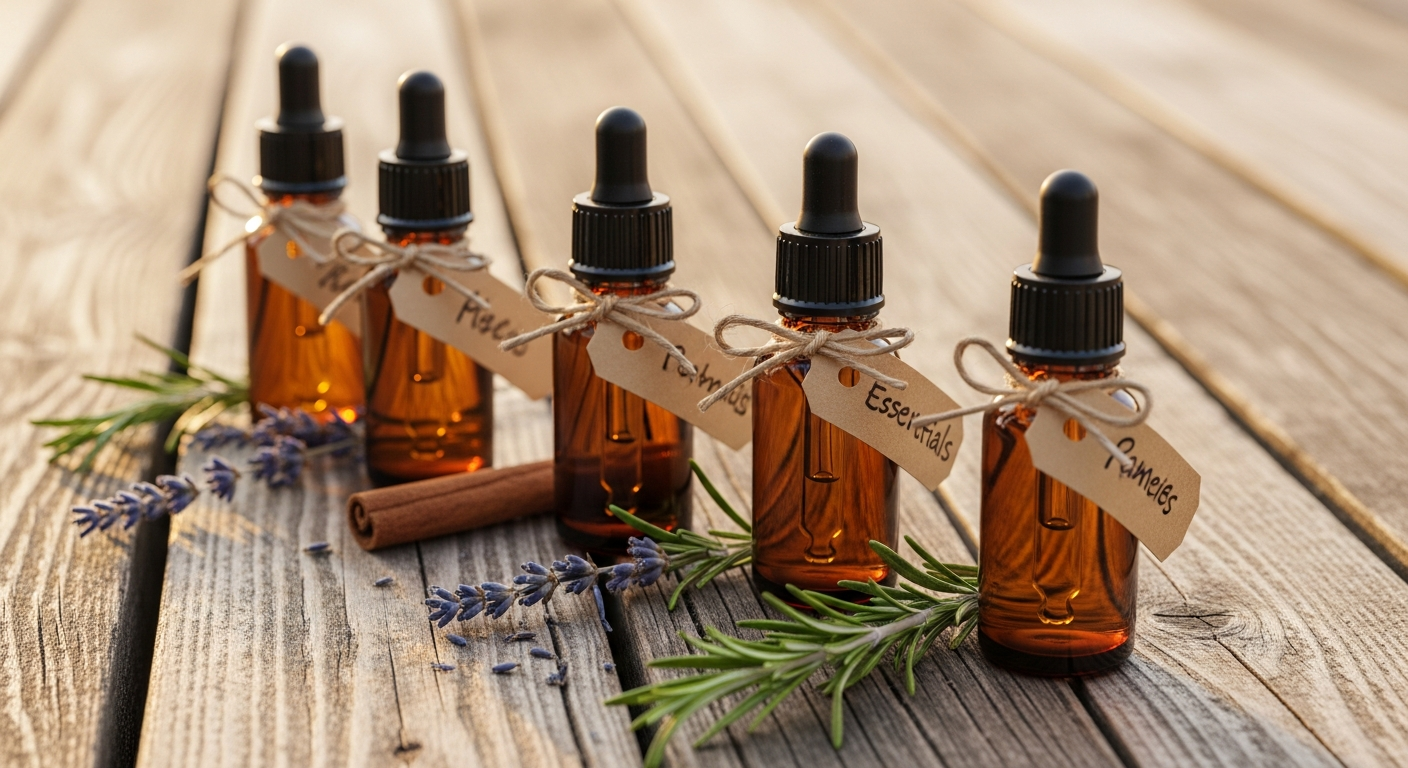
For the lavender, sweet orange, and eucalyptus essential oils, I buy off Amazon — there are solid options at every price point.
How Long Do Wax Melts Last and How Do You Use Them?
If you're new to wax warmers, here's everything you actually need to know in one place.
One cube typically provides 8–12 hours of scent throw, depending on the wattage of your warmer and which wax you're using (beeswax tends to last longer). Start with 1 cube for an average-sized room (~150 square feet) and add a second if you want a stronger scent or have a larger space. You'll know it's time to change the wax when you can't smell it anymore — the wax itself doesn't evaporate, just the fragrance.
To change the wax: The easiest method is the cotton ball trick — while the wax is still liquid, drop a cotton ball in and it absorbs the wax completely. Lift it out, toss it, and you're ready for the next scent. Alternatively, let the wax harden completely and it usually pops right out of the warmer dish cleanly.
Electric warmers are safer for homes with kids or pets than tea light warmers — no open flame, often with an auto-shutoff. A basic electric wax warmer runs $15–20 on Amazon and does the job perfectly.
Best Natural Wax Melts to Buy (If DIY Isn't for You)
If making your own doesn't sound like your thing right now, here are the three brands I'd actually spend money on — all of them use real natural waxes and avoid the synthetic fragrance oil issue.
Green Koala — Best for variety
Green Koala uses non-GMO coconut crème wax with dye-free, clean fragrances infused with essential oils. At $6 per clamshell and 40+ scents to rotate through, this is my top pick for someone who wants variety without commitment. They're available on Amazon, which makes it easy.
Happy Wax — Best for Amazon shoppers
Happy Wax uses 100% soy wax with phthalate-free fragrance. They offer multi-packs, ship Prime, and are consistently well-reviewed. If you want a practical everyday option without overthinking it, this is the one.
Cellar Door Candles — Best for the purist
Cellar Door uses a beeswax and coconut wax blend scented exclusively with 100% essential oil fragrance — no synthetic fragrance oils at all. They also ship in plastic-free packaging. It's the premium pick for someone who wants zero compromise on ingredients. The price reflects that, but it's worth it if that matters to you.
Natural Wax Melt FAQ
Are natural wax melts safe?
Yes — natural wax melts made from soy, beeswax, or coconut wax and scented with pure essential oils are a much safer alternative to conventional paraffin + synthetic fragrance wax melts. The risks of conventional wax melts come primarily from paraffin combustion byproducts and phthalate-containing synthetic fragrance oils, both of which natural options avoid.
Can you get non-toxic wax melts?
Yes. Look for these three things: a natural wax base (soy, beeswax, or coconut), essential oil or phthalate-free fragrance, and no synthetic dyes. Brands like Green Koala, Happy Wax, and Cellar Door Candles all meet this bar.
What is the healthiest type of wax?
Beeswax is considered the most natural — it's a pure animal byproduct with no agricultural processing. For practical everyday use, soy wax is the most accessible and affordable, and it burns cleanly. Both are significantly safer than paraffin.
How long do natural wax melts last?
One cube provides approximately 8–12 hours of scent. The wax itself doesn't disappear — only the fragrance dissipates. You can typically re-melt the same cube once or twice before it stops throwing scent.
Are wax melts safe for pets?
Natural wax is not toxic to cats or dogs. The concern is synthetic fragrance oils, which often contain phenolic compounds that are especially hard on cats. Use natural wax + essential oils at low concentrations (20 drops per cup, not 40), ensure good ventilation, and avoid eucalyptus, tea tree, and clove if you have cats.
What's the difference between fragrance oils and essential oils in wax melts?
Essential oils are pure plant extracts — the actual volatile compounds from the plant source. Fragrance oils are synthetic blends created in a lab, designed to mimic scents or create new ones. Fragrance oils are cheaper and often have a stronger throw, but many contain phthalates and other compounds that some people prefer to avoid.
How many wax melt cubes should I use?
Start with 1 cube for an average-sized room (around 150 square feet). Use 2 cubes for larger spaces or if you want a stronger scent.
Can I use essential oils in wax melts?
Yes — and this is what makes DIY so appealing. Add your essential oils after the wax has cooled to around 150°F (too hot and the fragrance burns off). Use 20–30 drops per 1 cup of wax, which gives you a noticeable but not overwhelming scent throw.