Do People Eat Roosters? Yes — Here's What to Do With Them
Last updated March 11, 2026
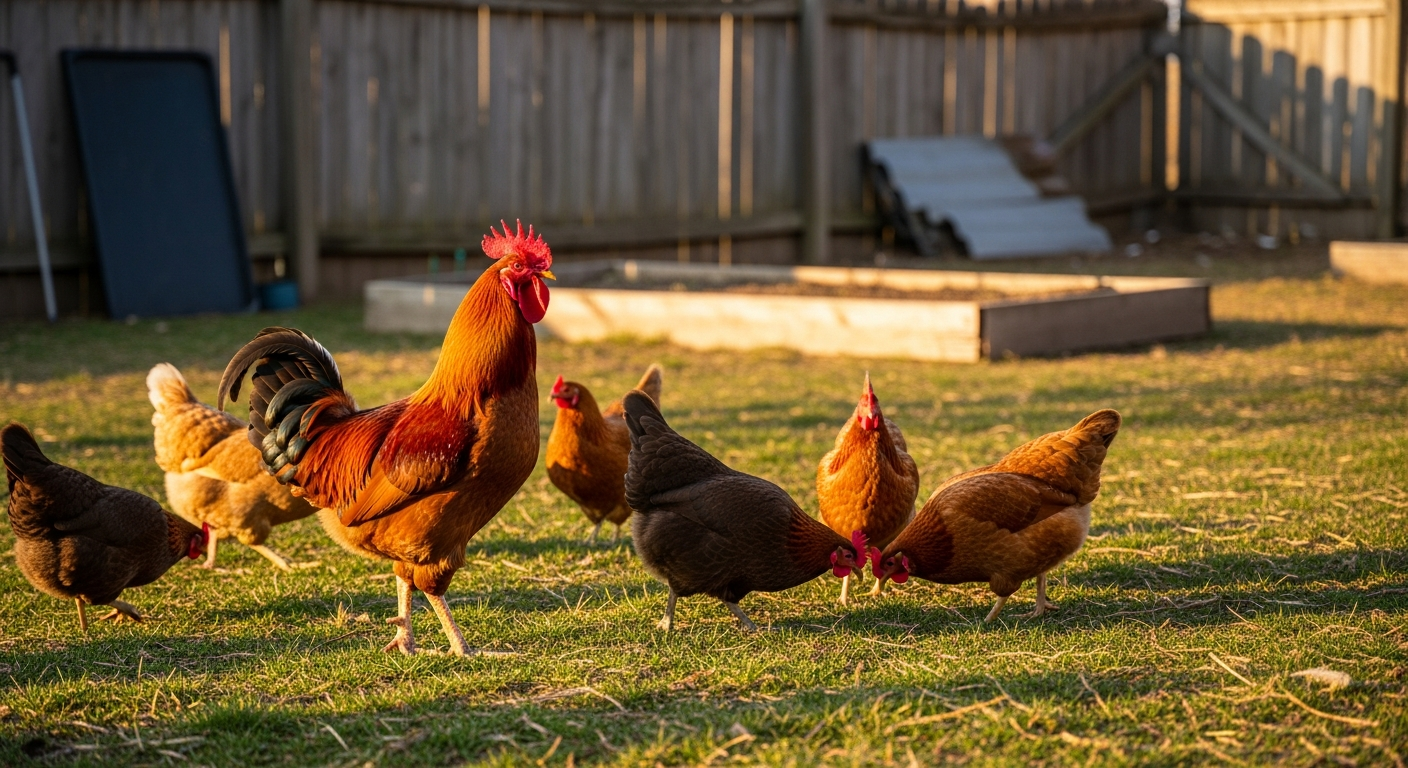
If you just ordered straight-run chicks and are staring down five roosters you didn't plan on, you are not alone. This happens to almost everyone who hatches eggs or buys unsexed chicks. And the question most people eventually Google — "do people actually eat roosters?" — has a simple answer: yes. People eat roosters everywhere in the world, and have for thousands of years. Here's everything you need to know to handle your surplus with confidence.
| Quick Answer | |
|---|---|
| Can you eat roosters? | Yes — roosters are edible and eaten worldwide |
| Taste | Stronger, more intense than commercial chicken; lean; richly flavored |
| Best age to eat | 16 weeks–1 year for backyard birds (younger = more tender) |
| How to cook | Low and slow — slow cooker, braise, soup, coq au vin |
| Can't process it yourself? | Many people will take free roosters — Facebook groups, local homesteaders |
You've Probably Already Eaten Rooster (And Didn't Know It)
Here's the part most people don't know: the chicken you bought at the grocery store last week had about a 50% chance of being male. Commercial poultry operations raise hybrid meat birds — both male and female — that reach slaughter weight in 6 to 8 weeks. At that age, there is no difference in flavor between a male and female bird. The meat is identical.
So when people say "roosters aren't good to eat," what they actually mean is that mature roosters — birds over a year old that have been running around a yard, building muscle, and developing their full hormonal profile — cook differently than grocery store chicken. That's true. But it doesn't mean the meat is bad. It means it requires a different approach, and once you know the approach, it's some of the most flavorful chicken you'll ever eat.
The "roosters aren't edible" idea comes from people who have never eaten a properly cooked mature rooster. In France, coq au vin — literally "rooster in wine" — has been a prized dish for centuries. Throughout Asia, Latin America, and most of the rest of the world, older roosters are regularly eaten and often preferred for their stronger flavor. In the U.S., we just got out of the habit of it.
What Does Rooster Meat Actually Taste Like?
The honest description: more intensely chicken-flavored than anything you've bought at a store. Richer. Deeper. Some people compare mature rooster to dark meat turkey, though I find that a little misleading — it's not gamey, it's just more. More chicken, more flavor, more depth in the broth or sauce it cooks in.
The science behind it is simple. Roosters are active birds. All that strutting and chasing builds dense muscle fiber and uses up intramuscular fat. The fat a rooster does carry sits directly under the skin, not through the muscle — which makes the meat lean and firm, but also means it needs moisture and time to stay tender.
Here's how it compares at different ages:
| Cockerel (under 16 wks) | Mature Rooster (1+ yr) | Commercial Chicken | |
|---|---|---|---|
| Flavor | Mild, like regular chicken | Rich, intense, deeply savory | Mild, neutral |
| Texture | Tender | Firm, lean | Tender |
| Best method | Roast, fry, grill | Slow cooker, braise, stew | Any method |
| Fat content | Low | Very lean | Moderate |
Young cockerels — those young males that haven't hit full maturity yet — cook exactly like standard chicken. You'd never know the difference. It's only once a rooster has been around for a year or more that the cooking method matters.
When to Eat a Rooster (The Age Guide)
The older the rooster, the lower the heat and the longer the cook. That's the one rule. Here's how it breaks down:
| Age | What It's Called | Meat Quality | Best Cooking Method |
|---|---|---|---|
| Under 16 weeks | Cockerel | Tender, mild, indistinguishable from hen | Roast, fry, grill — any method works |
| 16 weeks–1 year | Young rooster | Flavorful, slightly firmer | Slow cooker, soups, stews |
| 1+ year | Mature rooster | Richest flavor, leanest meat | Coq au vin, long braise, bone broth |
For backyard flocks, 6 months is widely considered the sweet spot. Old enough that the bird has good meat yield; young enough that you're not dealing with the toughest cuts. If you have a young cockerel that's causing chaos at 12 weeks, you can absolutely process him then — he'll cook just like any chicken breast you'd buy at a store.
How to Cook a Rooster (The Method That Makes It Delicious)
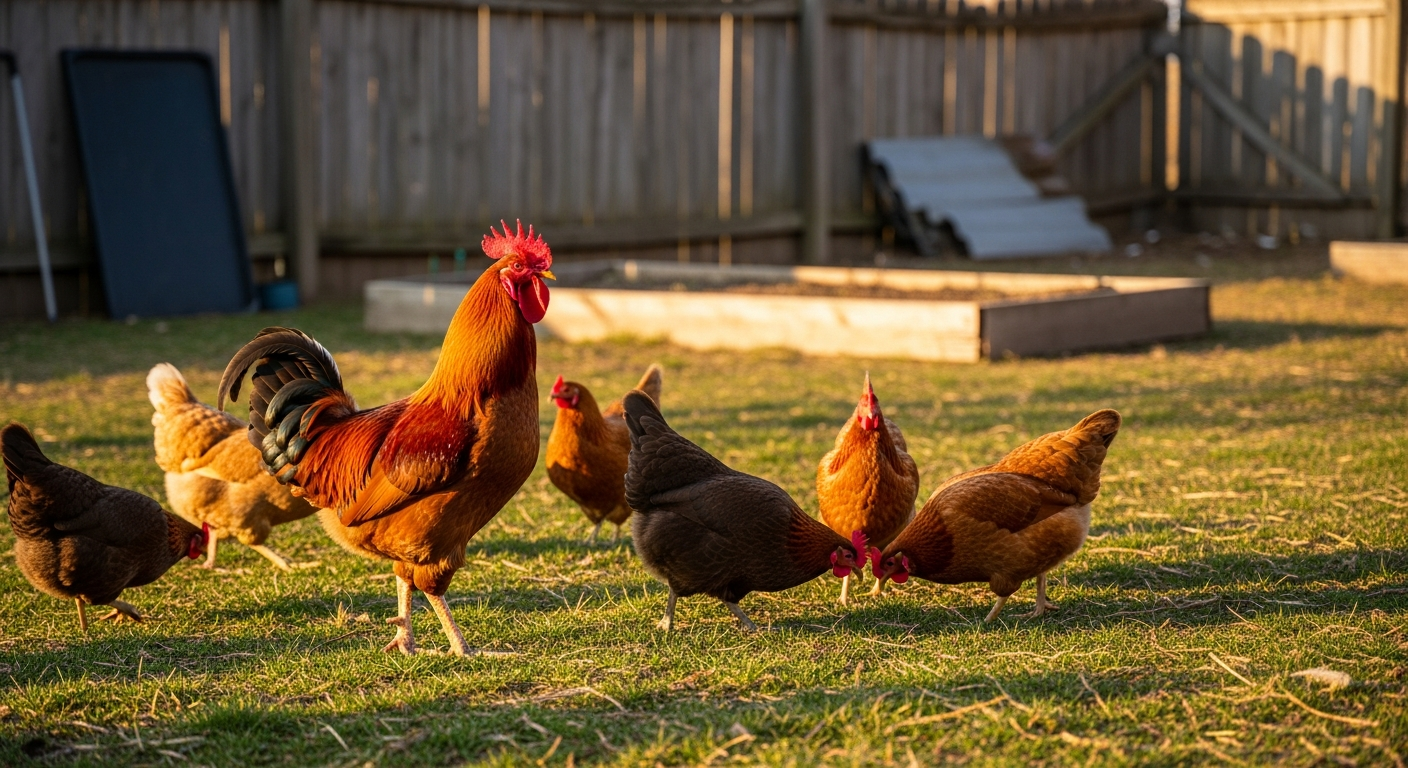
The first time I slow-cooked a rooster I wasn't sure what to expect. An hour in, the whole house smelled like the best chicken soup I'd ever made. I will not be going back to cooking store-bought chicken for soup.
The key is simple: low heat, long time, moisture. A slow cooker is the most forgiving and beginner-friendly method, and it's where I'd start.
Slow Cooker Method:
- Place the whole bird in your slow cooker.
- Line the bottom with sliced onions; add a few sprigs of thyme, a bay leaf, or whatever herbs you have.
- Rub the outside of the bird with butter or olive oil and season generously with salt and pepper.
- Cook on high for 2–3 hours (thawed bird) or on low for 5–6 hours (if starting from frozen).
- The meat is done when it pulls easily off the bone. Pull it, shred it, save every drop of the liquid.
That liquid is the best stock you've made in your kitchen. Rooster bones and connective tissue produce more gelatin than commercial chicken carcasses — the resulting broth is rich and silky and deeply flavored. Don't throw it out.
What to do with the pulled meat:
- Chicken soup or chicken and dumplings — the most traditional use, and the best one
- Pulled BBQ chicken sandwiches
- Chicken pot pie
- Chicken salad or wraps
Coq au vin is the classic French preparation — the name literally means "rooster in wine." It braises low and slow in red wine, chicken broth, mushrooms, and aromatics for a few hours, and what comes out is a rich, deeply savory stew unlike anything you can make with a grocery store bird. It's worth making at least once with a real backyard rooster. There's a reason French grandmothers have been making it for centuries.
What to Do With a Surplus Rooster When You're Not Ready to Process It
Not everyone is ready to dispatch a bird they've named and raised since it was a fluffball in a brooder box. That's okay. Processing your own chickens is a skill that takes time to develop emotionally as much as practically, and there is no shame in not being there yet.
Here's what you can do instead:
-
Post on Facebook Marketplace or a local homesteading group. Roosters go fast. People who raise chickens for meat will often take them for free, and they do all the processing themselves. You don't have to see it or be part of it. Post with a photo and the words "free roosters" and see what happens — you'll likely have responses within hours.
-
Use the Facebook code names. In local poultry groups, surplus roosters are often listed as "alarm clocks," "Roos," or just "free roosters." Search those terms if you're looking; use them if you're listing.
-
Ask at your local feed store. The staff knows everyone who raises chickens in the area. They'll often know who takes surplus roosters or can connect you with local homesteaders.
-
Find a mobile poultry processor. Some areas have small-scale processors who will come to your property or have a drop-off location. You pay a small fee and get the packaged meat back — without having to do any of the processing yourself.
I posted a rooster on our local Facebook homestead group once and had three people respond in two hours. Roosters are more in demand than you'd think. What matters is that the bird is put to good use — however that happens.
Frequently Asked Questions
Do people eat roosters? Yes — roosters are eaten around the world and always have been. In many cultures, rooster meat is considered superior to hen meat for its stronger, richer flavor. You've almost certainly eaten young male chicken before without knowing it, since commercial operations process both males and females.
What does rooster meat taste like? Rooster meat has a more intense, richer flavor than the commercial chicken you're used to — deeply savory, more "chicken-y," with some comparing it to dark meat turkey. It's lean and dense. Young cockerels under 16 weeks taste like regular chicken; mature roosters have the most pronounced flavor and do best with long, slow cooking.
At what age can you eat a rooster? Any age. Young cockerels under 16 weeks can be cooked like any chicken — roasted, fried, whatever you like. The sweet spot for backyard roosters is 6 months to 1 year: old enough for good meat yield, not so old that they need extremely long cooking times. Roosters over a year are best slow-cooked: soup, braise, or coq au vin.
Can you eat roosters like regular chicken? Young roosters, yes. Mature roosters (1+ year) need low-and-slow cooking — high heat makes their lean, dense muscle meat tough. A slow cooker or Dutch oven braise is the standard approach. Once cooked low and slow, the meat pulls apart easily and is incredibly flavorful.
Why don't grocery stores sell rooster meat? Commercial operations raise fast-growing hybrid chickens slaughtered at 6-8 weeks — at that age, males and females taste identical and both go to market. Older rooster meat requires different cooking techniques and doesn't fit the boneless-skinless-chicken-breast model that dominates retail. You can occasionally find it at specialty butchers or ethnic grocery stores.
What is a capon? A capon is a rooster castrated before sexual maturity. Without testosterone, capons develop more fat and much more tender meat than a standard rooster. They're still sold at some specialty butcher shops, especially around the holidays — though they're pricier than a regular chicken and less common in the U.S.