Homemade Magnesium Spray: The Easy 2-Ingredient Recipe (+ How to Stop the Sting)
Last updated March 10, 2026
I picked up a 2-oz bottle of magnesium spray at my local co-op a few years back. The price tag said $27. I turned it over, read the ingredient list — magnesium chloride, distilled water — and came home and made 16 ounces myself for about $2.
If you’re here because you can’t sleep, your legs cramp up at night, or you’re carrying more stress than your body knows what to do with, magnesium spray might genuinely help. It’s one of the first natural remedies I’d recommend to anyone dealing with any of those three things. I’m going to give you the recipe — it’s truly two ingredients and five minutes — but I’m also going to be honest about the stinging problem, because most articles skip right past it, and I think that’s exactly why people make a batch and give up after one try.
What You Need to Make Magnesium Spray
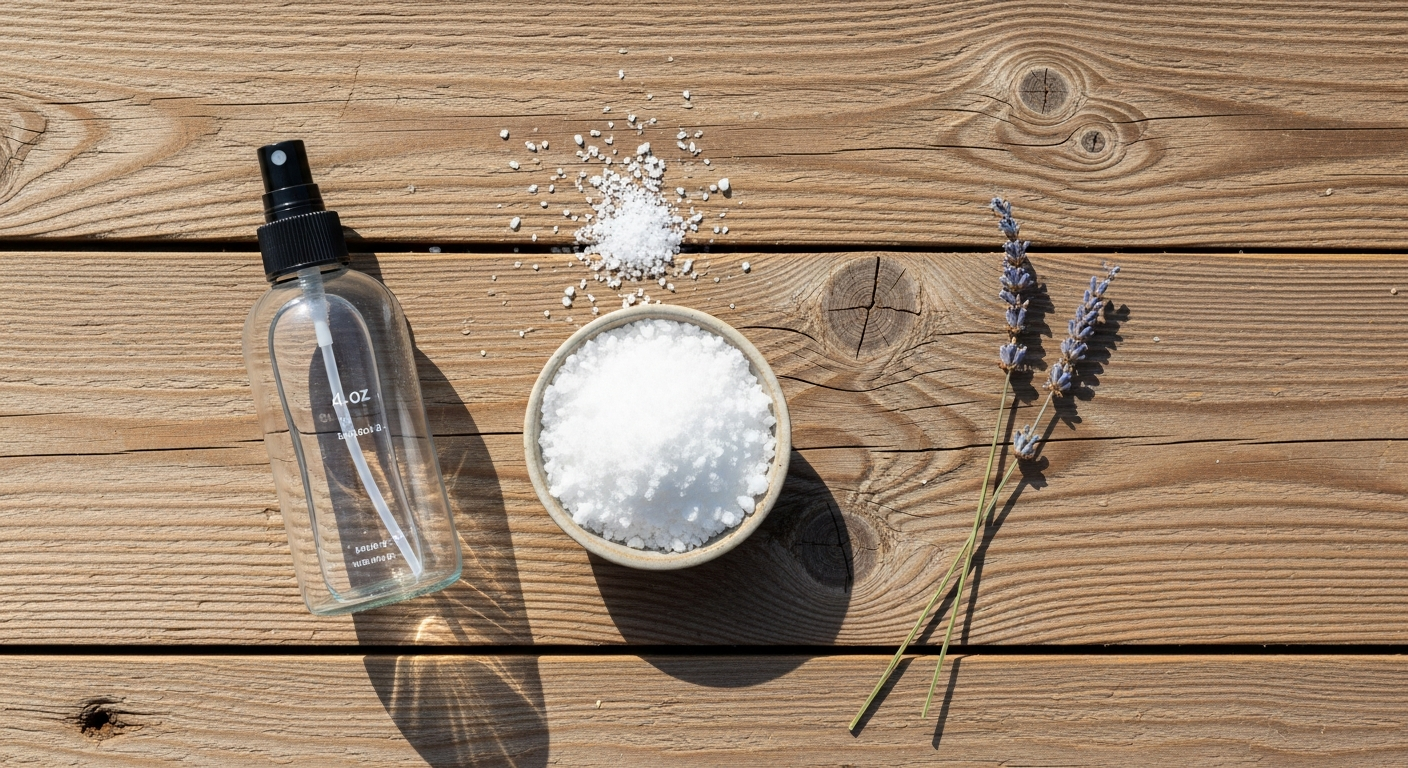
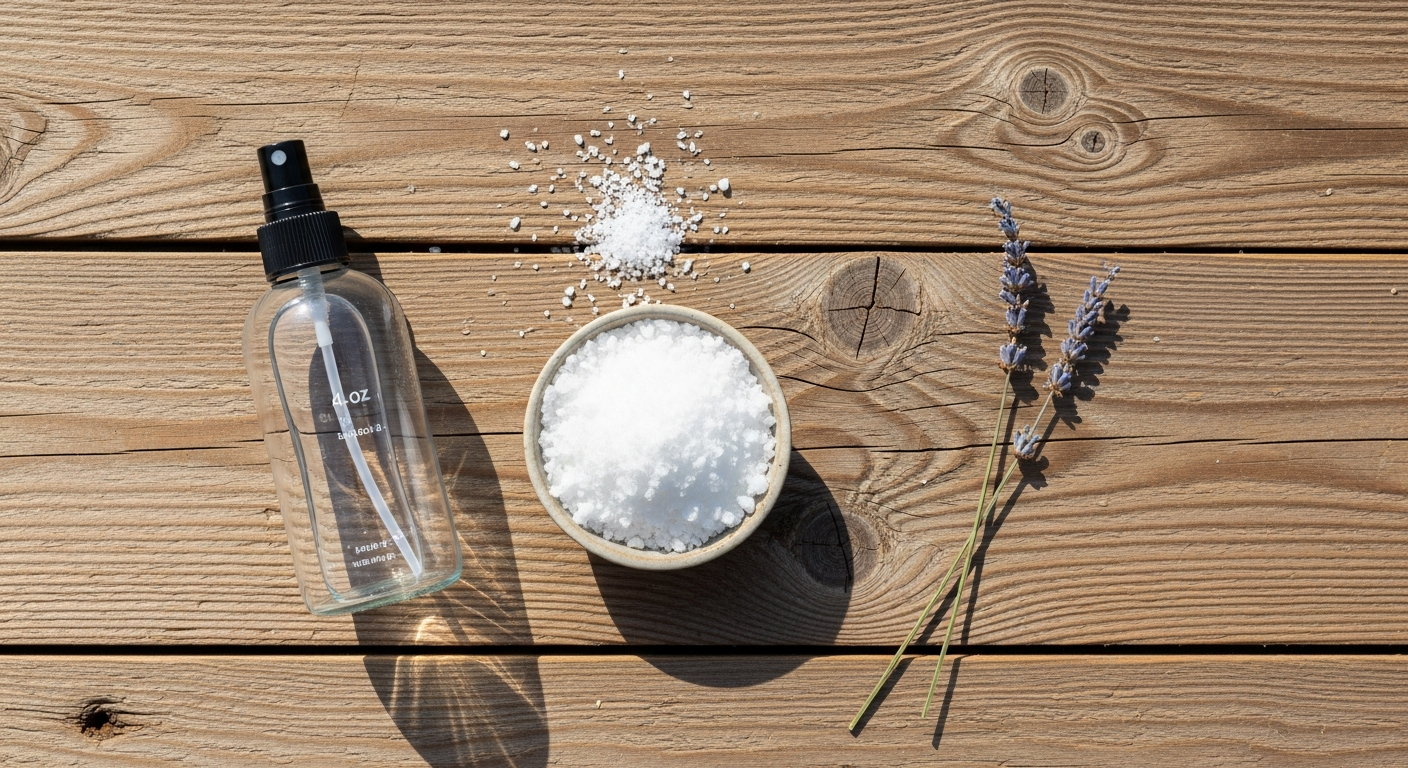
Magnesium chloride flakes — This is the core ingredient, and it’s the one you’ll need to order in advance. Most grocery stores don’t carry it. (I’ll explain the difference between this and Epsom salts in a minute — but you need magnesium chloride specifically, not magnesium sulfate.) A 2-lb bag runs about $15 on Amazon and makes 8–10 batches. Compare that to $25–30 a bottle at the health food store.
Distilled water — Use distilled, not tap. Tap water contains minerals and trace bacteria that shorten shelf life significantly — down to 1–2 months. Distilled water pushes that out to 6–12 months. You can find it at most grocery stores for about $1 a gallon.
A 4-oz glass spray bottle — Glass matters here. Magnesium chloride is a mineral salt, and it can leach compounds from plastic over time. A small glass bottle also keeps the spray stable longer. A 4-oz size is the right fit for one batch.
Optional: lavender essential oil — This is the most popular add-on by far, and for good reason — lavender has real research behind it for relaxation and sleep. Use 10–15 drops per batch if you want to add it. If you deal with respiratory issues, my guide on essential oils for asthma covers which oils may help open up airways naturally.
Optional: fractionated coconut oil — This adds a skin-softening quality to the spray. One important note: use fractionated (liquid) coconut oil, not regular. Regular coconut oil solidifies as the spray cools and will clog your nozzle. Fractionated coconut oil stays liquid at room temperature.
How to Make Homemade Magnesium Spray
This takes about 5 minutes of active time, plus cooling.
Heat ½ cup of distilled water until boiling. You can do this in a microwave — about 2 minutes in a glass measuring cup — or bring it to a boil in a small saucepan on the stove. I use the microwave method because I can pour directly from the measuring cup into the bowl without dirtying another dish.
Measure ½ cup of magnesium chloride flakes into a glass bowl or large mug. Have it ready before the water is done so you can combine them right away while the water is still hot.
Pour the hot water over the flakes and stir until completely dissolved. The mixture will look slightly cloudy at first — keep stirring. When it’s done, it should turn mostly clear. If it’s still white and murky, give it another minute of stirring.
Let it cool completely to room temperature before adding any essential oils or fractionated coconut oil. Heat disperses essential oils quickly, so you’ll lose most of the scent and benefit if you add them while the liquid is still hot. This step takes 20–30 minutes, or you can speed it up by setting the bowl in a cold water bath.
Add any optional ingredients, pour into your glass spray bottle, and label it with today’s date. Shake gently to combine, especially if you added an oil — you’ll want to shake before each use too.
Why Does Magnesium Spray Sting — and How to Fix It
Magnesium spray stings because it’s a concentrated mineral salt — the more magnesium-deficient you are, the more your skin reacts. That part is true. What’s less honest is the common claim that the stinging goes away after about two weeks of use. For some people it does. For a lot of people, it doesn’t — and if you’re expecting the sting to stop and it keeps happening, you’ll probably quit. I’d rather prepare you now.
Here are five things that actually help:
Dilute the recipe. Instead of the standard 1:1 ratio, use 2 parts water to 1 part flakes. Less concentrated means less sting. You can gradually increase the ratio as your skin adjusts.
Moisturize right after. Apply your favorite lotion, aloe vera gel, or fractionated coconut oil immediately over the spray — before it fully dries. This cuts the stinging significantly for most people. If you want to take magnesium even further, it works surprisingly well as a deodorant — read more about using magnesium hydroxide in deodorant.
Start with fewer sprays. Two or three sprays on a small patch of skin first — don’t go straight to eight sprays on both legs on day one. Give your skin time to adjust.
Use the foot method. This is the one I’d tell any beginner to start with. Spray 3–4 pumps on the soles of your feet, put socks on, and go to bed. The skin on the soles of your feet is thicker, so absorption happens with almost no sting at all — and you still get the full overnight benefit.
Wait after shaving. The sting is dramatically worse on freshly shaved skin. Wait at least 6–8 hours after shaving before applying to your legs.
💡 Brand new to magnesium spray? Start here: Spray 3–4 pumps on the bottoms of your feet before bed and put socks on. That’s it. You get all the sleep and absorption benefit with almost zero stinging. Once you’re used to how it feels, you can start applying it to other areas.
3 Homemade Magnesium Spray Recipes (Pick Your Purpose)
Once you have the base recipe down, you can customize it for what you actually need. Here are three versions — pick the one that matches why you’re making it.
Simple Everyday Spray
Ingredients:
- ½ cup magnesium chloride flakes
- ½ cup distilled water
The original, nothing added. Best for beginners, people with sensitive skin, or anyone who wants to try it before introducing any other variables. I’d start here. Get used to how it feels on your skin before you add essential oils or anything else.
Sleep Spray (Lavender + Cedarwood)
Ingredients:
- ½ cup magnesium chloride flakes
- ½ cup distilled water
- 15 drops lavender essential oil
- 5 drops cedarwood essential oil (optional, but it pairs well)
Apply to your feet, lower legs, and the back of your neck about 30 minutes before bed. Lavender has more research behind it for relaxation than almost any other essential oil — it’s popular in this recipe for a reason. The cedarwood is optional, but it adds a warm, grounding quality that I really like for a nighttime spray.
Sore Muscle Spray (Peppermint + Eucalyptus)
Ingredients:
- ½ cup magnesium chloride flakes
- ½ cup distilled water
- 10 drops peppermint essential oil
- 5 drops eucalyptus essential oil (optional)
Apply to sore areas after a workout, massage it in for a couple of minutes, and leave it on for at least 20 minutes. The peppermint adds a cooling sensation that works well on tired muscles. One warning: peppermint is intense on freshly shaved skin, and it shouldn’t be applied to young children’s skin or anywhere near their face.
Where and How to Apply Magnesium Spray

If this is your first time, keep it simple: spray 3–4 pumps on the soles of your feet, put socks on, and go to bed. That’s the lowest-friction way to start and the one I’d recommend to anyone who isn’t sure how their skin will react.
Once you’re ready to expand, here’s where magnesium spray absorbs best:
- Abdomen — The skin here is thin, so absorption is efficient. Good for general daily magnesium support.
- Calves and thighs — The go-to area for restless legs, muscle cramps, and post-workout soreness.
- Shoulders and neck — Useful for tension and stress. I like applying here at the end of a hard day.
- Feet (before bed) — Best for sleep support, sensitive skin, and children.
For dosage, start with 3–4 sprays in one area and see how your skin responds. Most people work up to 6–10 sprays across multiple areas daily. The biggest thing I’ve noticed is that consistency matters more than volume — a small amount every day does more than a larger amount once in a while.
Can You Use Epsom Salt Instead of Magnesium Flakes?
You can, but it won’t work the same way — Epsom salt and magnesium chloride flakes are two different forms of magnesium, and they behave differently on skin.
Epsom salt is magnesium sulfate. It’s wonderful in a bath or foot soak, and you’ll get some magnesium benefit that way. But magnesium chloride — the form in the flakes — is more efficiently absorbed through the skin, which is why it’s the form used in every commercial topical magnesium spray on the market.
If you accidentally bought Epsom salt instead of magnesium chloride flakes, use them in a warm foot soak or bath — you’ll still get some benefit. Then order magnesium chloride flakes when you’re ready to make the spray. The two aren’t interchangeable for this recipe.
How Long Does Homemade Magnesium Spray Last?
Homemade magnesium spray made with distilled water lasts 6–12 months when stored in a glass bottle in a cool, dark place. Magnesium chloride is a mineral salt, which acts as a natural preservative — so shelf life is actually quite good without anything added.
Using tap water cuts that down significantly — to about 1–2 months — because tap water contains minerals and trace bacteria that can compromise the solution over time. Stick with distilled if you want to make larger batches and not worry about it going bad.
Label your bottle with the date you made it, especially if you’re making multiple batches or giving some away. Signs it’s gone off include cloudiness, discoloration, or an off smell — but with distilled water and a clean glass bottle, this rarely happens.
FAQs About Homemade Magnesium Spray
What is a good carrier oil for magnesium spray?
Fractionated coconut oil or jojoba oil are the best choices — both stay liquid at room temperature and blend reasonably well with the spray. Avoid regular coconut oil, which solidifies when cooled and will clog your spray nozzle. Add about 1 teaspoon per ½ cup of spray.
Is magnesium spray safe for kids?
Yes — apply it to the soles of their feet and put socks on for bed. This avoids the stinging issue entirely since the skin on the feet is thicker. It’s generally considered safe for children 2 and up. If you’re adding essential oils, use half the amount recommended for adults for children ages 2–4.
What happens if you spray magnesium oil on your feet at night?
It absorbs through the thicker skin on the soles of your feet with much less irritation than other areas. Putting socks on afterward keeps the spray in contact with your skin longer, which helps with absorption. Many people — myself included — find this the easiest and most comfortable way to use magnesium spray consistently.
What shouldn’t you mix magnesium with?
Avoid mixing acidic ingredients like lemon juice or apple cider vinegar into your spray — they react with the magnesium chloride and can reduce its effectiveness. If you use calcium-rich skincare products, apply them at a different time of day since calcium and magnesium compete for the same absorption pathways.
How many sprays of magnesium oil should I use per day?
Start with 3–4 sprays once a day and see how your skin responds. Work up to 6–10 sprays across multiple areas as you get comfortable. Daily consistency matters more than volume here — a small amount every day will serve you better than a large dose once a week.