How to Make Calendula Salve (Easy Recipe for Dry Skin, Cuts & Eczema)
Last updated March 10, 2026
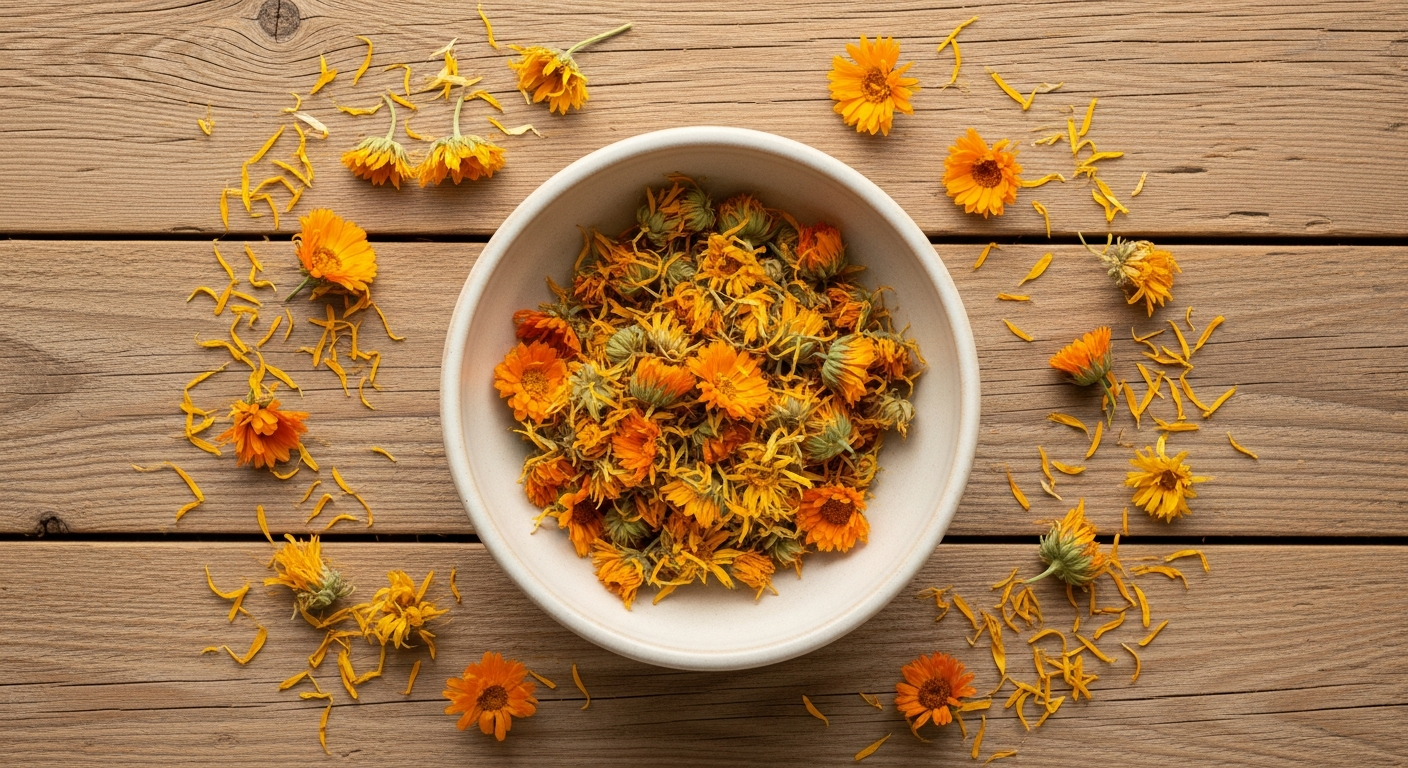
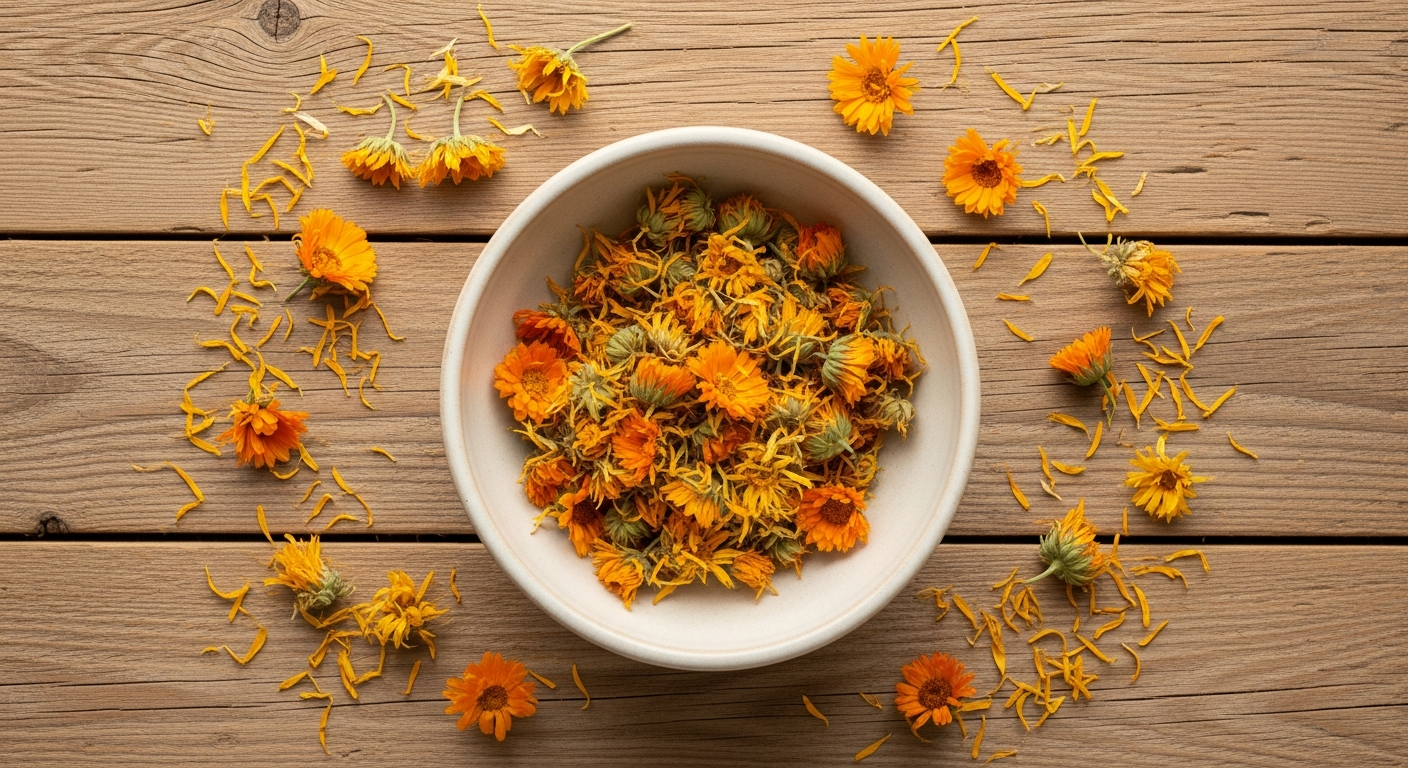
The first time I made calendula salve, I had a mixing bowl full of dried orange flowers sitting on my kitchen counter and genuinely no idea if what I was about to do would work. I'd been growing calendula in my garden for a couple of seasons by then — it's one of those plants that just gives, blooming from late spring until the first hard frost, dropping seeds everywhere, coming back year after year whether you ask it to or not. I'd been harvesting the flowers and drying them in paper bags, thinking I'd figure out what to do with them eventually.
Turns out, this salve is the "eventually." It takes about 20 minutes of active work once you have your infused oil ready, uses ingredients you can mostly find in your kitchen, and produces something genuinely useful — the kind of thing you reach for when a kid scrapes a knee, when your hands crack in January, when the eczema flares up again. I've given tins of it as gifts. I've kept it on my bathroom shelf for years.
This is the first salve I teach beginners to make, and there's a reason for that.
| Main uses | Dry skin, eczema, cuts, scrapes, rashes, bug bites, chapped lips, diaper rash |
| Yield | ~10–12 oz (about six 2-oz tins) |
| Active time | ~20 minutes |
| Infusion time | 2–6 weeks (same-day quick method available) |
| Shelf life | 12–18 months |
| Skill level | Complete beginner |
| Cost to make | ~$15–25 for a full batch |
| Gift-friendly? | Yes — one of the best DIY gifts |
Why I Keep Calendula in My Garden (and Medicine Cabinet)
Calendula is one of those plants I'd recommend to anyone starting a garden for the first time. It self-seeds, blooms from spring until frost, and the flowers come in shades of orange and yellow that feel almost too cheerful to cut. It's hard to kill, tolerates poor soil, and grows just fine from direct-sown seed. One packet of seeds will fill a bed and reseed itself for years.
But I don't just grow it for the color. Every time I harvest a batch of flowers, I know exactly what it's turning into — and that makes the whole garden feel more purposeful. What you can make with it is worth it.
What Is Calendula Salve Good For?
Calendula salve is used for dry skin, eczema, minor cuts, scrapes, rashes, bug bites, chapped lips, diaper rash, razor burn, scars, and general skin irritation. The dried flowers contain anti-inflammatory and wound-healing compounds — including flavonoids and triterpenoids — that help reduce redness, support skin repair, and soothe irritated tissue. If eczema is a concern in your household, I also have a homemade eczema cream recipe that pairs beautifully with the soothing properties of calendula. It's gentle enough for babies, sensitive skin, and everyday use for the whole family.
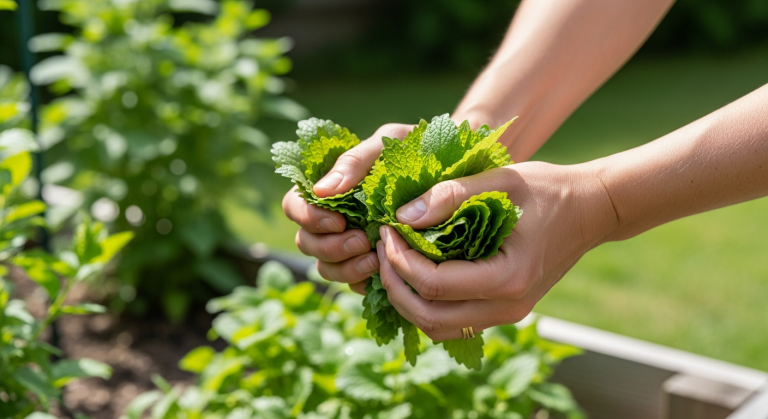
One detail worth knowing: the most medicinal part of the calendula flower isn't the bright orange petals — it's the sticky, slightly resinous green base underneath them (the sepal and receptacle). That's where the highest concentration of healing compounds lives. This is why the recipe calls for whole dried flowers rather than just the plucked petals. When you squeeze a fresh flower head and your fingers feel a little tacky, that's what you're after.
Is Calendula the Same as Marigold? (And Does It Matter?)
This comes up constantly, so let me be direct: calendula is Calendula officinalis, sometimes called pot marigold. It's the plant you want for medicinal use. French marigold and African marigold — the kind sold at big-box garden centers for borders and pest control — are Tagetes species, and they're a completely different plant. They're not interchangeable for this recipe.
How to tell them apart: calendula leaves are slightly sticky and hairy, and the flowers are typically smaller with a distinct resinous scent. Tagetes flowers are denser, often have a spicier smell, and the plants grow more bushy. If you bought seeds labeled "pot marigold," you're fine. If you bought "African marigold" or "French marigold" for your garden borders, those are different — don't use them here.
What You'll Need
Ingredients
- Dried calendula flowers — homegrown is ideal, but dried flowers are easy to find online and are exactly what I keep on hand for off-season batches
- Carrier oil — this is the base oil that holds the infusion (see the comparison table below; olive oil is the easiest starting point)
- Beeswax pastilles — use 1 oz per cup of oil as your base ratio; pastilles melt faster than a block and you don't need to grate anything
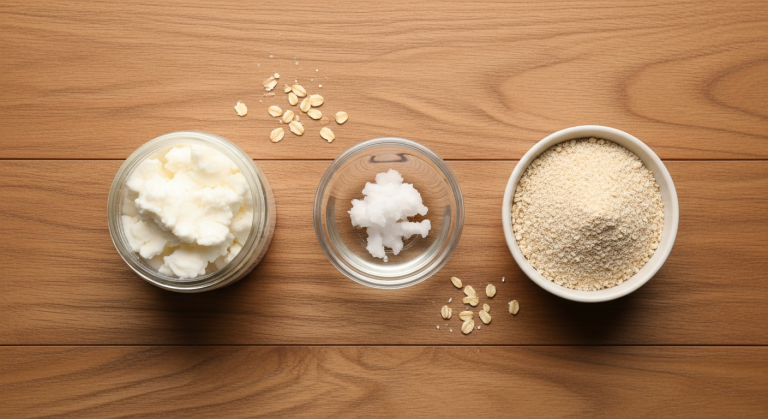
- Optional: shea butter — 2 Tbsp adds richness and a slightly creamier texture
- Optional: lavender essential oil — 15–20 drops, added right before pouring; also good: chamomile or tea tree
- Optional: vitamin E oil — a few drops at the end; extends shelf life by several months and is an easy add most beginners don't know about
Equipment
- Pint mason jar — for infusing the oil
- Fine mesh sieve + cheesecloth — for straining; you'll squeeze the cheesecloth to get every last drop
- Double boiler — or a Pyrex measuring cup set in a pot with 1 inch of water; you don't need any specialty equipment
- 2-oz salve tins or small glass jars — this is the one thing most people won't already have; metal tins are my preference because they cool quickly and stack neatly
Everything here is probably already in your kitchen except the tins and the beeswax.
Choosing Your Carrier Oil
The carrier oil is the base of your salve — it's what carries the calendula's healing properties into the skin. You have options, and they're not all equal for every use. Here's a quick breakdown:
| Oil | Texture | Skin Feel | Best For | Notes |
|---|---|---|---|---|
| Olive oil | Liquid | Rich, slightly heavy | Dry/cracked skin, general use | Pantry staple; great all-purpose starting oil |
| Jojoba oil | Liquid | Light, absorbs fast | Face, oily skin, sensitive skin | Closest to skin's natural sebum; low comedogenic rating |
| Sweet almond oil | Liquid | Silky, soft | Sensitive/delicate skin, babies | Best for baby-safe batches or face use |
| Coconut oil | Solid at room temp | Absorbs well | Body use, firmer salves | Avoid on face — highly comedogenic |
| Sunflower oil | Liquid | Very light | Sensitive skin, budget-friendly option | Good pantry alternative to olive |
For a general-purpose salve, I almost always use olive oil — it's already in my kitchen and it works great. If I'm making a batch for my face or for a baby, I switch to sweet almond or jojoba.
Step 1 — Make Calendula Infused Oil
Where to Get Calendula Flowers
Grow your own if you can — calendula is incredibly easy to start from seed and one of the best companion flowers in any kitchen garden. Direct sow in spring, thin to about 8 inches apart, and harvest flowers when they're fully open. But if it's the middle of winter or you just don't have a garden yet, dried calendula flowers are widely available online and work perfectly for this recipe.
Why You Must Dry the Flowers First
Fresh calendula flowers hold a significant amount of water, and even a small amount of moisture in your infusion oil will cause the whole batch to mold within a week. I've had this happen once — it's a frustrating waste of time and oil. Don't skip this step.
If you're using homegrown flowers, lay them on a paper towel or drying rack for 24–48 hours until they've shrunk slightly and feel dry and papery. Don't rinse them with water. Shake them gently over the sink to dislodge any insects. Slightly wilted and shrunken means ready. Still plump and vibrant means wait another day.
The #1 mistake people make: infusing with flowers that weren't fully dry. When in doubt, dry them longer.
Three Ways to Infuse (Pick Your Timeline)
| Method | How | Time | Best When |
|---|---|---|---|
| Cold infusion (classic) | Fill a pint jar ¾ full of flowers, cover completely with oil, store in a dark cabinet, shake or stir weekly | 4–6 weeks | Best potency — my default method |
| Quick (double boiler) | Same jar setup, low heat for 2–3 hours, maintain oil temp around 100–120°F | Same day | You need it today |
| Sunny window | Jar on a south-facing windowsill, stir every few days | 1–2 weeks | Easy middle ground |
Whichever method you choose, leave the jar lid slightly loose, or cover the top with a square of cheesecloth held by a rubber band. This lets any remaining moisture escape as the oil warms. It's a small thing that makes a real difference — none of the competitor recipes mention it in their body copy, but it's the move.
Straining the Oil
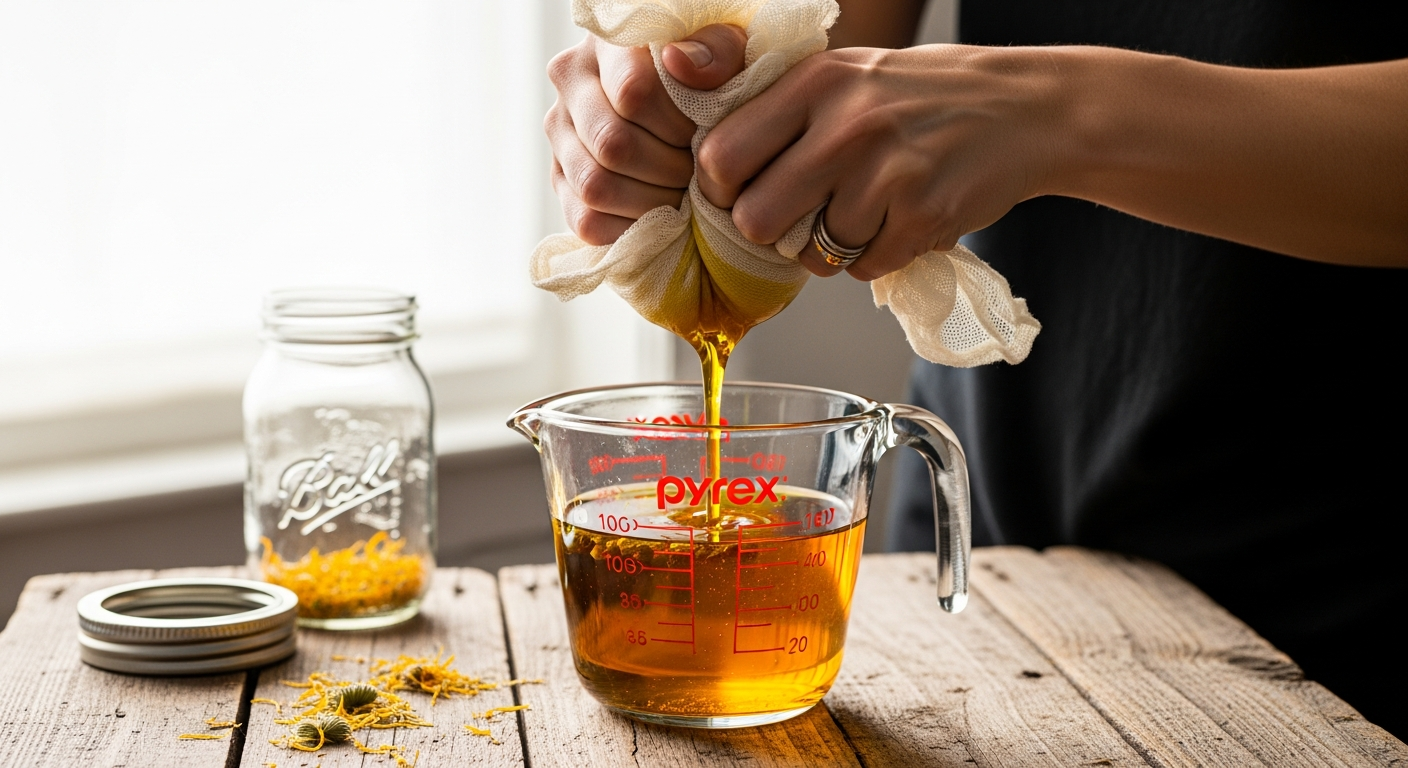
Line your sieve with a double layer of cheesecloth, pour the infusion through, and then gather the cheesecloth and squeeze firmly to get every last bit of oil out. The finished oil should be deep golden, almost orange — that color is a good visual sign the batch infused well. Pale yellow means the flowers weren't very concentrated or the infusion didn't go long enough.
Step 2 — Make the Salve
Once your oil is ready, you're about 20 minutes from a finished batch.
Calendula Salve Recipe
Ingredients:
- 1 cup calendula infused oil
- 1 oz beeswax pastilles (~3 Tbsp)
- Optional: 2 Tbsp shea butter
- Optional: 15–20 drops lavender essential oil
- Optional: a few drops vitamin E oil
Steps:
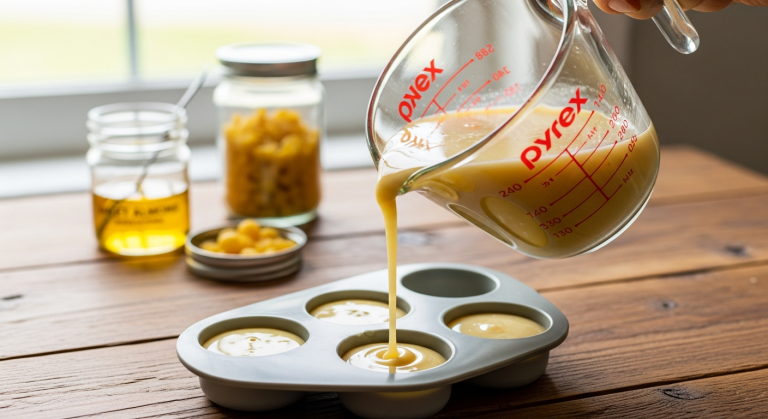
- Set up your double boiler. Fill a small pot with about 1 inch of water and bring it to a low simmer. Set a Pyrex measuring cup or heat-safe bowl on top — it shouldn't touch the water.
- Add the infused oil and beeswax. Pour your strained calendula oil into the Pyrex, then add the beeswax pastilles on top.
- Stir until fully melted. This takes 5–10 minutes on low heat. Don't rush it with higher heat — you want the oil warm, not cooking. Stir occasionally until the last bit of wax disappears.
- Add shea butter if using. Stir until fully melted and incorporated.
- Do the consistency test (see the next section). This is the step most recipes skip, and it's the one that saves your batch.
- Remove from heat and cool slightly. Take the Pyrex off the pot and let the mixture sit for 3–4 minutes. You want it to cool down enough that the essential oils won't evaporate, but still liquid enough to pour.
- Add essential oils and vitamin E if using. Stir gently to combine.
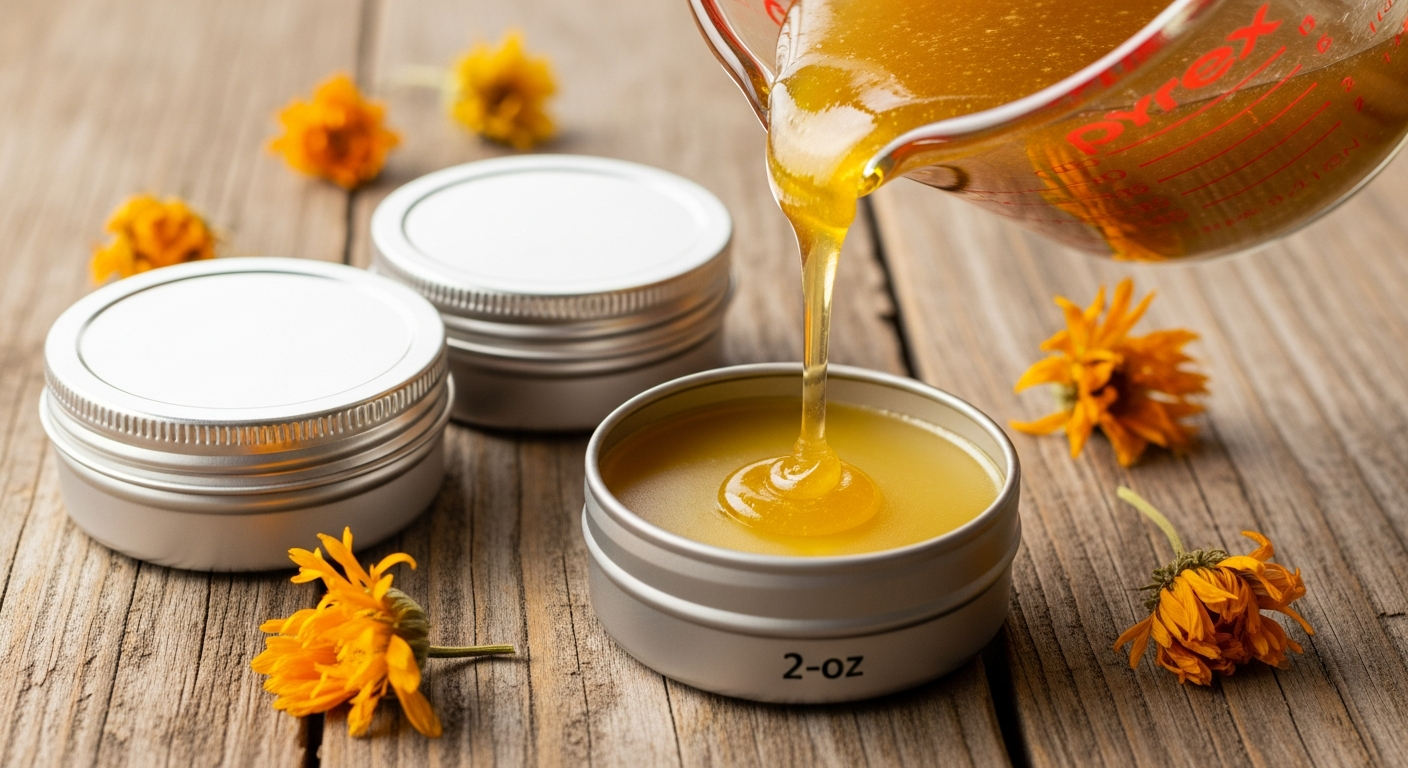
- Pour into tins. Fill each tin slowly and evenly. Leave them uncapped for at least 30–60 minutes — capping too early can trap condensation and reduce shelf life.
The Consistency Test (Get It Right Every Time)
Put a small plate in your freezer for 5 minutes before you start. When your beeswax is melted and the mixture is fully combined, drop a small spoonful onto the cold plate and wait 30 seconds.
What you're looking for: the salve should be soft and slightly glossy — it should give when you press it with a finger, not bounce back like wax, and not run like oil.
- Still runny? Return to heat, add ¼ tsp more beeswax, stir until melted, and retest.
- Waxy and hard? Return to heat, add 1 Tbsp more carrier oil, stir, and retest.
- Soft and glides smoothly? You're ready to pour.
This test saves batches. Use it every time.
How to Use Calendula Salve
- Eczema and rashes — apply a thin layer to affected skin, let it absorb, use twice daily or as needed
- Minor cuts and scrapes — clean the wound first, then apply a light layer; the antimicrobial properties help as it heals
- Bug bites — reduces itch and inflammation; a little goes a long way
- Dry, cracked hands and heels — apply before bed and let it work overnight; this is where the olive oil base really shines
- Chapped lips — works as a lip balm; if you want a firmer texture, bump the beeswax to 4 Tbsp
- After shaving — apply immediately after for razor burn; absorbs quickly and calms redness
- Diaper rash — very gentle; use sweet almond oil as your carrier for baby batches
- Cuticles and nails — daily use; keeps cuticles from cracking in dry weather
- Scars — regular application helps soften and fade; works slowly, but it works
Who should avoid it: If you're allergic to ragweed, daisies, or chrysanthemums (Asteraceae family), do a patch test on your inner arm before using broadly. For most people, this is a complete non-issue.
What NOT to Mix With Calendula
Calendula is generally safe to mix with most carrier oils, essential oils, shea butter, and vitamin E — it's one of the more compatible herbs you'll work with. The two real cautions are: (1) Asteraceae family allergy — if you react to ragweed, chamomile, or daisies, do a patch test first, as calendula is in the same plant family; and (2) blood-thinning medications — topical use is generally considered safe, but if you're on blood thinners, check with your provider before using any herbal preparation regularly.
For the vast majority of people, calendula salve is completely safe to use on skin of all ages, including babies and sensitive skin.
Troubleshooting Calendula Salve
Every question in this section is one I've heard from real makers — most of them show up in the comment sections of salve recipes across the internet, and none of them are answered in the recipes themselves.
My salve is too soft. This happens when the beeswax ratio is too low, or if you used a very liquid carrier oil like jojoba or sunflower. Reheat the batch over your double boiler until fully liquid, add ¼ tsp of beeswax at a time, and do the cold plate test after each addition. Stop when it holds the texture you want.
My salve is too hard. Usually means too much beeswax — easy to happen if you measured by weight and your pastilles were dense. Reheat until liquid, add 1 Tbsp carrier oil, stir, and retest. Repeat until it glides smoothly.
My salve has white spots or looks grainy. This is called "bloom" — it's a completely normal cosmetic issue caused by temperature changes during cooling. Your salve is perfectly safe to use; it just doesn't look as pretty. To prevent it on your next batch, pour into pre-warmed tins and let everything cool at room temperature without drafts or refrigeration.
My infusion oil grew mold. Discard the entire batch — moldy oil isn't salvageable, and the mold can spread through the salve. The cause is almost always flowers that weren't fully dry before infusing. Start over with properly wilted flowers, leave your jar lid loose during infusion, and let the oil sit in a warm spot rather than a cool, damp cabinet.
My salve smells off or rancid. The carrier oil has oxidized, which happens when salve is stored in warmth or direct light. The salve is past its useful life — discard it. For future batches, add vitamin E oil before pouring; it's a natural antioxidant that significantly extends shelf life.
Shelf Life, Storage & Gifting
How to Store Calendula Salve
Store your tins in a cool, dark spot — a cabinet or drawer works well; the windowsill above the sink does not. A batch made with vitamin E oil will stay fresh for up to 18 months. Without it, plan on 12 months. Label every tin with the date you made it so you're not guessing later. If you want to extend shelf life even further, refrigerator storage pushes it to 2+ years, though the texture firms up until it comes to room temperature.
Calendula Salve as a Gift
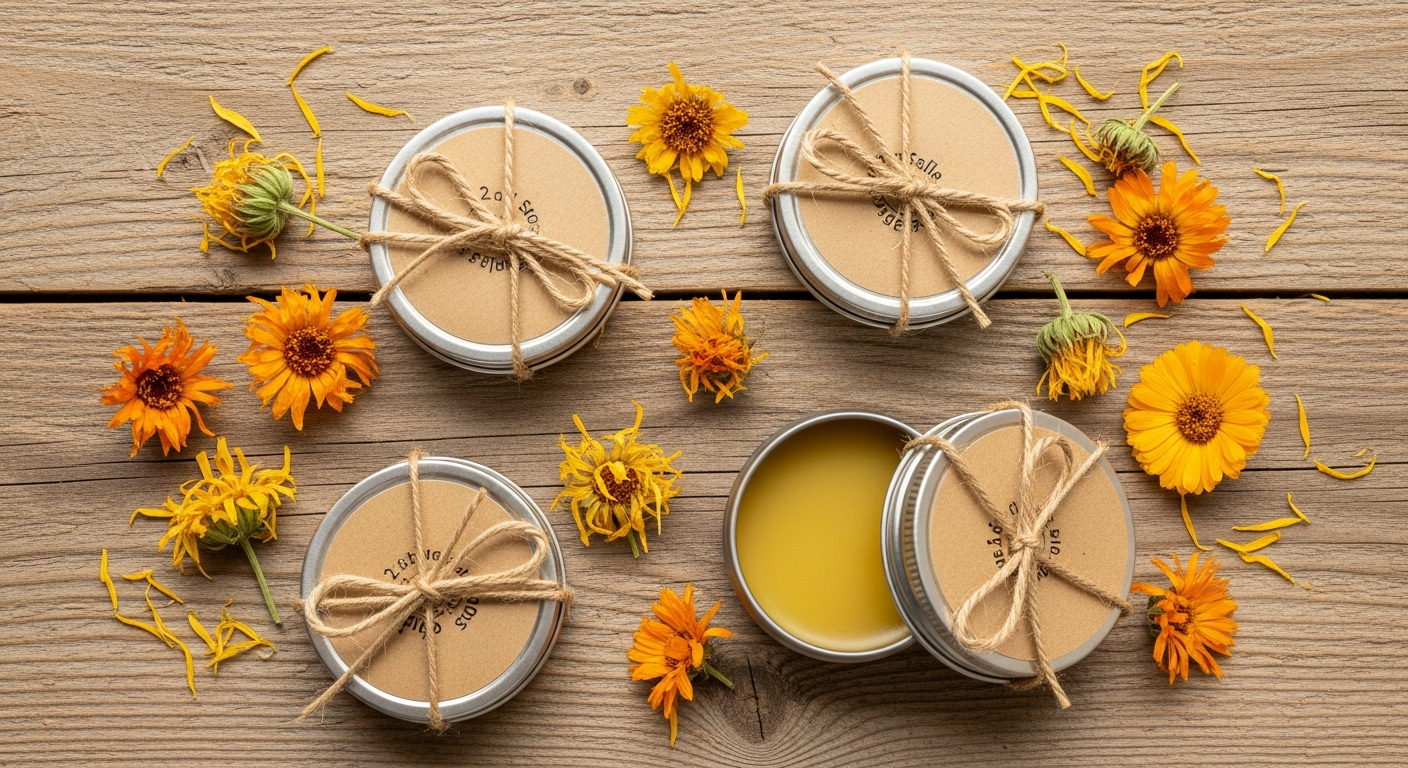
I make a double batch in April, right at the start of calendula season, and I give tins to my mom, my sister-in-law, and a few neighbors. A 2-oz metal tin, a simple kraft paper label with the date and ingredients, and a piece of natural twine — it takes about 3 minutes to put together and looks like you put in considerably more effort than you did. It's one of those gifts people actually use, which puts it in a very small category.
Calendula Salve FAQ
What is calendula salve used for?
Calendula salve is used for a wide range of skin issues, including dry and cracked skin, eczema, minor cuts, scrapes, rashes, bug bites, razor burn, diaper rash, chapped lips, and scar care. Its anti-inflammatory and wound-healing properties make it one of the most versatile herbal salves you can make at home, and it's gentle enough for babies and sensitive skin.
What not to mix calendula with?
Calendula is compatible with almost all carrier oils, essential oils, shea butter, and vitamin E — there's very little it doesn't play well with. The two main cautions: people with Asteraceae allergies (ragweed, daisies, chamomile) should patch test before use, and anyone on blood-thinning medications should check with their doctor before using herbal preparations topically on a regular basis.
Is calendula the same as marigold?
Calendula officinalis is sometimes called "pot marigold," but it's not the same plant as French or African marigold (Tagetes species). Tagetes marigolds are commonly sold at garden centers and are not interchangeable with calendula for medicinal use. If your seeds were labeled "pot marigold" or "Calendula officinalis," you're fine. If they were labeled "African marigold" or "French marigold," those are a different plant entirely.
Is calendula salve safe for babies?
Yes — calendula is one of the gentler herbs and is commonly used for diaper rash, cradle cap, and general dry skin in babies. For baby-specific batches, use sweet almond oil as your carrier (it's the most skin-compatible and the least likely to cause sensitivity) and skip the essential oils. Always do a small patch test on a baby's inner arm first and wait 24 hours before applying broadly.
Can I use calendula salve on my face?
Yes, with the right carrier oil. Olive oil is comedogenic (meaning it can clog pores), so if you're using the salve on your face, choose jojoba or sweet almond oil instead. Both have low comedogenic ratings and absorb well without leaving heavy residue. The calendula itself is well-tolerated by most skin types, including acne-prone and sensitive skin.
How long does homemade calendula salve last?
With vitamin E oil added to the recipe, homemade calendula salve lasts 12–18 months stored in a cool, dark spot. Without vitamin E, plan on 12 months. Refrigerator storage extends this to 2+ years. Label every tin with the date you made it. If the salve develops an off or rancid smell before that window, the carrier oil has oxidized — discard it and make a fresh batch.
Can I use fresh calendula flowers instead of dried?
No — and this is one of the most common mistakes beginners make. Fresh flowers contain significant moisture, and even a small amount of water introduced into your oil will cause the infusion to mold, often within a week. Always dry your flowers first: lay them on a paper towel for 24–48 hours until they've shrunk and feel dry and papery, then infuse. If you're buying dried flowers for this recipe, they're already ready to use.
Is calendula good for scars?
Yes. Calendula has been shown to support skin cell regeneration and collagen production, which can gradually soften and reduce the appearance of scars over time. It won't erase them, but regular application — daily, over weeks and months — can make a visible difference, particularly on newer scars. Use a thin layer on clean skin and let it absorb fully before covering with clothing.