Dog Breath Mints: Easy Homemade Recipe + Best Ones to Buy (2026)
Last updated March 10, 2026
You know the moment. You're settled on the couch, your dog climbs up for a snuggle, and then — whoosh — that breath hits you like a wall. If you've been there, you're in the right place.
Here's the good news: this is a fixable problem, and it doesn't require a trip to the pet store or an expensive vet visit for everyday doggy breath. I'll show you exactly how to make homemade dog breath mints with 6 simple ingredients you probably already have on hand. And for the weeks when baking just isn't happening, I've also rounded up the best store-bought options worth keeping in the cabinet.
Jump to the recipe if you're ready to bake. Or jump to store-bought picks if you need something today.
Everything here is beginner-friendly and dog-safe — I'll walk you through it.
| Prep time | 15 minutes |
| Bake time | 35–40 minutes |
| Makes | ~40 mints |
| Key ingredients | Oats, parsley, mint, egg, coconut oil |
| Dog-safe? | Yes — see safety section below |
| Shelf life | 1 week counter / 3 weeks fridge / 3 months frozen |

What Causes Dog Bad Breath? (And When It's a Vet Issue)
Most doggy breath comes down to three things: plaque and bacteria buildup on the teeth, diet (whatever your pup got into that afternoon), and occasionally, an underlying health issue that needs attention. The first two are the most common by far, and they're the ones breath mints can actually help with.
If your dog's breath is just generally unpleasant after meals or at the end of the day, that's normal. It doesn't mean your dog is unhealthy — it means they're a dog. Regular dental care helps, and so do treats that use natural deodorizing herbs like parsley and mint.
For everyday stink, breath mints — homemade or store-bought — are a great first-line solution.
Signs Bad Breath Means a Vet Visit
Take your dog to the vet if you notice any of these:
- Sudden onset of very bad breath with no dietary change — this can signal a dental infection or abscess
- Sweet or fruity-smelling breath — a possible sign of diabetes
- Urine-like or ammonia odor — can indicate kidney disease or kidney failure
- Bad breath combined with lethargy, appetite loss, or vomiting — not a dental issue; get to the vet
If any of these match, skip the mints and call your vet.
Are Dog Breath Mints Safe? (The Honest Answer About Mint)
Yes — garden mint and spearmint in small amounts are completely safe for dogs. This is the same mint used in commercial pet dental treats, and it's the reason these homemade mints actually freshen breath rather than just masking odor. Parsley is safe too, and its chlorophyll has real deodorizing properties.
That said, there's an important distinction to make here. Never give your dog a human breath mint — most contain xylitol, which is toxic to dogs and can cause serious harm even in small amounts. Altoids, Tic Tacs, sugar-free mints, sugar-free gum — all of these are off limits for your pup.
The mints in this article are made specifically for dogs. As long as you use the ingredients listed and avoid the ones called out below, they're safe to make and serve.
Ingredients to Never Put in Dog Breath Mints
- Xylitol — An artificial sweetener found in many sugar-free products. It causes a dangerous drop in blood sugar in dogs and can lead to liver failure. Check every label.
- Concentrated peppermint essential oil — Not the same as fresh mint. Essential oils are highly concentrated and can be toxic to dogs even in small amounts. Use fresh or dried herb only.
- Pennyroyal mint — This variety of mint is toxic to dogs and should never be used in any pet treat.
- Raisins or grapes — Toxic to dogs in any quantity, can cause acute kidney failure.
Homemade Dog Breath Mints Recipe
This is the recipe I come back to every time — it makes about 40 mints and they actually work. The parsley does the heavy lifting on odor, the mint freshens, and the oat base holds everything together into a real treat your dog will be excited about.
Ingredients + Why They Work
- 2½ cups old-fashioned oats, ground to flour — the base that holds everything together. You can also buy oat flour as a time-saver if you'd rather skip the blending step.
- ½ cup fresh parsley, finely chopped — chlorophyll is a naturally recognized deodorizer and the main reason these mints actually help with breath odor.
- ½ cup fresh mint, finely chopped — provides the freshening effect. If you grow mint in your garden, this is a great way to use it up. See also: what to do with mint leaves.
- 1 large egg — the binder that holds the dough together. For dogs with egg allergies, substitute ¼ cup unsweetened applesauce — it works just as well.
- 3 tablespoons coconut oil, melted — adds healthy fat and helps the dough come together smoothly. Food-grade refined coconut oil is what I use.
- ¼ cup + 1 tablespoon water — adds moisture to bring the dough to the right consistency. You may need a splash more depending on your oat flour.
Step-by-Step Instructions
- Preheat your oven to 325°F. Line a baking sheet with parchment paper.
- Pulse the oats in a blender or food processor until they reach a flour-like consistency — about 30 seconds. Set aside.
- Whisk together the parsley, mint, egg, water, and melted coconut oil in a large mixing bowl until combined.
- Add the oat flour and stir to combine, then use your hands to knead briefly until a dough forms.
- Roll out the dough to about ⅛ inch thick on a lightly floured surface.
- Cut into 1-inch shapes using a small cookie cutter, a paring knife, or the rim of a shot glass — all three work fine. Or press the dough into silicone treat molds for uniform shapes with zero rolling.
- Place ¼ inch apart on the prepared baking sheet. Bake for 35–40 minutes, until golden and firm. They should feel dry and crisp when done, not soft.
- Cool completely before serving. Store in an airtight container.
Dough troubleshooting:
- Too dry and crumbly? Add water 1 tablespoon at a time until it holds together.
- Too sticky to roll? Pop the dough in the refrigerator for 10 minutes — it firms right up.
Storage + Shelf Life
- Counter (airtight container): Up to 1 week. Make sure they're fully cooled before sealing or they'll go soft.
- Refrigerator: Up to 3 weeks — this is what I do most of the time.
- Freezer: Up to 3 months, baked or as raw dough. Thaw baked mints for about 30 minutes at room temperature before serving.
I always double the batch and freeze half. It takes almost no extra time, and having a ready supply means you're never scrambling when your pup needs a treat.
3 Easy Variations (Grain-Free, Frozen, Peanut Butter)
Once you have the base recipe down, these variations are just a quick swap away.
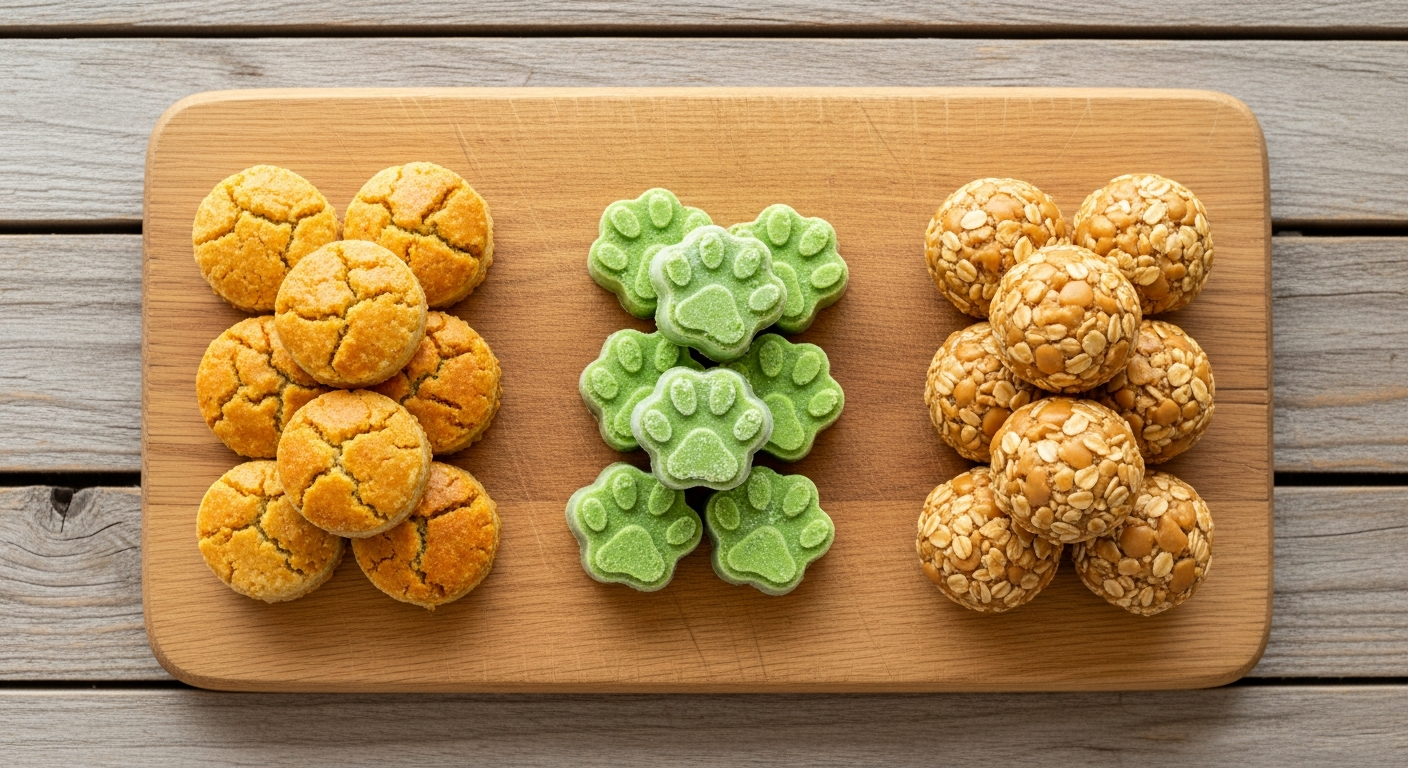
Grain-Free Dog Breath Mints
If your dog has a grain sensitivity or allergy, you don't have to skip these mints — just swap the oat flour. Coconut flour works well at the same volume, but add an extra tablespoon of water since coconut flour absorbs more moisture and can make the dough too dry otherwise. Almond flour also works and produces a slightly softer, more crumbly mint — both are good options.
No-Bake Frozen Puppermint Bites
Perfect for summer, and zero oven time. Blend ½ cup plain unsweetened yogurt with ¼ cup fresh mint, 2 tablespoons fresh parsley, and 1 teaspoon honey until smooth. Pour into silicone paw-shaped ice cube molds and freeze for at least 4 hours. Pop them out and store in a freezer bag — your dog will go crazy for these on a hot day.
Peanut Butter Mint Dog Treats
Add 2 tablespoons of peanut butter to the base dough and skip the rolling step — just roll the dough into balls instead. It's faster and the peanut butter flavor makes these extra popular with most dogs. One important note: always check the peanut butter label before using it. Some brands add xylitol as a sweetener, which is toxic to dogs. Stick with a plain, unsweetened peanut butter with no added sugar substitutes.
How Many Dog Breath Mints Can I Give Per Day?
These are treats, not dental care replacements, so it's worth factoring them into your dog's daily calorie budget — each mint is about 30 calories. A small dog has a much smaller calorie budget than a large one, and too many treats can throw off a balanced diet.
| Dog Size | Weight | Suggested Daily Max |
|---|---|---|
| Toy / Extra Small | Under 10 lbs | ½–1 mint |
| Small | 10–25 lbs | 1–2 mints |
| Medium | 25–50 lbs | 2–3 mints |
| Large | 50–80 lbs | 3–4 mints |
| Extra Large | 80+ lbs | 4–5 mints |
Always start with less when introducing a new treat — give one mint and watch for any digestive reaction before making it a daily habit.
Best Store-Bought Dog Breath Mints (For Busy Weeks)
Homemade is my first choice, but life gets busy — and there are some really good store-bought options out there. The key is reading the ingredient list before you buy. Here are the types I'd reach for first, and what to look for in each one.
Greenies Breath Buster Bites are a solid go-to for everyday use. They're designed specifically as breath treats (smaller than a full dental chew), they use real mint as an ingredient, and the reviews are consistently strong. Easy to find and reasonably priced for the bag size.
Ark Naturals Breath-Less Chews are worth considering if you want a cleaner ingredient list. Ark Naturals focuses on natural formulas and their chews hold up well on ingredient transparency. Good option if you're trying to stay close to what you'd put in a homemade treat.
TropiClean Fresh Breath Water Additive is a different approach entirely — you add a capful to your dog's water bowl and it works on breath bacteria throughout the day. I keep this on hand for weeks when I haven't had time to bake a batch. It's one of the most popular dental water additives on the market and genuinely easy to use.
A breath spray is worth having if you need a quick fix before guests arrive. A few spritzes and you're good. Look for one with enzymatic formula and no artificial ingredients.
What to Look for in Store-Bought Dog Breath Mints
- No xylitol or artificial sweeteners on the ingredient list — this is the non-negotiable one
- Real mint and/or parsley listed as actual ingredients, not just "mint flavor"
- No artificial colors or chemical preservatives — shorter ingredient lists are generally better
- VOHC (Veterinary Oral Health Council) seal — not required, but a meaningful sign of effectiveness if you see it
- Size-appropriate for your dog — small dogs should not be given large dental chews designed for big breeds
Homemade vs. Store-Bought: Which Is Better?
Here's the honest side-by-side:
| Homemade | Store-Bought | |
|---|---|---|
| Ingredient control | Full | Read the label |
| Cost per treat | ~$0.05–0.10 | ~$0.25–0.75 |
| Time | ~1 hour | Zero |
| Allergy-friendly | Easily customized | Limited options |
| Shelf life | 1 week (counter) | 6–12 months (sealed) |
| Effectiveness | Good | Good to excellent |
Do they actually work? Yes. Parsley's chlorophyll is a clinically recognized natural deodorizer, and mint provides real freshening — these aren't just flavoring agents. That said, neither homemade nor store-bought mints will reverse dental disease or replace regular brushing. For everyday odor, they genuinely help. If your dog's bad breath persists despite daily mints and a clean diet, that's when you call the vet — persistent odor is often a sign of tartar buildup or something that needs a professional dental cleaning.
Both work. Neither replaces brushing — but both beat doing nothing.
Frequently Asked Questions About Dog Breath Mints
What do veterinarians recommend for dogs with bad breath?
Vets recommend regular tooth brushing (most effective), dental chews with the VOHC seal, water additives, and professional dental cleanings for severe tartar buildup. Breath mints — homemade or store-bought — help with odor but don't address tartar. Use them alongside, not instead of, a dental care routine.
Are breath mints safe for dogs?
Homemade breath mints made with fresh garden mint and parsley are safe for dogs in moderation. Human breath mints are not safe — most contain xylitol, which is highly toxic to dogs. Never share your own mints with your pup, even as a one-time thing.
Can I use dried mint and parsley instead of fresh?
Yes. Use 1 tablespoon of dried herb for every ½ cup of fresh called for in the recipe. Fresh herbs are stronger and produce a more potent mint, but dried works well and extends your pantry options — it's a good substitution when your garden isn't producing.
How long do homemade dog breath mints last?
Up to 1 week at room temperature in an airtight container. Refrigerated, they keep up to 3 weeks. Frozen (baked or as raw dough), up to 3 months. Thaw baked mints at room temperature for about 30 minutes before serving.
Can I give these to a puppy?
For puppies under 6 months, check with your vet before introducing new treats — their digestive systems are still developing. For puppies over 6 months, break the mints into small pieces appropriate for their size and start with half a mint to watch for any reaction.
My dog has a grain allergy — what can I substitute for oats?
Coconut flour or almond flour both work well. Use the same volume as the oat flour in the recipe, but add an extra tablespoon of water if you use coconut flour — it absorbs more moisture and the dough will be too dry otherwise. Almond flour produces a slightly softer treat and doesn't need the extra water.
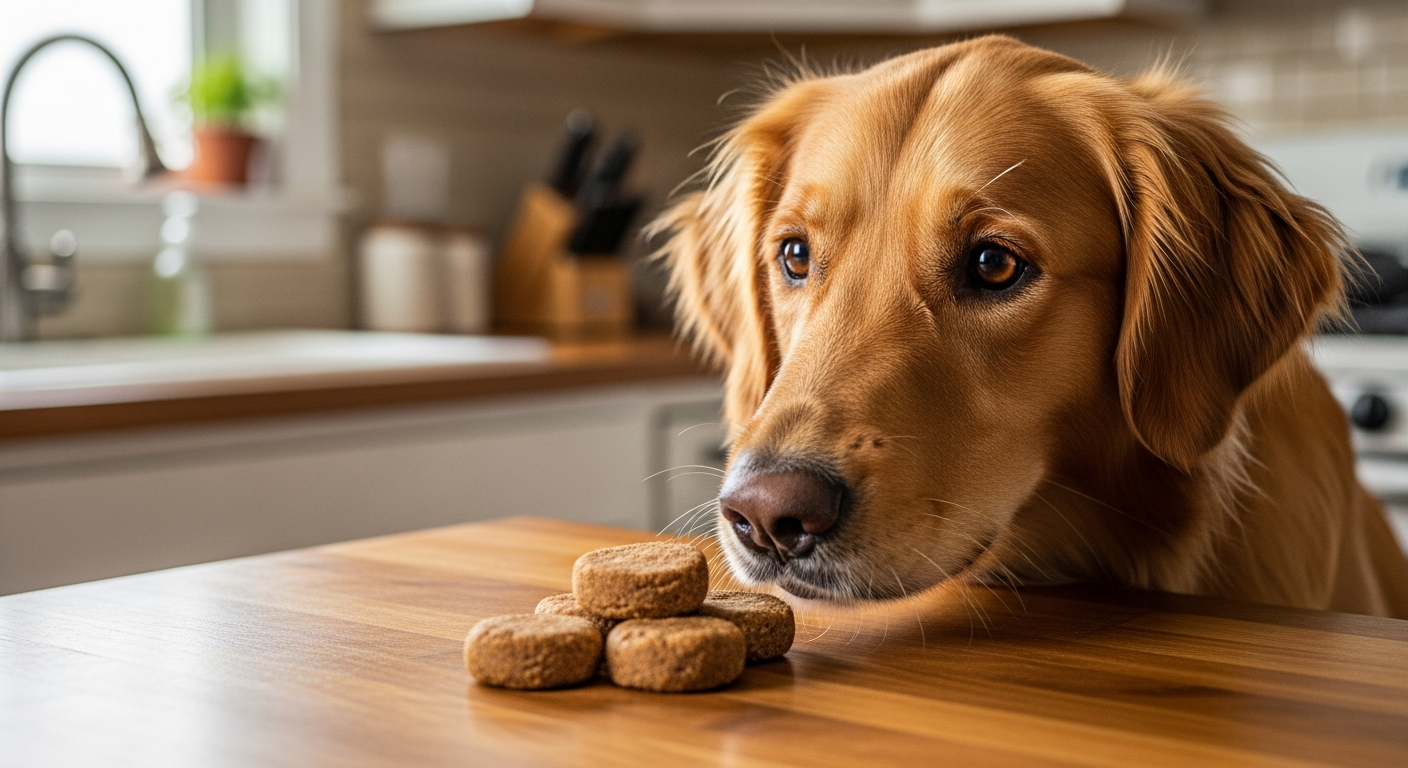
If you're new to making things at home for your pets, this is a great starting point — it's one of the easier recipes on the homestead and your dog will make it very clear that they approve. Once you've got this batch down, you might also enjoy exploring more natural pet care at home.
Have questions about the recipe or a variation that worked well for your pup? Drop it in the comments — I read every one.