Is Soap a Base or an Acid? The Plain-English Answer (+ Why It Matters for Natural Living)
Yes, soap is a base — specifically an alkaline salt with a pH of around 9 to 10, made by combining fats or oils with lye in a process called saponification.
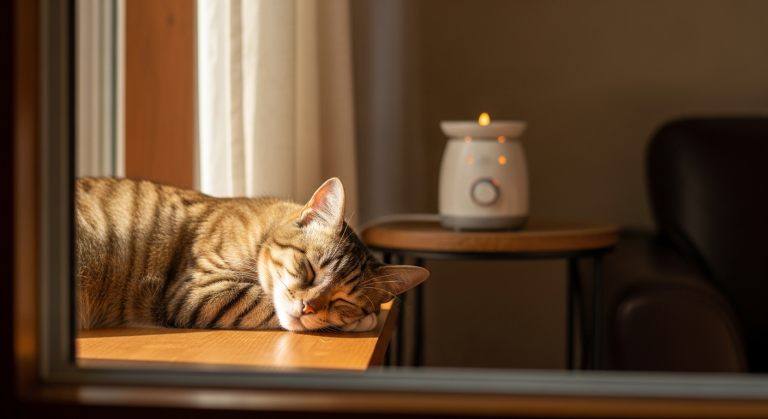
Most store wax melts use paraffin and synthetic fragrance oils. Learn which natural wax is best, how to make your own in 30 minutes, and the top brands worth buying.
Jewelweed salve is one of the most useful things you can make from a plant that grows wild in shaded spots all over the Midwest and Eastern US.
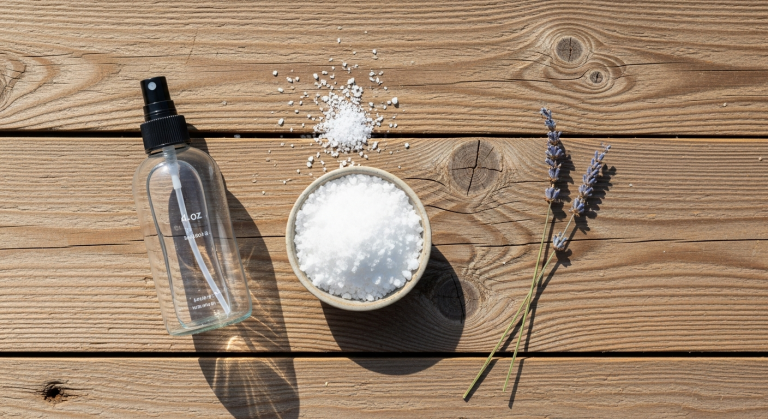
I picked up a 2-oz bottle of magnesium spray at my local co-op a few years back. The price tag said $27. I came home and made 16 ounces myself for about $2.
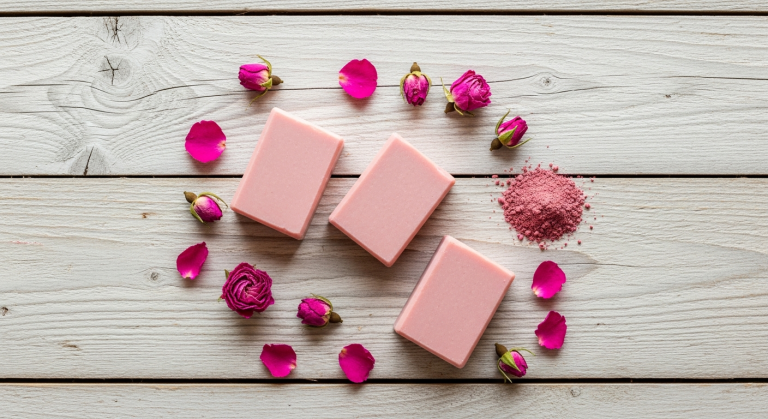
I’d been adding pink clay to my soaps for a full year before I actually understood what I was working with — turns out it’s the most beginner-friendly cosmetic clay you can start with.
I planted my first lavender with low expectations — a single plant tucked into a corner of the garden. Two years later I have five plants and far more dried lavender than I know what to do with.
The first time I tried making homemade lotion, I ended up with a hard waxy blob — because most homemade lotion recipes are actually body butter.
Soap aloe (Aloe maculata) is one of the most forgiving succulents you can grow — even cold-climate gardeners can keep it as a container plant.
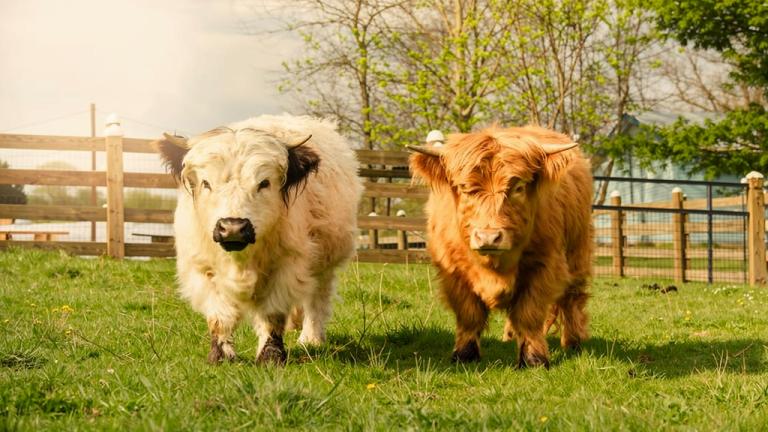
Mini Highland cows typically cost $2,500–$9,000. Here’s the real breakdown — including the first-year total nobody talks about.
Store-bought honey soap runs $7–$13 a bar. Make your own at home for under $1 a bar — no lye required for the beginner melt and pour method.