Flemish Giant Bunny: The Complete Beginner's Guide (Size, Care, and Costs for 2026)
Last updated March 2026
The first time I saw a Flemish Giant rabbit in person, I thought someone was pulling my leg. It was at a county fair, lounging in a pen like it owned the place — easily the size of a small dog, with ears the length of my forearm. I honestly had to read the sign twice.
These are real rabbits. They're not a novelty act. And once you learn a little about them, it's hard not to understand why so many homesteaders and family farms are adding them to the mix. They're calm, they're friendly, they're surprisingly easy to work with — and yes, they're enormous.
But before you fall in love with one at a fair like I did, you need to know what you're actually signing up for. A Flemish Giant is a 10-year commitment that eats through hay like it's a full-time job and needs significantly more space than a standard pet-store rabbit hutch. This guide covers everything you need to know to decide — and everything you need to set up properly if the answer is yes.
Flemish Giant Rabbit: Quick Facts
| Fact | Details |
|---|---|
| Adult weight | 15–22 lbs (some larger) |
| Body length | 2.5–4 feet nose-to-tail |
| Lifespan | 8–10 years |
| Temperament | Calm, docile, gentle |
| Good for beginners? | Yes, with adequate space |
| Minimum enclosure size | 4×8 ft hutch or pen |
| Average purchase price | $50–$300 |
| Monthly care cost | ~$50–$80/month |
What Is a Flemish Giant Rabbit?
A Quick History
Flemish Giants originated in Belgium in the 16th century, where they were bred primarily for meat and fur. Their size made them practical for small farms — more food per animal, and a coat worth keeping. Over the centuries, the breed made its way around the world, and by the time ARBA (the American Rabbit Breeders Association) standardized them for show competition, they'd mostly transitioned from farm utility animals to pets and 4-H show rabbits.
Today, Flemish Giants are recognized by ARBA in seven official color varieties: black, blue, fawn, light gray, sandy, steel gray, and white. They're one of the most well-known large rabbit breeds in the world, and for good reason — there's simply nothing else like them.
How Big Do Flemish Giants Really Get?
The average adult Flemish Giant weighs between 15 and 22 pounds and stretches 2.5 to 4 feet nose-to-tail. ARBA doesn't set a maximum weight limit for the breed, which is part of why some individuals push well beyond the typical range. The current world record holder is a rabbit named Darius, who clocked in at 49 pounds and over 4 feet long — which, yes, is the size of a medium-sized dog.
For context, a standard domestic rabbit typically weighs 4–8 pounds. A Flemish Giant is three times that size at minimum.
Here's what growth typically looks like:
| Age | Typical Weight |
|---|---|
| 8 weeks (weaning) | 2–3 lbs |
| 3 months | 4–6 lbs |
| 6 months | 8–12 lbs |
| 12 months | 12–16 lbs |
| Adult (18+ months) | 15–22+ lbs |
They're slow to mature — most don't reach their full adult size until 18 months or older. So don't be surprised if the rabbit you bring home at 8 weeks looks normal-sized for a while before it really starts to grow.
Temperament: Are Flemish Giants Really Gentle Giants?
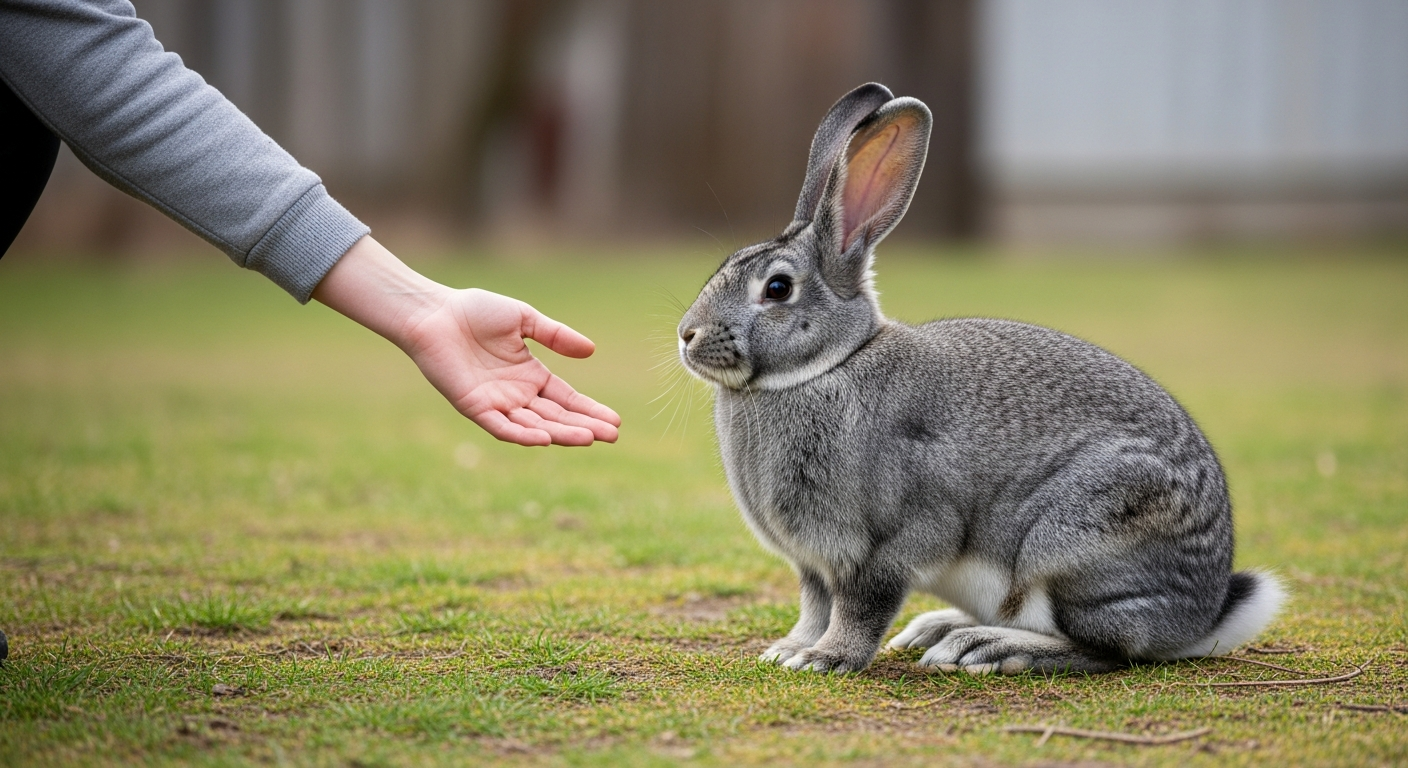
Do Flemish Giants like to be held? Generally, no — not in the traditional sense. Despite their size and calm demeanor, Flemish Giants are still prey animals, and most don't enjoy being lifted off the ground. Being picked up can actually cause serious stress for them, and a panicked large rabbit can kick hard enough to injure itself or the person holding it.
That said, they are genuinely gentle and often quite affectionate — just on their own terms. Think of them more like a big cat than a lap dog. They'll follow you around, sit beside you on the floor, nudge your hand for attention, and hang out companionably while you do chores. They interact with you — they just prefer to have their feet on the ground while doing it.
This matters a lot for families with young kids. If you have children who are going to want to pick up and carry a rabbit, a Flemish Giant may cause some frustration. The better approach is to teach kids to sit on the floor and let the rabbit come to them — which it usually will, because these animals are curious and social. I've watched even very young children develop a great bond with Flemish Giants once they learn the rules of engagement. It's actually a really good lesson in meeting an animal on its terms.
Individual personalities do vary. Some Flemish Giants are more outgoing and confident; others are shyer and take longer to warm up to new people and environments. A rabbit raised with consistent, gentle handling from a young age is going to be more relaxed overall.
Flemish Giant Lifespan: Setting Realistic Expectations
A well-cared-for Flemish Giant rabbit lives 8–10 years. Some live longer — PDSA, a UK veterinary organization, puts the upper range at up to 12 years for animals with excellent care.
You may see shorter estimates floating around online, sometimes as low as 4–6 years. That range is likely sourced from information about smaller rabbit breeds, where it's more accurate. For Flemish Giants specifically, the vetted sources — including PetMD (reviewed by licensed veterinarians) — consistently cite 8–10 years as the standard lifespan.
That means this is a real, long-term commitment. A Flemish Giant you bring home today could still be with your family when your kids are heading off to college. That's not a reason not to get one — it's actually part of what makes them such meaningful pets. But it's worth sitting with that number before you decide.
One factor that significantly affects lifespan: whether females are spayed. Unspayed female rabbits have a very high risk of uterine cancer as they age — more on that in the health section. Spaying extends their life considerably and removes that risk almost entirely.
How to Care for a Flemish Giant Rabbit
Feeding Your Flemish Giant (With Exact Quantities)
The honest truth about feeding a Flemish Giant is that hay is the whole game. Everything else is supplemental.
Here's how a healthy daily diet breaks down:
1. Timothy Hay (unlimited, always available): Hay should make up roughly 80% of your Flemish Giant's diet. It keeps their digestive system moving, wears down their teeth naturally, and gives them something to forage through all day. For a 15-pound rabbit, "their body weight in hay daily" is a lot of hay. Because they go through it so fast, buying in bulk is the smart move — a large compressed bale from Amazon costs significantly less per pound than the small bags at pet stores, and you'll be restocking constantly.
2. Pellets (100–150 grams per day for adults): Pellets are nutritionally important but easy to overfeed. Stick to the 100–150g portion for an adult Flemish Giant — more than that and you're setting them up for obesity, which leads to serious joint and health problems in a large-breed rabbit. A standard rabbit pellet blend works fine; nothing fancy required.
3. Fresh leafy greens (3–5 large handfuls per day): Good options include romaine lettuce, green leaf lettuce, kale (in moderation — it's high in oxalates), fresh cilantro, parsley, and carrot tops. Avoid iceberg lettuce (essentially no nutrition, mostly water), large amounts of fruit (high sugar), and starchy vegetables like corn or potatoes.
Fresh water should be available at all times — either a heavy ceramic crock or a large water bottle. Flemish Giants drink more than you'd expect.
Housing: How Much Space Do Flemish Giants Need?
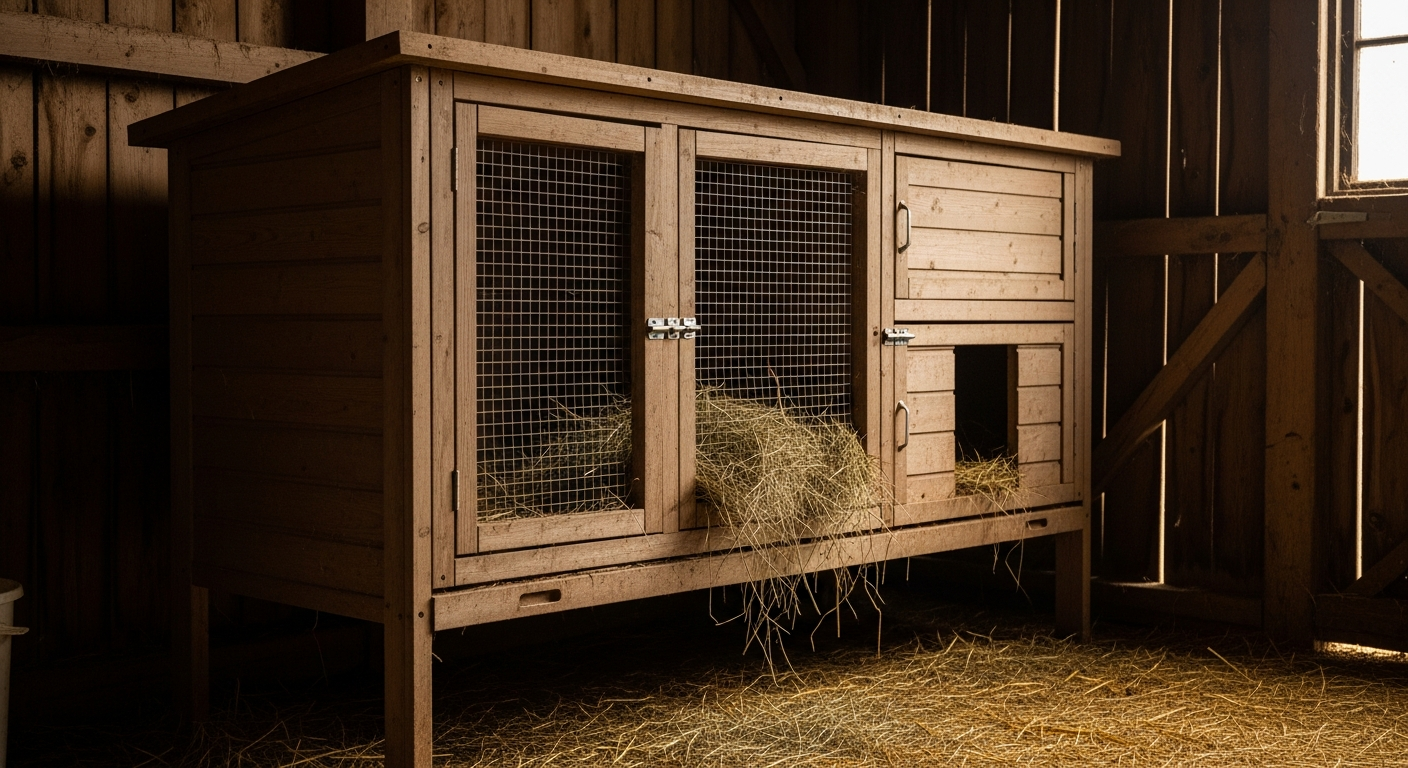
Here's something most first-time Flemish Giant owners discover the hard way: most rabbit hutches sold at pet stores are too small for this breed. A hutch labeled "large" or "XL" at a chain pet store is usually sized for a standard 4–8 pound rabbit. For a Flemish Giant, you need a minimum of a 4×8 foot enclosure — and bigger is genuinely better.
They need enough room to take three to four full hops in a straight line and to stretch out completely. They can also jump up to three feet, so your enclosure height matters if you're using a pen without a roof.
For homesteaders with a barn, a garage, or an outbuilding — you're actually in a great position here. A dedicated corner of a barn with a hutch against the wall and a small run area works beautifully for Flemish Giants. They're hardy and cold-tolerant, so a Midwest winter isn't a problem as long as they have dry, draft-free shelter with bedding to burrow into.
The one non-negotiable temperature concern is heat. Flemish Giants are heat-sensitive and can develop heatstroke in temperatures above 85°F. If they're in an outdoor hutch or barn in summer, make sure they have shade, good ventilation, and access to cool water. On very hot days, a frozen water bottle placed in their enclosure gives them something to press against.
When you're shopping for a hutch, look specifically for at least 48 inches in length — most hutches labeled for rabbits won't meet this. A dedicated large rabbit hutch or a DIY panel pen setup gives you more flexibility and usually more space per dollar.
Grooming a Flemish Giant
Flemish Giants are not high-maintenance in the grooming department, which surprises a lot of people given their size. Their coat is short to medium in length and relatively easy to maintain with weekly brushing using a slicker brush or fine-tooth comb.
The exception is shedding season. Flemish Giants shed heavily two to four times per year, and during those periods, daily brushing is worth doing — not for aesthetics, but because rabbits groom themselves by licking, and ingesting large amounts of loose fur can lead to GI blockages. A basic slicker brush is all you need; nothing fancy required.
Nails need trimming every 6–8 weeks. If you're not comfortable doing this yourself, your vet or a local groomer who handles small animals can do it quickly. Check their ears monthly for any dark debris or odor, which can indicate mites or infection.
Litter Training and Indoor Living
Flemish Giants are one of the easier rabbit breeds to litter train, which makes indoor living genuinely manageable. The key is using a large enough litter box — and here's a frugal tip that actually works better than the alternatives: a large cat litter box. Standard large cat litter boxes are the right size, easy to find, and cost half the price of litter boxes marketed for rabbits. Same job, less money.
Use paper-based litter only — never clay, clumping, or cedar. Paper pellets or recycled paper bedding are both safe and absorb well.
If your Flemish Giant is going to free-roam indoors, protect your electrical cords and baseboards before you let them out. Rabbits chew compulsively and will take out a laptop charger without hesitation. Cord protectors are cheap and worth the five minutes to set up.
Common Health Problems to Know About
Knowing what to watch for before you bring a Flemish Giant home puts you ahead of most new owners. None of these are reasons not to get one — they're just things to be aware of.
Most important — know this before day one:
Uterine cancer is the single biggest health risk for unspayed female rabbits. Studies suggest that up to 60% of intact females develop uterine cancer by age 3. That's not a small risk. The solution is simple and highly effective: spay your female Flemish Giant. The surgery removes the risk almost entirely and also tends to mellow out any hormonal behavior. If you're getting a female, budget for spaying early and treat it as standard practice, not optional.
GI stasis is a genuine emergency. It happens when a rabbit's digestive system slows or stops, and it can be fatal within 24 hours if untreated. Signs to watch for: your rabbit stops eating, stops producing droppings, seems hunched, or has a noticeably bloated belly. If you see these signs, contact a rabbit-savvy vet immediately — do not wait to see if it improves on its own.
Common and preventable:
Sore hocks are painful foot sores that develop from sitting on hard or wire flooring. Flemish Giants are especially prone to this because of their size and weight. Fix: always provide soft bedding on at least part of the hutch floor — hay, fleece mats, or a solid board section. Wire-floor hutches need a solid rest area.
Obesity comes from overfeeding pellets. Stick to the 100–150g daily portion and prioritize unlimited hay. An overweight Flemish Giant has mobility issues and is more prone to a whole cascade of other health problems.
Malocclusion (overgrown teeth) can happen if a rabbit doesn't get enough hay to wear their teeth down naturally. A hay-heavy diet is the best prevention. Check their front teeth monthly for obvious overgrowth.
Watch periodically:
Check ears monthly for dark debris or a yeasty smell, which can indicate ear mites or an infection. Both are treatable if caught early.
How Much Does a Flemish Giant Rabbit Cost?
Let's be honest about what you're getting into financially — there are no surprises if you go in with realistic numbers.
Purchase price:
| Source | Typical Price Range |
|---|---|
| Pet-quality from a breeder | $75–$150 |
| Show-quality from a breeder | $200–$400+ |
| Rescue or humane society | $30–$75 (often already spayed/neutered) |
| 4-H or local farm | $30–$100 |
The rescue option is genuinely the smartest financial move — you get an older, calmer rabbit that's often already spayed or neutered, which saves you $100–$200 in vet costs right there. Check your local humane society and rabbit-specific rescues before going to a breeder.
First-month setup costs:
| Item | Estimated Cost |
|---|---|
| Large rabbit hutch (4×8 ft or equivalent) | $100–$250 |
| Initial hay supply | $20–$40 |
| Pellets (first bag) | $20–$35 |
| Large litter box + litter | $20–$30 |
| Water crock or bottle | $10–$15 |
| Grooming brush | $10–$20 |
| First vet visit (new rabbit checkup) | $50–$100 |
| Total first-month setup | ~$230–$490 |
Ongoing monthly costs: $50–$80/month, primarily hay and pellets. For a large rabbit, hay consumption is significant — this is where buying in bulk on Amazon saves you real money over time.
Here's what I'd recommend getting started with: a large hutch (look for 48+ inches in length), a bulk bag of timothy hay, a quality rabbit pellet blend, and a large cat litter box. Those four things plus a slicker brush cover your basic setup.
Is a Flemish Giant Rabbit Right for Your Family?
If you've got a backyard, some space in a barn or garage, and kids who've been lobbying for a pet that's a little more interesting than a hamster — a Flemish Giant might be exactly what you've been missing. There's something genuinely wonderful about these animals. They have personality. They know their names. They'll greet you at the hutch door in the morning. On a homestead especially, they feel like they belong.
You're a good match if:
- You have outdoor space or a large indoor area for a proper hutch or pen
- You want a calm, interactive pet that does well with gentle older kids
- You're prepared for a genuine 10-year commitment
- You're okay with ~$50–80/month in ongoing care costs
- You have or can build a setup with soft flooring and adequate space
It might not be the right fit if:
- You're in a small apartment without space for a real enclosure
- You want a rabbit that will happily sit in your lap for hours
- You're not set up for the hay volume and consistent daily care
- You're looking for a low-maintenance starter pet
For the right family — especially families with a bit of land and kids old enough to learn how to interact gently — there really is nothing quite like a Flemish Giant. They're one of those animals that people fall hard for and keep for the rest of their lives.
Flemish Giant Rabbit FAQs
How much do Flemish Giant bunnies cost? Purchasing a Flemish Giant from a breeder typically costs $75–$150 for a pet-quality rabbit, or $200–$400+ for show quality. Rescues are often $30–$75 and may come spayed or neutered. First-month setup runs $230–$490, and ongoing care costs roughly $50–$80/month in hay and pellets.
How long do Flemish Giant rabbits live? Flemish Giants typically live 8–10 years with good care, and some well-cared-for animals live up to 12 years. You may see shorter estimates (4–6 years) online, but those figures come from smaller rabbit breeds and aren't accurate for Flemish Giants. Spaying females significantly extends lifespan by eliminating uterine cancer risk.
How big do Flemish Giant bunnies get? Adult Flemish Giants typically weigh 15–22 pounds and measure 2.5 to 4 feet from nose to tail. ARBA doesn't set a maximum weight limit for the breed, so some individuals grow larger. The world record holder, Darius, weighed 49 pounds and measured over 4 feet long.
Are Flemish Giant rabbits good pets for beginners? Yes, with adequate space and preparation. Their calm, docile temperament makes them forgiving for first-time owners. The biggest beginner challenge is space — most standard hutches are too small for this breed. If you go in knowing you need a minimum 4×8 ft enclosure and a serious hay supply, the day-to-day care is very manageable.
Do Flemish Giant rabbits like to be held? Generally no — most Flemish Giants don't enjoy being picked up. As prey animals, being lifted off the ground triggers stress instincts, and a panicked large rabbit can kick hard enough to injure itself or you. They're affectionate on their own terms though — they'll follow you around, sit beside you, and nudge for attention. Teach kids to sit on the floor and let the rabbit approach them.
Can a Flemish Giant rabbit live outside? Yes. Flemish Giants are cold-tolerant and do well in outdoor hutches or barn setups as long as they have dry, draft-free shelter. The important temperature limit is on the heat side — they're sensitive to temperatures above 85°F and can develop heatstroke quickly in summer heat. Keep their space shaded and well-ventilated in warm months.
What do Flemish Giant rabbits eat? The foundation of their diet is unlimited timothy hay — always available, it should make up about 80% of what they eat. Add 100–150 grams of quality rabbit pellets daily, plus 3–5 large handfuls of fresh leafy greens (romaine, parsley, cilantro, carrot tops are all good choices). Fresh water should always be available.
Are Flemish Giants good with kids? Yes, especially with kids who are 6 and older and can learn to interact gently. The key rule: don't try to lift them. Teach kids to sit on the floor and let the rabbit come to them — which Flemish Giants usually will, because they're curious and social. Families who follow this approach consistently report that their kids and Flemish Giants develop great bonds.