How to Make an Omelette in a Cast Iron Skillet (It Won't Stick, I Promise)
Last updated March 2026
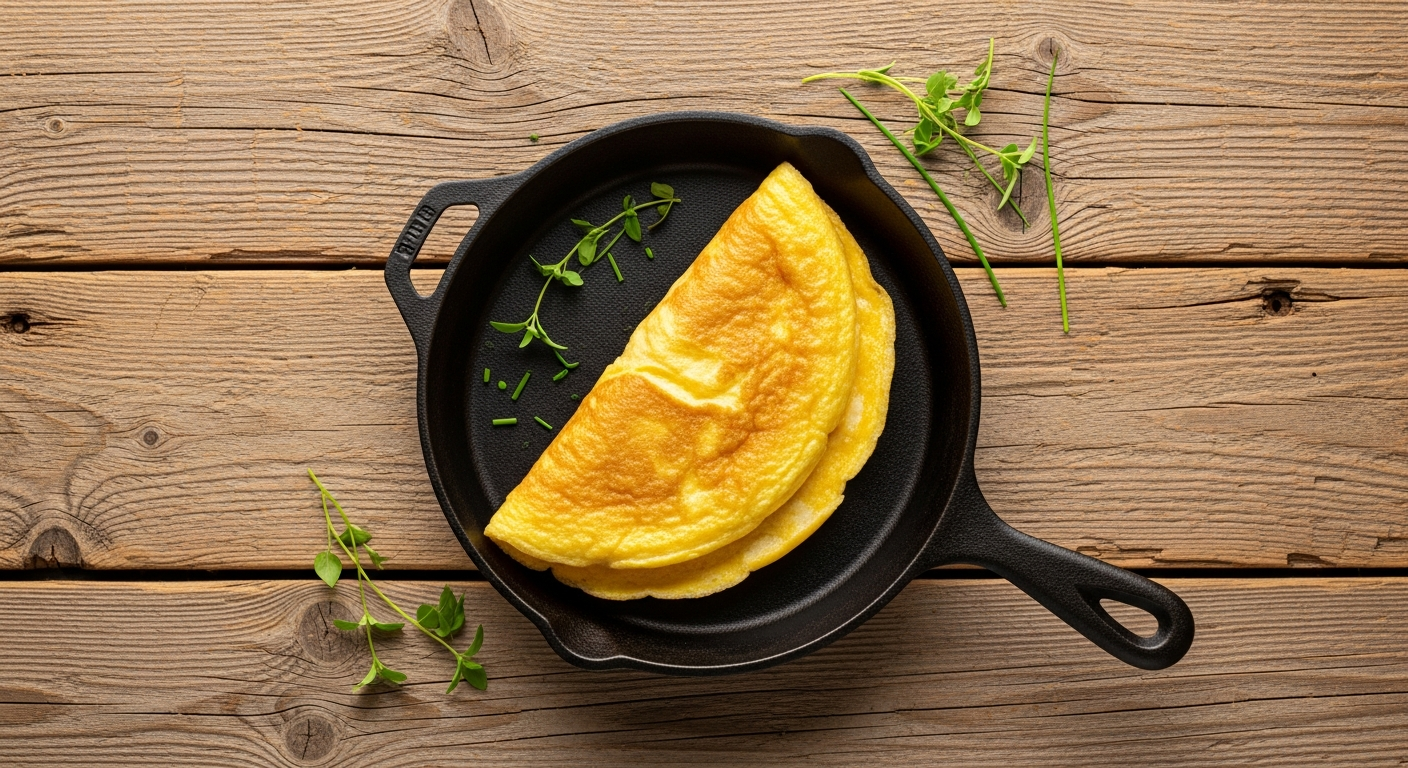
I've heard it a hundred times: eggs stick to cast iron, and omelets especially are a disaster. Here's the thing — that's only true if you're doing it wrong. I make eggs in my cast iron skillet every single morning, including omelets, and they slide right out. If you've got backyard chickens and a well-seasoned skillet, this is the breakfast recipe you've been waiting for.
The technique makes all the difference. This guide gives you everything you need to pull off a perfect cast iron omelette on your first try.
Cook time: 8–10 minutes | Servings: 1 | Difficulty: Easy
Ingredients:
- 2 large eggs
- 1 tablespoon unsalted butter
- Pinch of kosher salt
- 1 tablespoon milk or cream (optional — makes the eggs slightly softer)
- Fillings of your choice (see ideas below)
Tools: 10-inch cast iron skillet, silicone spatula, small bowl
Can You Make an Omelette in Cast Iron? (Yes — Here's Why It Works)
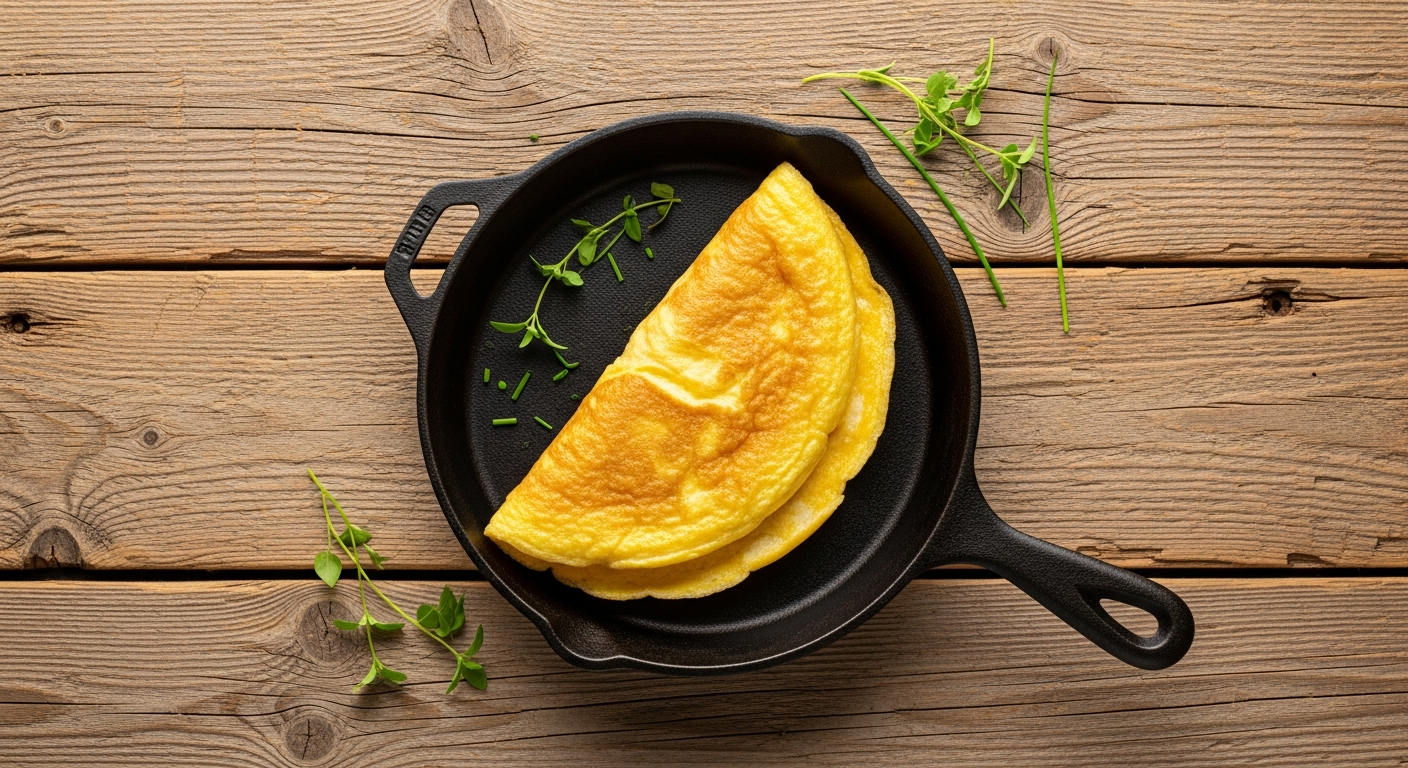
Yes, absolutely — and once you understand why it works, you'll stop second-guessing yourself. Cast iron, when properly preheated, distributes heat evenly across the entire cooking surface. That means no hot spots cooking one part of your egg faster than the rest. Add a generous tablespoon of butter that coats the pan fully, and a well-seasoned skillet becomes an excellent surface for eggs.
The times it doesn't work are specific and fixable. A cold pan means the eggs hit metal before the surface is ready to release, and they stick. Too much heat makes the eggs cook too fast, turning them rubbery and causing them to grab onto the pan surface. And skimping on butter — thinking you can get away with half a teaspoon — is the most common reason for a mess.
Use enough butter, preheat properly, keep the heat at medium (not medium-high), and cast iron is genuinely excellent for omelets. It's what I use, and I'd rather wrestle with my seasoning than give up cast iron for a nonstick pan.
How to Make a Cast Iron Omelette (Step-by-Step)
-
Preheat the pan. Set your cast iron skillet over medium heat and leave it for 2–3 minutes. This is non-negotiable. Cast iron takes longer to heat than other pans, but once it's hot, it holds that heat beautifully and evenly. A cold start is a stuck omelette.
-
Whisk your eggs. Crack 2 eggs into a small bowl, add a pinch of salt, and if you're using it, the splash of milk or cream. Whisk until completely combined — no white streaks left.
-
Add butter generously. Drop in 1 tablespoon of butter and swirl it around the entire pan, including up the sides. If it immediately turns brown and smells nutty before you've even added eggs, your pan is a touch too hot — reduce the heat slightly and start with fresh butter. The butter should foam and sizzle, but not burn.
-
Pour in the eggs and start moving them. Add the eggs immediately and begin stirring gently with your silicone spatula, making small circles while shaking the pan slightly at the same time. This motion creates an even, flat layer of egg across the pan rather than lumpy scrambled clumps.
-
Let the base set. Once you have a uniform disk of egg, stop stirring and let it cook undisturbed for 30–45 seconds. The bottom will set while the top stays slightly glossy — that's exactly what you want. If the top is fully matte and dry, you've gone a hair too long, and folding will crack the omelette.
-
Add your fillings to one half. Cheese goes on first, always — it needs the most time to melt from the residual heat. Layer other fillings on top of the cheese, and keep everything on one side of the egg only.
-
Fold and serve. Slide the spatula under the unfilled half and fold it over the filling. Tilt the pan toward a plate and let the omelette slide out onto it. That's the whole thing.
Filling Ideas (Classic and Garden-Fresh)
Classic combinations:
- Sharp cheddar + crispy bacon + sautéed onions — the reliable everyday omelette that everyone likes
- Swiss + mushrooms + fresh thyme — earthy and satisfying, especially with a good quality Swiss
- Pepper jack + roasted peppers + a spoonful of salsa — quick and punchy, good for using up leftover peppers
From the garden:
- Zucchini + fresh basil + goat cheese — peak summer, especially good when the zucchini is tender and small
- Spring onions + dill + cream cheese — one of my favorites in early spring, especially with fresh backyard eggs
- Cherry tomatoes + garden herbs + feta — late summer when everything is ripening at once
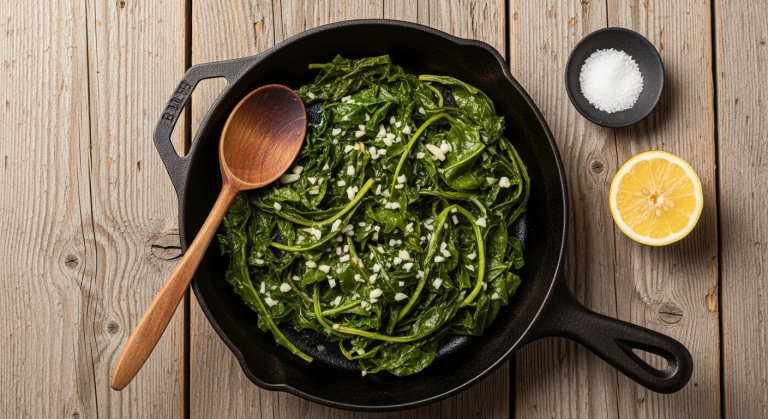
- Sautéed kale + sharp cheddar + garlic — works any time of year and makes a filling enough breakfast to carry you through morning chores
The one rule: Pre-cook anything that needs heat before it goes in the omelette. Warm eggs melt cheese beautifully, but they can't cook raw mushrooms, peppers, or sausage from scratch. Sauté or cook your additions first, then set them aside while you make the egg.
Oven Skillet Omelette (A Thicker Variation)
If "omelette in cast iron in the oven" is what you had in mind, this is the method. It's thicker, more like a cross between an omelette and a frittata, and you don't have to fold anything.
Follow the recipe through step 5 — your eggs should have a set base and a glossy top. Instead of folding, spread your fillings across the entire surface of the egg. Slide the skillet into a 375°F oven and bake for 3–5 minutes, until the top is fully set and no longer glossy.
Cut into wedges and serve straight from the pan. This works especially well when you're feeding two or three people from one skillet, or when you've loaded up the fillings and folding would just make a mess.
Troubleshooting: When Things Go Wrong
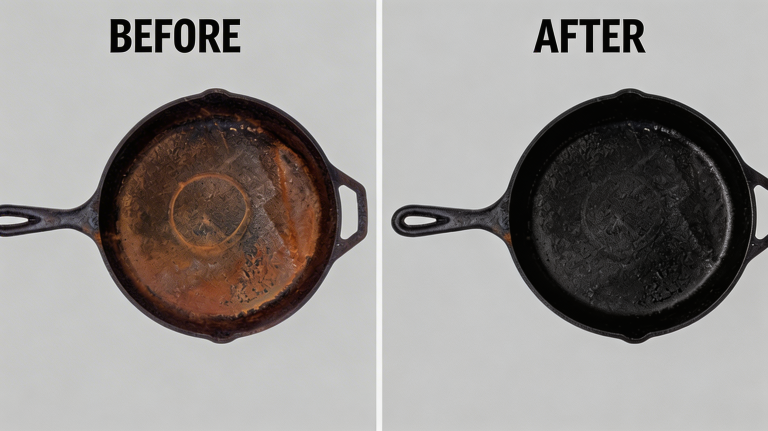
Eggs stuck to the pan: Your pan wasn't preheated long enough, or you didn't use enough butter. Try again with a full 3-minute preheat and a generous tablespoon of butter covering the whole surface. If your cast iron has rough or patchy spots in the seasoning, that can also contribute — give it a re-seasoning round before trying again.
Omelette broke when folding: The eggs were cooked past the right moment. When you fold, the top of the egg should still look slightly wet and glossy. Once it's fully set and matte, the egg is too rigid to fold without cracking. Pull back on the cook time next time — the eggs finish cooking from residual heat after you fold.
Eggs turned rubbery: Heat was too high or the eggs cooked too long. Medium heat is enough for cast iron — it holds and radiates heat well, so you don't need to push it. If your stovetop runs hot, try medium-low and adjust from there.