Where to Find Ground Cherries Near You (+ How to Grow a Ridiculous Harvest at Home)
Last updated March 12, 2026
Looking for ground cherries near you?
- Buy fresh now: Farmers markets (late July–October) are your best bet. Food co-ops and natural grocers sometimes carry them. Regular grocery stores almost never do.
- Grow your own: Start seeds indoors 6-8 weeks before last frost — same as tomatoes. One plant produces hundreds of fruit.
- Also called: husk cherry, cape gooseberry, Physalis — ask for these names if you can't find "ground cherries"
What Are Ground Cherries? (They're Not Actually Cherries)
Ground cherries have been growing in Pennsylvania Dutch gardens since at least 1837 — recorded in horticultural literature that long ago — and somehow most people have still never heard of them. That's exactly what makes finding them feel like a discovery.
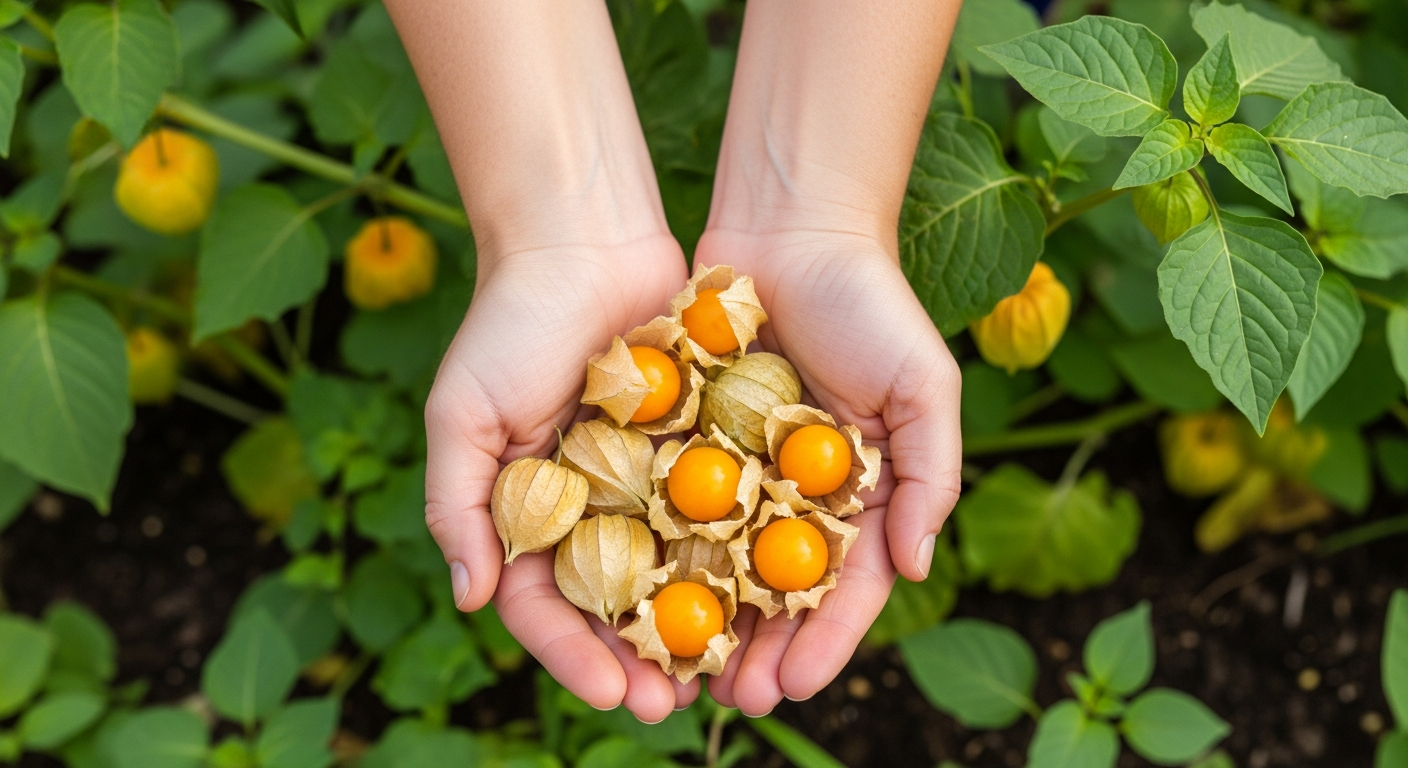
I spotted my first ground cherry at a farmers market a few years back and had absolutely no idea what I was looking at. There was a little table with these papery husks that looked like miniature Chinese lanterns — like someone had shrunk a tomatillo down to marble size. I picked one up and the farmer asked if I'd ever tried them. I hadn't. She peeled back the husk, handed me the little golden fruit inside, and that was it — I was hooked.
Here's what you need to know: ground cherries are not actually cherries at all. They're related to the tomatillo — both are in the Physalis genus — and they grow inside that same distinctive papery husk. The fruit inside is golden yellow when ripe, about the size of a large marble. And the flavor is nothing like a cherry. It's tropical — "a combination of banana and pineapple with a hint of muskiness," as one seed company puts it, and they're not wrong. Some describe it as more pineapple and vanilla. Either way, when you pop one out of its husk and eat it fresh, it tastes like summer in a way that nothing else quite does.
They go by several names depending on where you're shopping: husk cherry, cape gooseberry, and Physalis pruinosa are the most common. Keep those alternate names in your back pocket — you'll need them.
When Are Ground Cherries in Season?
Ground cherries are a late-summer and fall crop. In most of the US, they're available from early August through October, when the first hard frost kills the plants. Peak season at farmers markets is August and September — that's when you're most likely to find them.
Regional breakdown:
- Midwest and Northeast: Early August through October (frost ends the season)
- South and Pacific Coast: Season can stretch into November
- Farmers market peak: August–September in most areas
One important note if you're heading out to look for them: ground cherries are not available in spring or winter. The plants take 75–90 days to mature from transplant, so even if a farmer starts seeds in April, the fruit won't be ready until July or August at the earliest. If you search for them in May and come up empty, that's not a supply problem — it's just timing. Come back in mid-August.
Where to Find Ground Cherries Near You
Here's the honest guide to where you'll actually find ground cherries — in order of how likely you are to succeed.
1. Farmers Markets — Your Best Bet
Farmers markets are by far your best shot at finding fresh ground cherries. Small farms grow unusual heirloom varieties like these specifically because they can sell direct to customers who appreciate them — the varieties that don't make it to chain grocery stores are exactly the ones you'll find at a Saturday morning market.
Timing matters: start checking in early August and keep going through late September. They go fast — if a farm has them, they'll usually sell out before noon.
A few tips that will help:
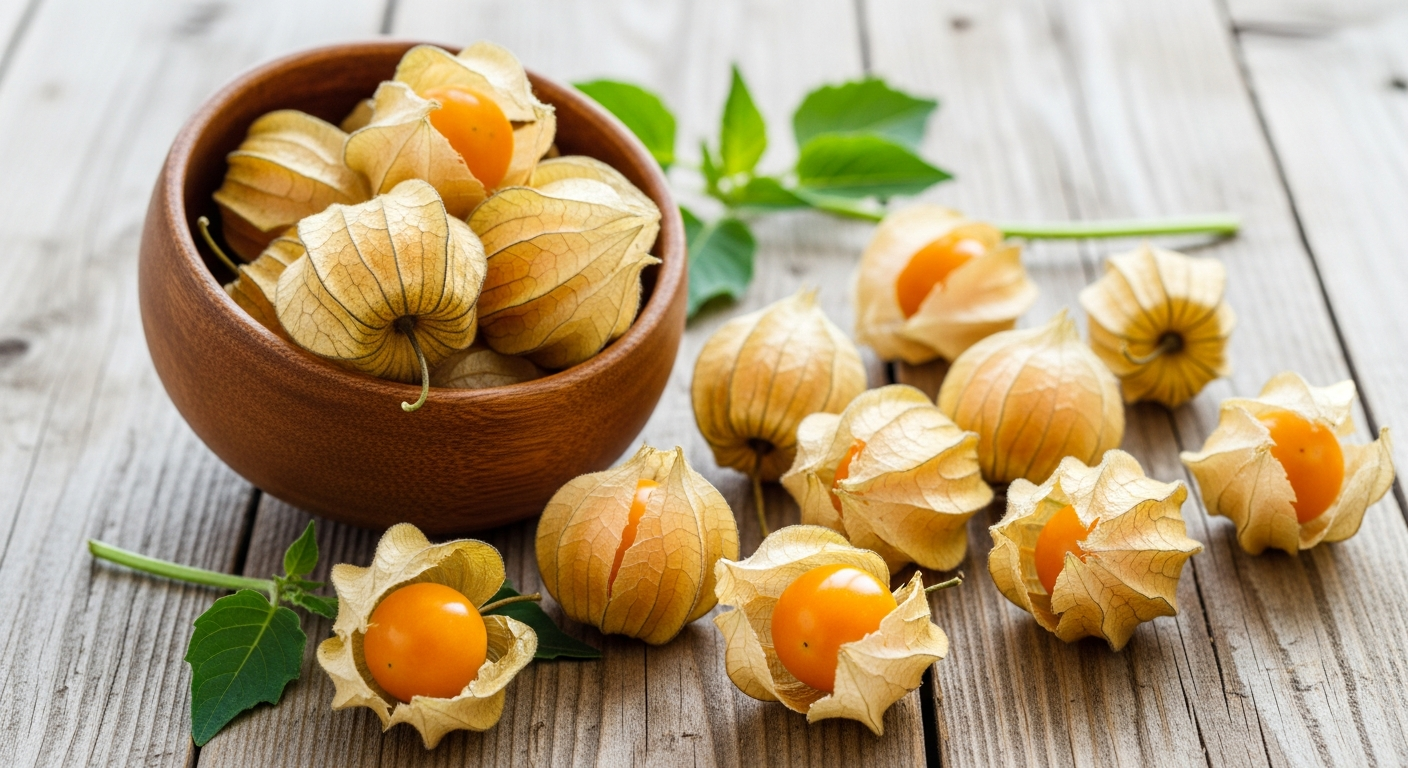
- Look for papery husks that look like small lanterns — they're distinctive and easy to spot even from a distance
- Ask the vendor for "husk cherries," "cape gooseberries," or "Physalis" — not every farmer labels the same variety the same way
- If you don't see them on the table, ask anyway — sometimes they're in the back or at a different table
- Use LocalHarvest.org to find farmers markets and farms near you that grow heirloom varieties
2. Food Co-ops and Natural Grocery Stores
Natural food co-ops are your next best option after farmers markets. Independent co-ops — the kind that stock unusual local produce in the summer — are more likely to carry ground cherries than any chain retailer. Whole Foods sometimes stocks them in late summer, usually in small clamshells for around $5–8 — pricey for a small amount, but it's a good way to taste them before committing to growing your own.
Regular grocery stores — Kroger, Walmart, Publix, and most mainstream chains — almost never carry them. They're an heirloom variety grown by small farms, and they don't have the shelf life or supply chain infrastructure to reach big retail. If you've already checked your regular grocery store and come up empty, that's completely normal. You're not missing a display — they're genuinely not there.
One rule: if you see them at a co-op or natural grocery, buy them. They don't always restock, and you may not get a second chance that season.
3. CSA Shares and Farm Boxes
A CSA (community-supported agriculture) is a subscription arrangement where you pay a farm up front for a weekly or bi-weekly box of produce throughout the growing season. Small CSA farms love growing unusual heirloom varieties, and ground cherries are a classic late-summer surprise box item.
If you're already in a CSA, ask your farmer directly — they may grow them without advertising it. If you're not in a CSA, LocalHarvest.org has a CSA finder tool where you can search by zip code. Look for farms that list heirloom varieties or unusual produce — those are the ones most likely to include ground cherries.
4. Farm Stands and U-Pick Farms
Ground cherries have been a staple at roadside farm stands in Pennsylvania and the Midwest since the 1800s — they're "still common today at roadside stands in late summer," and in agricultural communities, they're more familiar than most people realize. It's suburban and urban areas where they've become obscure.
If you're in farm country in August, it's worth calling ahead to roadside stands before you drive out. They're not always advertised on websites or social media — sometimes it's just a hand-lettered sign by the road. U-pick farms that grow tomatoes and peppers often grow ground cherries alongside them, since the growing conditions are identical.
5. Asian Grocery Stores (Look for "Cape Gooseberries")
This is a tip most people don't know about: cape gooseberries — the same fruit as ground cherries — are sometimes sold at South Asian and Southeast Asian grocery stores, where they're used in cooking and desserts. If you have a larger Asian grocery near you, check the specialty produce section and ask for "cape gooseberry."
The advantage here is availability: unlike farmers market season, some Asian grocery stores carry imported cape gooseberries year-round. The price and quantity vary, but it's worth checking if you live near one and the farmers market season is over.
6. Order Online — Seeds Are Available Year-Round
If you've tried the sourcing options above and come up empty, the most reliable path forward is growing your own. Ground cherry seeds are available year-round from online seed companies and on Amazon — a single packet of Aunt Molly's heirloom ground cherry seeds typically runs $3–5 and will give you more plants than you'll know what to do with.
This is what I ended up doing after my first farmers market encounter: I couldn't find them reliably near me, so I ordered seeds and decided to grow my own. Two plants later, I was giving ground cherries to everyone I knew.
How to Grow Ground Cherries at Home (Easier Than Tomatoes)
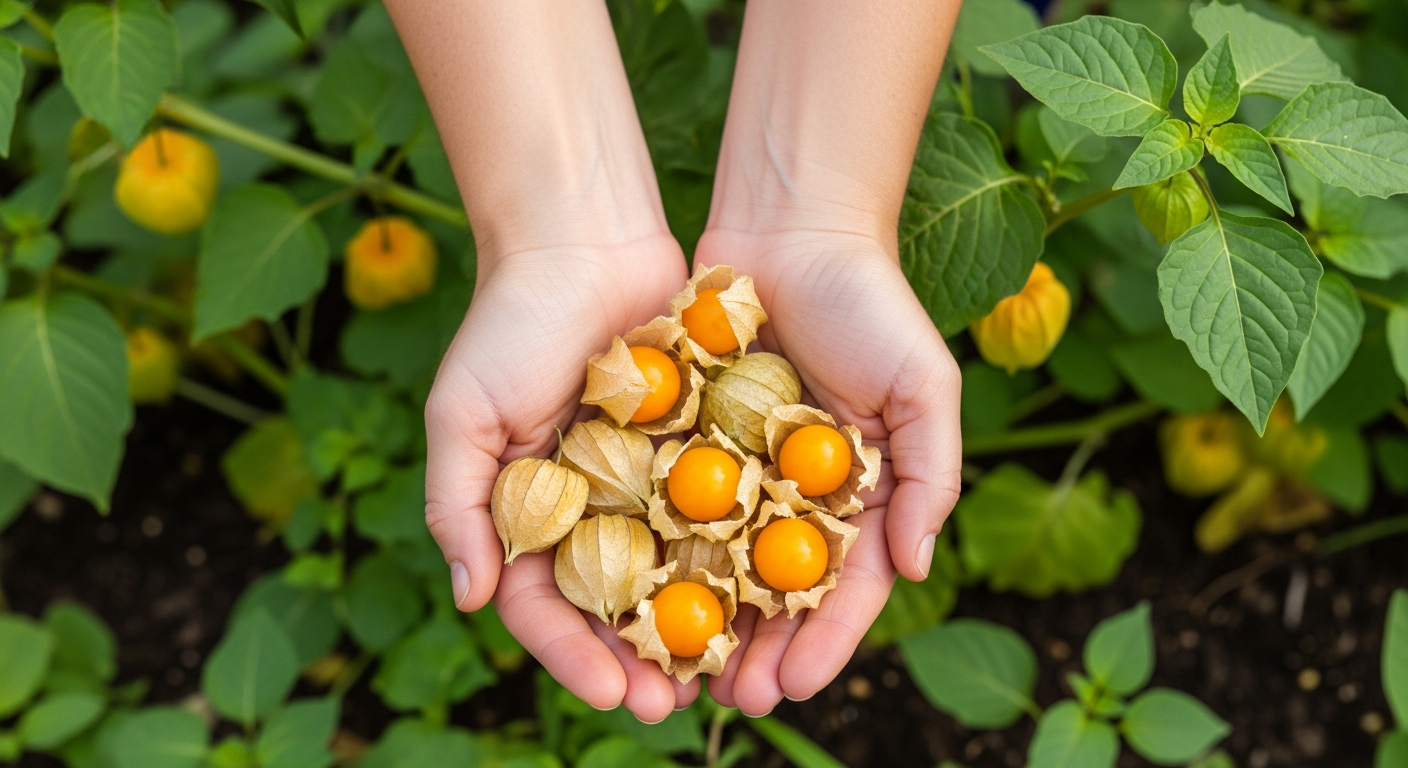
If you've tried all the sourcing options above without luck, here's the good news: growing your own is genuinely easier than finding them at a store, and one or two plants will produce more fruit than your family can eat. I planted two plants my first year and spent the rest of the summer pressing paper bags of ground cherries on neighbors who had no idea what they were.
If you can grow tomatoes, you can grow ground cherries — and honestly, these are more forgiving. They're drought tolerant once established, they don't need constant pruning, and they'll produce until the first hard frost without much attention from you.
Starting Seeds Indoors
Start ground cherry seeds indoors 6–8 weeks before your last frost date — the same timing as tomatoes. If you start tomatoes in late February or early March, start ground cherries at the same time.
A few things to know before you start:
- Seeds are very slow to germinate — 14–20 days is normal. Don't give up on them at day 10. Keep the soil warm and moist and wait.
- Soil temperature matters: Ground cherry seeds germinate best at 75–85°F. A seedling heat mat speeds up the process significantly, but a consistently warm spot indoors — on top of the refrigerator, near a heating vent — can work too.
- Transplant after last frost when nighttime temps are reliably above 55°F — same rule as tomatoes.
- Seeds ordered now can be stored in a cool, dry location until you're ready to plant.
Growing and Harvesting
Once your ground cherry transplants are in the ground, the main thing to know is how big these plants get. I cannot stress this enough: give them more space than you think they need. Ground cherry plants grow 4–5 feet wide and 4–5 feet tall. I planted my first one too close to the fence and it took over the whole bed. Space them at least 4 feet apart.
Beyond that, they're low-maintenance. Full sun, well-drained soil, and moderate water is all they need. Here's what to expect through the season:
- Fruit drops from the plant when ripe — check the base of the plant daily and gather them. This is how you know they're ready.
- Green fruit that falls early can ripen on your counter — set it on a windowsill for a few days. Never eat green ground cherries; they're mildly toxic until fully ripe.
- Plants bear until hard frost — you'll be harvesting all the way into October in most areas.
- They self-seed enthusiastically — if you leave any fruit on the ground, you may have volunteer plants next year. That's free plants.
How to Store Ground Cherries
The husk is your friend — leave it on until you're ready to eat. Ground cherries stored in their papery husks last far longer than most fresh fruit.
Here's how long they keep:
- Room temperature (in husk): 2–3 weeks
- Refrigerator (in husk): 3–4 weeks
- Freezer: Hull them, freeze on a sheet pan until solid, then transfer to a bag. They freeze well and are great for jam and pie all winter.
One rule: don't wash them until you're ready to use them. Moisture gets trapped in the husk and shortens shelf life. Store them dry, husks on, and you'll have fresh ground cherries long after farmers market season is over.
5 Delicious Ways to Use Ground Cherries
Once you have a supply of ground cherries — whether from a farmers market or your own garden — here's what to do with them:
-
Snack raw. Pop them out of the husk and eat them fresh. They're sweet, a little addictive, and kids who are skeptical of unusual fruit usually end up eating them by the handful.
-
Ground cherry jam or preserves. Ground cherries have high natural pectin, which means they set easily without needing added pectin. The jam has a unique tropical flavor that pairs well with everything from toast to brie. It's one of the easiest jam projects you can do.
-
Ground cherry pie. Pennsylvania Dutch cooks have been making ground cherry pie for generations — customers describe it as "the best pie ever." The flavor is somewhere between a custard pie and a fruit pie, and it's worth the effort.
-
Salsa verde substitute. Ground cherries and tomatillos are close botanical relatives, and you can substitute them 1:1 in any salsa verde recipe. The flavor is slightly sweeter than tomatillo, which makes an excellent salsa.
-
Dehydrated snacks. Dry them at 135°F until they're chewy — the result is like a sweet, slightly tropical raisin. They're great in trail mix or baked goods, and they store well for months.
FAQ
What is another name for ground cherries? Husk cherry, cape gooseberry, and Physalis are the most common alternate names. Botanically, they're Physalis pruinosa. In Asian markets, you'll often find them labeled "cape gooseberry." In Pennsylvania Dutch communities, they've been called "ground cherries" for over 200 years.
What is the season for ground cherries? Ground cherries are in season from late July through October in most of the US. Peak availability is August and September. They're killed by hard frost, so the season ends when fall sets in. Fresh ground cherries are not available in winter or spring.
Do ground cherries taste like cherries? No — despite the name, they taste nothing like cherries. The flavor is tropical: a mix of pineapple, vanilla, and banana with a slight muskiness. They're more similar to a sweet tomatillo than any kind of cherry.
Can I find ground cherries at Walmart or regular grocery stores? Rarely, if ever. Ground cherries are an heirloom variety grown by small farms and don't make it to mainstream grocery chains. Your best bet is a farmers market, food co-op, or natural grocery store in late summer.
Are green ground cherries safe to eat? No. Green ground cherries are mildly toxic and should not be eaten. Wait until the fruit inside the husk turns golden yellow. If a green one fell off the plant early, set it on your counter for a few days — it will ripen and turn yellow when it's ready.
How long do ground cherries last after picking? Kept in the husk, ground cherries last 2–3 weeks at room temperature and 3–4 weeks in the refrigerator. This is one of their best features — they last much longer than most fresh fruit.
Are ground cherries the same as cape gooseberries? Yes. They're the same fruit (Physalis). "Cape gooseberry" is the name more commonly used in Europe, South Asia, and Asian grocery stores. The flavor and growing habits are identical.
What do ground cherries look like? They look like a small tomatillo — a marble-sized fruit inside a papery, lantern-shaped husk that turns tan when ripe. The fruit inside is golden yellow when ready to eat. At a farmers market, the distinctive husks make them easy to spot from a distance.