How to Grow Alpine Strawberries — The Tiny Berry with the Most Flavor in Your Garden
Last updated March 9, 2026
The first time I tasted an alpine strawberry, I was completely caught off guard. I’d grabbed one from a row of plants being used as garden edging at a farm we visited — small, barely the size of my thumbnail — and the flavor hit me like something had been turned all the way up. It tasted more like a strawberry than any strawberry I’d ever bought. The whole patch had started from a five-dollar seed packet. I went home and ordered seeds that same evening.
| Also called | Woodland strawberry, Fraises des Bois |
| Type | Perennial — comes back every year (Zones 3–9) |
| Flavor | Intensely sweet — strawberry + pineapple + floral |
| Fruit season | Late spring through first frost |
| Runners? | Most varieties do not spread |
| Start from seed? | Yes — easy and inexpensive |
| Time to first berry | ~4–6 months from seed |
| Best for | Edging paths, containers, small gardens |
| Difficulty | Beginner |
What Are Alpine Strawberries (And Why Should You Grow Them)?
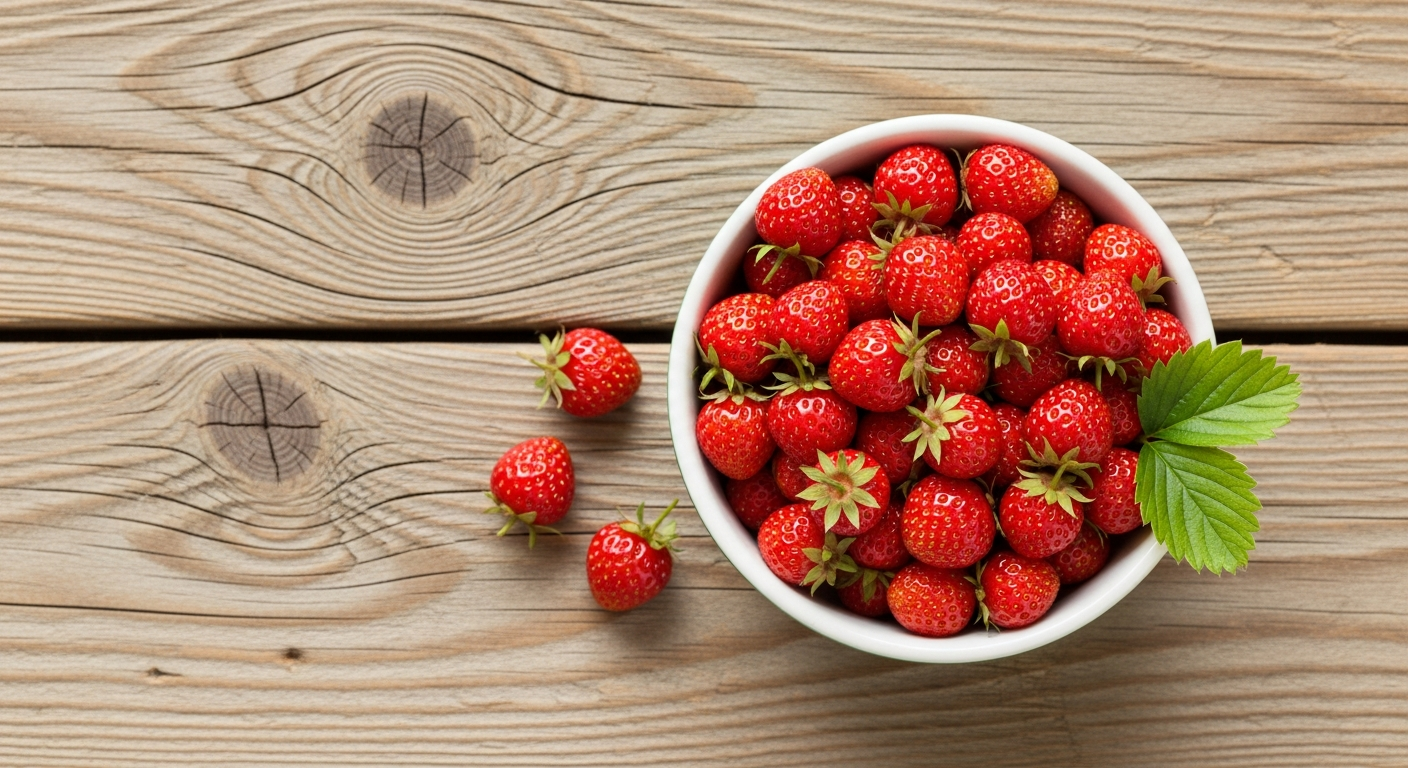
Alpine strawberries are a different species from the regular garden strawberry — smaller fruit, a flavor that’s about three times more concentrated, and a growing habit that’s genuinely easy to manage. Unlike regular strawberries, which give you one big flush of fruit and then shut down for the season, alpine strawberries are everbearing. They produce continuously from late spring all the way through the first frost, giving you a daily handful of something extraordinary rather than a single overwhelming harvest. They also don’t spread via runners, so they stay exactly where you put them — tidy little mounds, perfect for edging a garden path or filling a container on the porch.
The frugal case is hard to argue with: a packet of alpine strawberry seeds costs around $3–5 and will yield 50 or more plants. Buying that same number of nursery transplants would cost you $700 or more at standard nursery prices. Once they’re established, they come back every year for 2–4 seasons without replanting. For flavor, for ease, and for the value of what you get per dollar and per square foot of garden space, alpine strawberries are one of the best plants you can add to a home garden.
Alpine Strawberries vs. Regular Strawberries
These aren’t alternatives to each other — they’re different crops for different purposes. Here’s how they compare:
| Alpine Strawberries | Regular Strawberries | |
|---|---|---|
| Fruit size | Small (thumbnail-sized) | Large |
| Flavor | Intensely aromatic and sweet | Milder; can be watery |
| Season | Everbearing — late spring through frost | One main flush per year |
| Runners | Usually none | Yes — spreads aggressively |
| Shade tolerance | Fruits in partial shade | Needs full sun |
| Harvest volume | Daily handfuls | Large seasonal harvest |
| Best for | Fresh eating, edging, containers | Jam, large harvests |
I grow both. The regular strawberries fill a colander in June. The alpines give me a small handful of something extraordinary every single day from May to October.
Alpine Strawberry Varieties — Red, White, or Yellow?
Part of the fun with alpine strawberries is that you have real variety choices — and the color differences aren’t just aesthetic. White and yellow varieties have a practical advantage that red ones don’t: birds ignore them. If you’ve had regular strawberries disappear the moment they ripen, switching to a white or yellow alpine variety is the low-effort fix. One thing to know about white varieties: they don’t change color when they’re ripe, so you have to learn a different ripeness cue (more on that in the harvesting section).
| Variety | Color | Flavor Notes | Runners? | Best for |
|---|---|---|---|---|
| Alexandria | Red | Classic intense strawberry flavor | No | Best beginner choice; widely seed-available |
| Rugen (Rügen) | Red | Sweet, very productive | No | High yield; ideal for edging rows |
| Baron Solemacher | Red | Rich, heirloom flavor | No | Heirloom growers |
| White Soul / White Solemacher | White/cream | Sweeter, more delicate | No | Avoid bird theft — birds leave white berries alone |
| Yellow Wonder | Yellow | Pineapple-forward | No | Unique novelty; conversation starter |
| Pineapple Crush | Pale yellow | Tropical blend | No | Standout flavor; harder to find as seed |
If you’re starting for the first time, I’d go with Alexandria. The seeds germinate reliably, the plants produce well, and the flavor will make you a convert immediately. I’ve linked both Alexandria and Rugen seed packets below — those are the two I’d start with.
How to Grow Alpine Strawberries from Seed
When to Start Seeds
Start alpine strawberry seeds 8–10 weeks before your last frost date. For most of the US, that means late January through February for an April or May transplant. If you’re not sure of your last frost date, search “[your city] last frost date” — it takes about thirty seconds to find.
What You’ll Need
Here’s the honest list. The seeds are the main expense; everything else is reusable for years of starting.
- Alpine strawberry seeds (Alexandria or Rugen are the easiest to find and grow)
- Seed starting tray with small cells
- Seed starting mix (not regular potting soil — it’s too dense for tiny seedlings)
- Seedling heat mat — germination is dramatically better with consistent warmth at 65–75°F. I keep mine on a heat mat every year; the difference in germination rate compared to sitting on a cold counter is real. Seeds without heat can take 4–6 weeks or fail entirely.
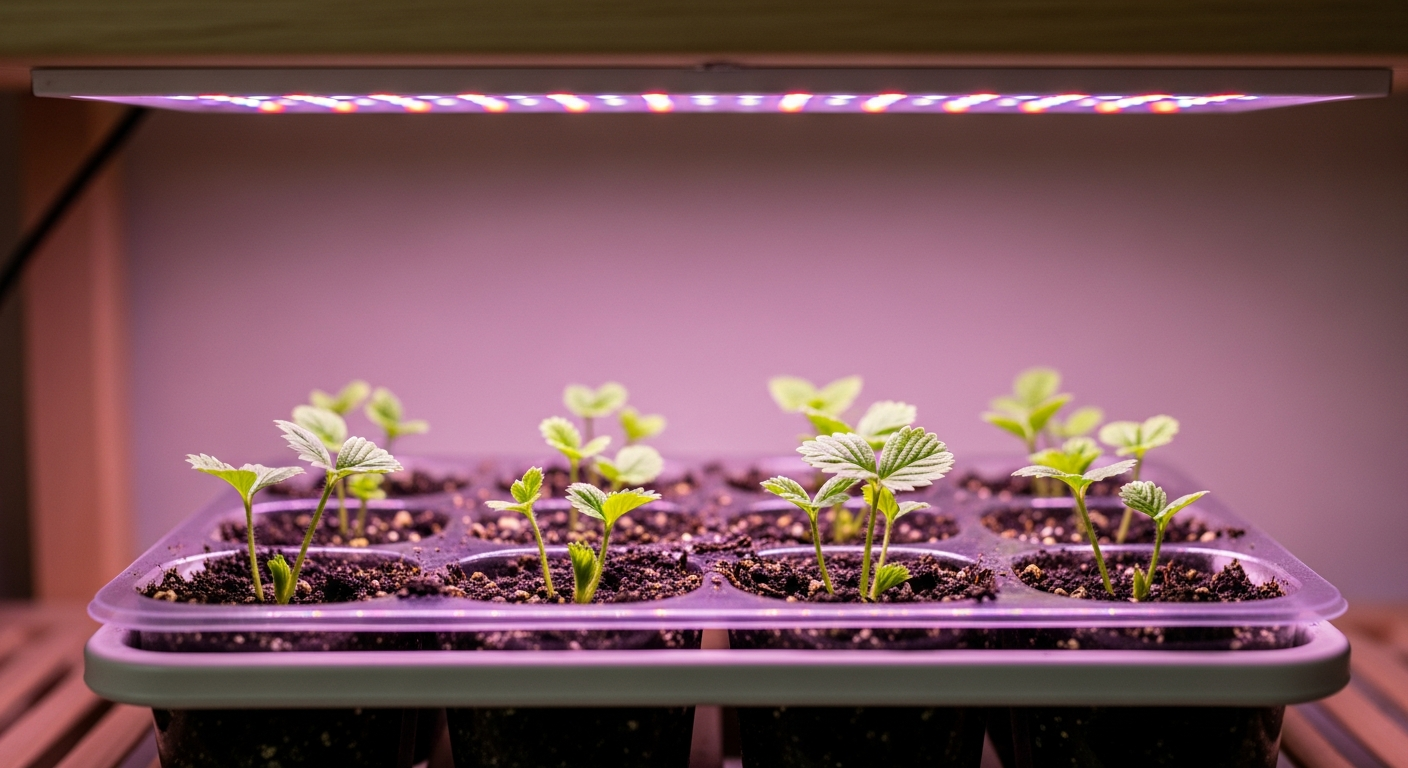
- Grow lights or a very sunny south-facing window. A basic grow light is better than a windowsill for this — seedlings need 14–16 hours of light per day during winter, and most windows simply can’t deliver that.
Step-by-Step Seed Starting
- Fill seed cells with damp (not soaking) seed starting mix.
- Place 2–3 seeds on the surface of each cell. Do not cover with soil — alpine strawberry seeds need light to germinate. This is the single most common mistake; burying them leads to poor or no germination.
- Mist lightly with a spray bottle. Don’t pour water — the seeds are tiny and will wash right to the edges of the cell.
- Cover the tray with a humidity dome or a piece of plastic wrap.
- Set on a heat mat. Germination happens in 1–3 weeks at 65–75°F. With proper warmth and surface sowing, expect around 80% germination — these are not difficult seeds when you handle them right.
- Once sprouts appear, remove the dome and move under grow lights — 14–16 hours per day.
- When seedlings reach 2 inches tall, thin to the strongest one per cell.
- Harden off outdoors (gradually increase outdoor exposure over 7–10 days) before transplanting after your last frost date.
Buying Plants Instead of Growing from Seed
If you want fruit this summer and it’s already spring, buying transplants is the right call. You won’t get enough lead time from seed to harvest in the same season. Local nurseries carry alpine strawberry plants in spring, usually in 4-inch pots. Mail-order specialty nurseries offer the best variety selection if you want something specific like white or yellow varieties. Cost reality check: plants run $14–17 each; seeds produce 50+ plants for $4. If you have indoor space and the desire to start seeds, the economics are hard to beat. But if it’s April and you just discovered these exist, go buy plants and enjoy berries this year.
Where to Plant and How to Care for Alpine Strawberries
Sun, Soil, and Spacing
- Sun: Full sun preferred, but alpine strawberries will produce in partial shade — up to about 50% shade. This makes them one of the few fruiting plants that can actually work in a less-than-ideal spot.
- Soil: Rich, well-drained, slightly acidic (pH 5.5–6.5). Work in compost before planting. They’re woodland plants by nature, so they appreciate organic matter.
- Spacing: 10–12 inches apart. Each plant forms a tidy mound about 12 inches across — they don’t take over the way regular strawberries do.
- Water: Consistent moisture without waterlogging. Mulching around the plants helps retain moisture and keeps weeds down.
- Fertilizing: A compost topdress or balanced fertilizer once in mid-season is plenty. They don’t need heavy feeding.
Growing Alpine Strawberries in Containers
Alpine strawberries are genuinely excellent container plants — compact, no runners, produce all season. A standard 8-inch pot works fine for one plant. A strawberry pot (the terracotta kind with side pockets) fits multiple plants and looks like a little garden all on its own on a porch or patio. Use quality potting mix with good drainage, and water more frequently than you would for in-ground plants — containers dry out faster.
Dividing and Renewing Plants
After 2–3 years, you’ll notice production starting to decline — fewer berries, smaller plants. That’s normal. In early spring, dig up the plant and pull apart the root clump into 2–4 sections, replanting each one. You’ll get fresh, productive plants from existing stock at zero cost. If you’d rather start fresh entirely, a new seed packet gives you as many plants as you need for a few dollars.
Troubleshooting Alpine Strawberry Problems
Here are the most common problems and what to actually do about them — information that somehow doesn’t make it into most alpine strawberry articles.
Slugs Eating the Berries
Slugs are the main pest, especially in wet springs. Pick them by hand early in the morning when they’re still active. Copper tape around the rim of containers deters them effectively. Beer traps work in-ground. Diatomaceous earth around plant bases helps in dry conditions, though it needs reapplication after rain. In a wet spring, slugs can decimate young transplants fast — be proactive, not reactive.
Birds Stealing Ripe Berries
If birds are a problem with your red varieties, lightweight netting draped over plants during fruiting season is the simplest fix. The more permanent solution: grow white or yellow varieties instead. Birds reliably ignore pale-colored fruit — they’re looking for red, and white and yellow simply don’t register as ripe to them. This is a genuine advantage of those varieties, not just a novelty.
Seeds Not Germinating
Check three things: Are you surface sowing (no soil cover over the seeds)? Is your heat mat actually working and maintaining warmth? And are you being patient — up to 3 weeks is completely normal? If you’ve checked all three and still have nothing by week 4, the seeds may be old. Try a fresh packet; alpine strawberry seeds don’t have a very long shelf life.
Plants Not Producing Much Fruit
Most likely cause is one of two things: not enough sun (even shade-tolerant plants need some direct light to produce well), or the plants are over 3 years old and naturally declining. Move to a sunnier location, or divide and replant the crowns, or start fresh from seed. Productivity also dips in peak midsummer heat — this is temporary and typically picks back up in late summer.
How to Harvest Alpine Strawberries
The most important thing to know about harvesting alpine strawberries is that most people pick too early — and then wonder why the flavor is disappointing. Full flavor develops only at the very end of ripening.
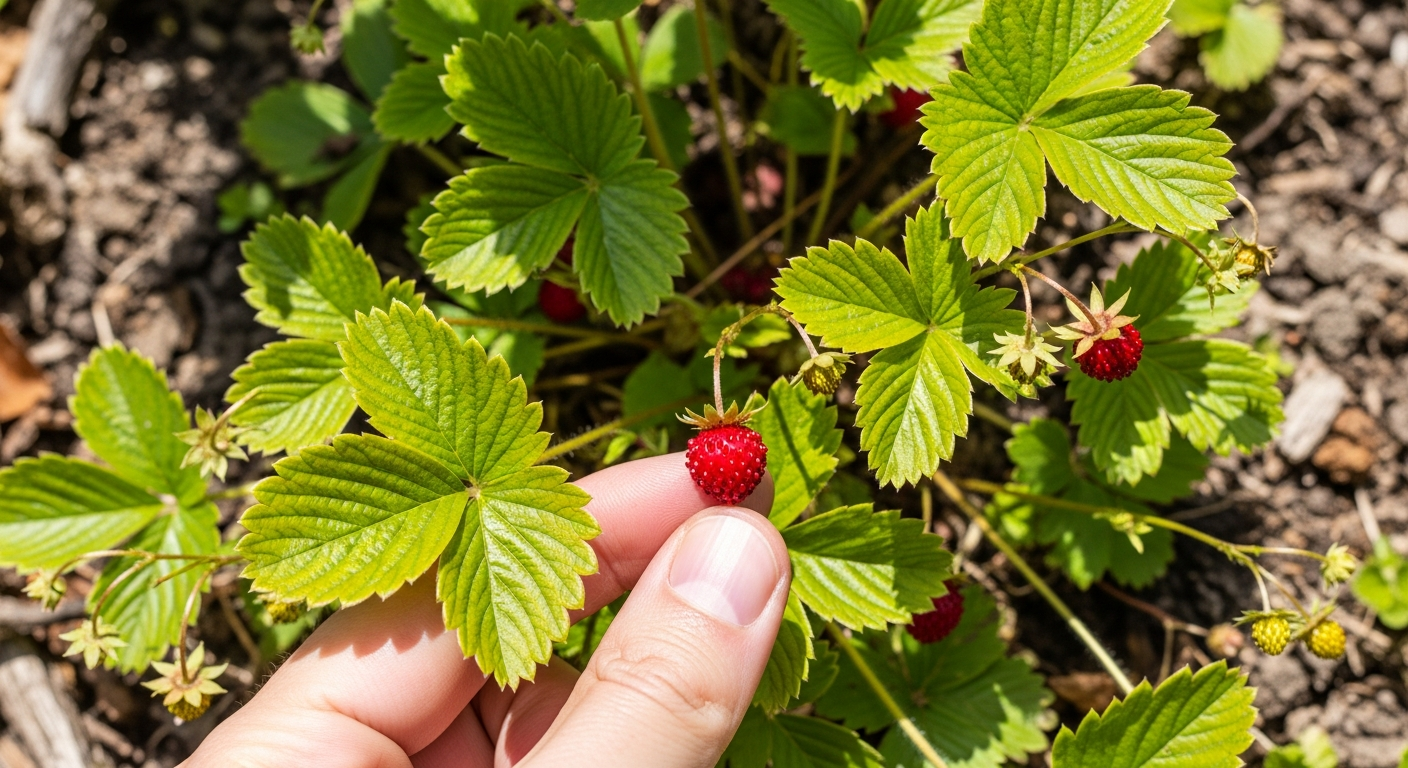
For red varieties: wait until the berry reaches deep red, almost burgundy. An orange-red berry is still under-ripe and will taste flat. If you’re used to picking regular strawberries, you’ll want to pick sooner than you should — resist that instinct and let them go another day or two.
For white and yellow varieties: there’s no color change to watch for, which is genuinely confusing the first time. Instead, look for the berry to puff up slightly and yield gently to a light squeeze — that’s the ripeness signal. Once you’ve seen it a few times, it becomes intuitive.
Pick daily — ripe berries don’t hold on the plant for long. And keep yield expectations realistic: a planting of 6–8 plants gives you a daily handful, not a bowlful. The flavor is the compensation, and it’s more than enough.
What to Do with Alpine Strawberries
Eating and Cooking
The best use of alpine strawberries is eating them fresh, within minutes of picking. That’s not a limitation — it’s what they’re for. The flavor at peak ripeness is extraordinary in a way that doesn’t survive refrigeration or travel.
But there’s a technique that transforms even an ordinary handful into something genuinely special: macerating. Put a handful in a small bowl, sprinkle lightly with sugar, crush gently with a fork, and wait about 10 minutes. The juice appears seemingly from nowhere — the berries release it as the sugar draws it out — and what you’re left with is a small amount of intensely flavored, deeply aromatic syrup with the crushed berries. Spoon that over vanilla ice cream, fresh yogurt, or a plain crepe and it’s one of the best things you can eat from a garden. This is the technique that converts skeptics who found the berries underwhelming straight off the plant.
Beyond macerating: they’re beautiful on tarts and Belgian waffles, they add something special to a bowl of morning yogurt, and if you have enough plants producing well — 50 or more plants at peak — they make excellent jam. Alpine strawberries have more natural pectin than regular strawberries, so jam sets quickly and easily.
Storing Alpine Strawberries
Best eaten the day you pick them. Flavor declines noticeably after a day in the refrigerator, and they bruise easily — handle them gently.
- Refrigerate up to 2 days in a single layer, loosely covered
- Freeze: spread individually on a baking sheet until solid, then transfer to a freezer bag — good for smoothies and baking
- Air dry: place in a single layer in a sunny spot and let them dry naturally. They’ll keep indefinitely once dry, the flavor concentrates beautifully, and the fragrance while they’re drying is extraordinary — better than any candle. A small bowl on a sunny windowsill is all it takes.
Alpine Strawberry FAQ
What is the difference between alpine strawberries and regular strawberries?
Alpine strawberries (Fragaria vesca) are a different species from garden strawberries. They produce smaller but intensely more flavorful berries continuously from late spring through frost — unlike regular strawberries, which fruit once per year and are done. Alpine strawberries don’t produce runners, tolerate partial shade, and live as perennials for 2–4 years. Regular strawberries produce larger, higher-volume fruit better suited for jam and large harvests. The two crops serve different purposes and are worth growing together.
Do alpine strawberries come back every year?
Yes — alpine strawberries are perennial in USDA Zones 3–9 and will return reliably for 2–4 years. After that, productivity naturally declines; divide the crowns in early spring to refresh the planting, or start new seedlings from seed (fast and inexpensive). In Zones 3–5, mulch plants after the ground freezes to protect the crowns through winter.
Are alpine strawberries worth growing?
Yes — with realistic expectations. You won’t get enough to fill a jam pot from a small planting, but you’ll have a continuous daily harvest of some of the most intensely flavored fruit your garden can produce, from late spring to frost. They’re perennial, require minimal care, don’t spread, start from seed for almost nothing, and thrive in spots where regular strawberries wouldn’t. For flavor per square foot of garden, nothing beats them.
Where is the best place to plant alpine strawberries?
Full sun is preferred, but alpine strawberries will fruit in partial shade — making them one of the few fruiting plants that can handle a less-than-ideal spot. They’re excellent as edging along garden paths, in containers or strawberry pots on a porch, or tucked into partly shaded beds where other crops struggle. Plant in rich, well-drained, slightly acidic soil (pH 5.5–6.5) and water consistently.