Pale Comb on a Chicken: What It Means and Exactly What to Do (2026)
Last updated: March 12, 2026
Quick Snapshot
Most likely cause: She's molting, just laid an egg, or is a little stressed — not a medical emergency.
Red flags to check right now: Not eating or drinking, won't stand or walk normally, comb turning purple or black (not just pale).
Season note: A pale comb in summer heat is more concerning than in winter, because chickens use their combs to regulate body temperature. Pale in the heat = the cooling system may not be working right.
Jump to: Your 5-Minute Checklist | When to Call a Vet
What Does a Healthy Chicken Comb Look Like?
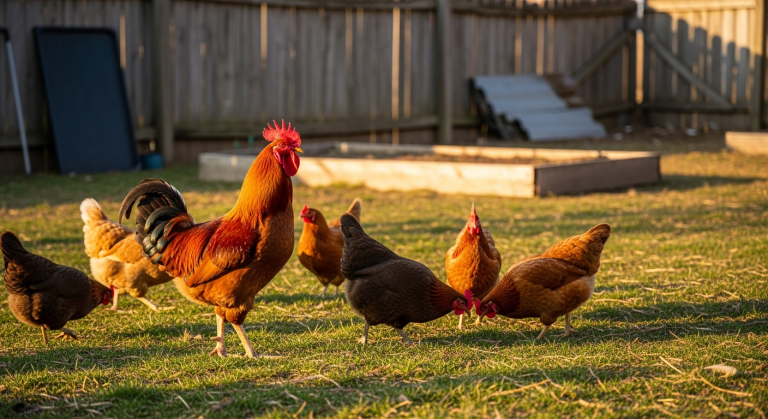
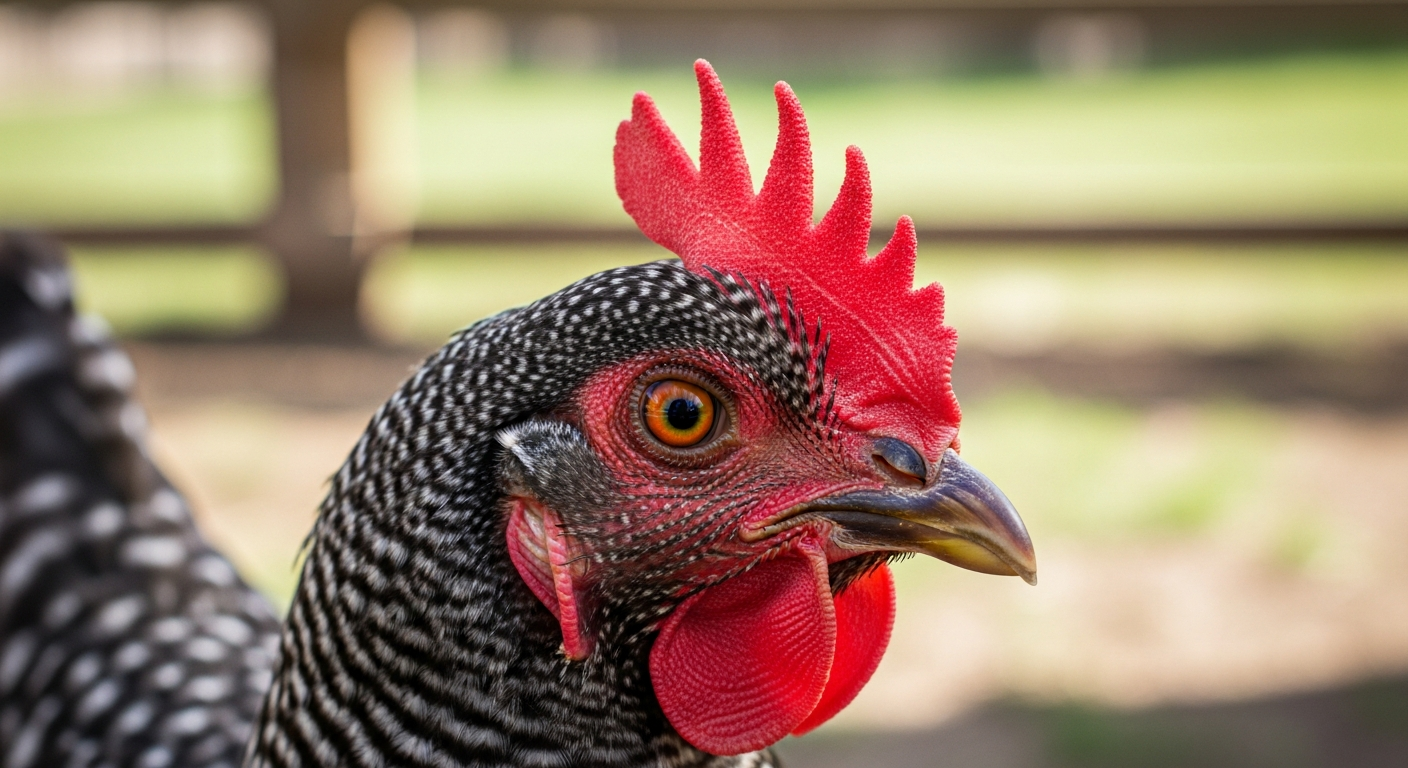
A healthy chicken comb is bright to deep red, firm, upright, and warm when you touch it. It should look like there's good blood flow just beneath the surface — because there is. The comb is one of the most vascular parts of a chicken's body, which is exactly why it's such a useful health indicator.
Color naturally varies by age, breed, and where she is in her laying cycle. A hen at peak lay will have a deeper, more saturated red than a pullet who hasn't started laying yet, and that's completely normal. Note on breed variation: rose combs and pea combs naturally sit flatter and may look paler than single combs — if you have a breed like a Wyandotte or an Easter Egger, know your breed's baseline before you compare it to a classic Barred Rock single comb.
One thing I wish someone had told me early on: newly laying pullets start with pale-pink combs that deepen to red as they come into lay. If you've got a young hen whose comb looks more pink than red, she's probably just getting ready to start laying — not sick.
Is a Pale Comb Always Serious? (The Answer Might Surprise You)
The short answer is no — and the most common cause of a pale comb is completely benign. Most of the time, a pale comb means one of a handful of normal, fixable things rather than anything you need to rush to the vet about.
That said, there are a few causes that do need attention, and a small number that genuinely warrant a vet call. The key is knowing which is which before you do anything. I've organized everything below into three tiers:
- Probably nothing to worry about — normal causes that resolve on their own
- Time to take action — fixable causes that need a little intervention
- Call the vet — serious signs you shouldn't ignore
Let's start with the most likely explanation first.
Probably Nothing to Worry About: Normal Causes of Pale Comb
The first time I noticed a pale comb on one of my hens, I was convinced something was terribly wrong. I watched her from across the yard, then walked out to the coop to get a closer look. She was eating, scratching, completely normal — and by lunchtime her comb was bright red again.
I later learned that she had laid an egg that morning. The comb pales right after a hen lays because blood is diverted during the laying process. It returns to its normal color within a few hours. I've seen this dozens of times since then and it still catches me off guard occasionally. It's one of the most common causes of a panicked "what's wrong with my chicken?" Google search, and no editorial article I've ever found actually explains it clearly.
Molting is the other big one. When a hen goes through her annual molt — losing and regrowing feathers — her body redirects resources toward feather production, and her comb often pales and may even shrink slightly during this time. This can last several weeks. If you're seeing feather loss alongside the pale comb, you can relax. She's molting, not sick.
Pullets before first lay also have naturally paler combs. Young hens start out with pale pink combs that slowly deepen in color as they approach laying age. If you've got a young bird whose comb looks lighter than your established hens, give her a few more weeks before you worry.
Time to Take Action: Causes That Need a Fix
These causes aren't emergencies, but they won't go away on their own. If your hen is showing a pale comb that isn't explained by the normal causes above, work through this list.
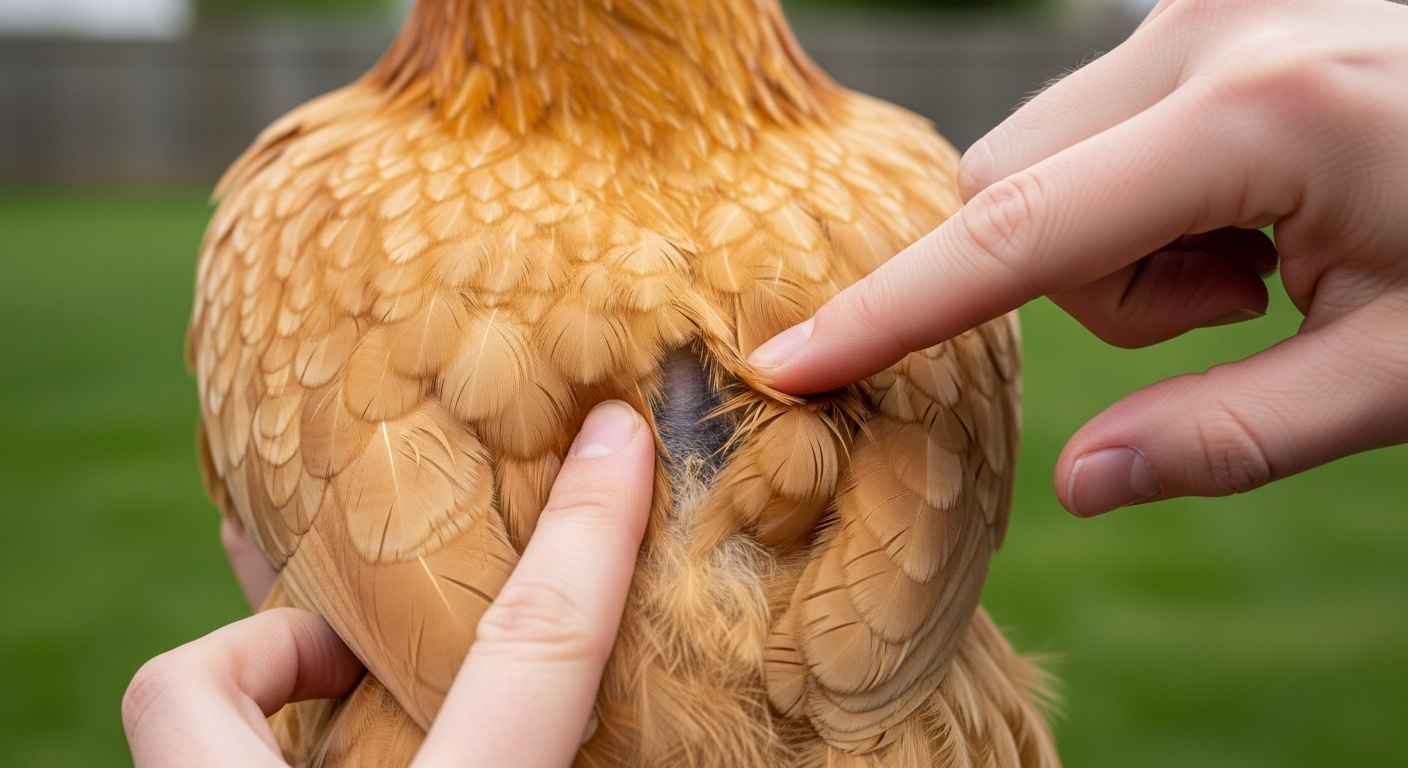
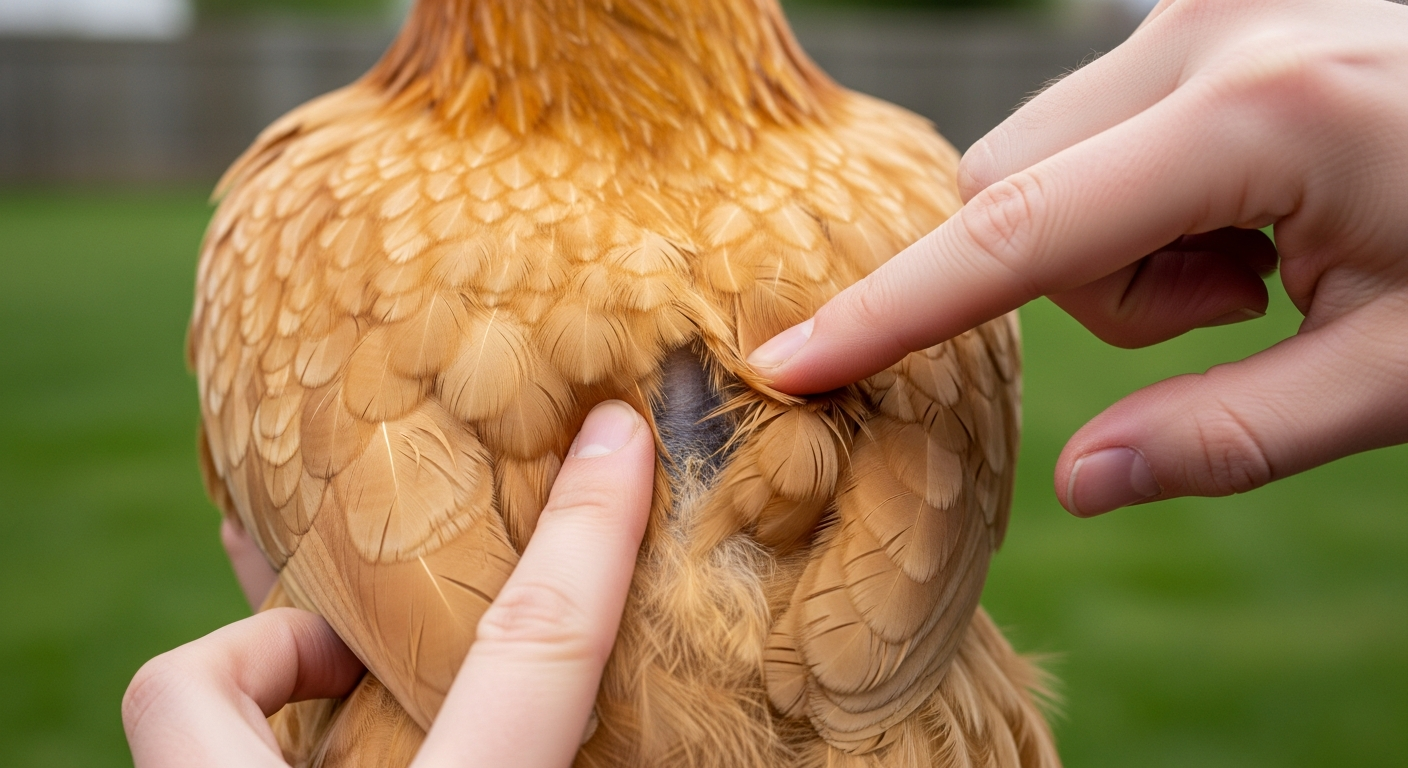
Mites and lice are one of the most common health causes of a pale comb — external parasites cause anemia over time, and the comb is one of the first places you'll see it. To check, part the feathers near her vent and under her wings and look for tiny moving specks (red or brown for mites, pale for lice) or white nits at the feather bases. You can also press a piece of clear tape to the vent area feathers, then hold it up to the light — if you see small dots stuck to it, you've got mites or lice. Check the roost bar at night with a flashlight too, because red mites live on surfaces during the day and only come onto the birds at night.
Quick trick: Rub a small amount of vaseline into the comb and wattles. This helps you see the true underlying color by moisturizing any dry skin, and it also smothers surface mites. It's a simple trick that's been passed around chicken-keeping communities for years, and it works.
Internal worms can also cause anemia and a pale comb. The best way to check is to look at her droppings — watery, bloody, or with visible worms are all signs. A fecal float test from your vet is the gold standard for a definitive answer. Safeguard (fenbendazole, marketed for goats but commonly used for backyard chickens) is what most small flock keepers use once worms are confirmed — ask your vet about dosing for your birds.
Stress and flock disruption is something a lot of new chicken keepers don't expect. If you've recently introduced new birds, moved your flock, changed their feed, or rearranged the coop, stress can cause temporary paleness that lasts a week or two while the flock settles. If she's eating and drinking normally and you've recently made a change, give it some time and monitor.
Sunlight deprivation is more common in winter when birds spend most of their time indoors. Chickens need natural light for a healthy laying cycle and general wellbeing, and limited sunlight can contribute to pale combs. The fix is easy — give them more outdoor access on sunny days or add a window to the coop for more natural light.
Nutritional deficiency, especially during molt, is another fixable cause. A low-protein diet when a hen is growing new feathers puts a real strain on her system. Offering a protein boost during this time helps — dried mealworms, black soldier fly larvae, or a high-protein feed are all good options. I keep a bag of dried mealworms in the coop for this exact situation. They're cheap, my hens go crazy for them, and they double as a treat.
Call the Vet: Signs Your Chicken Needs Professional Help
Most pale combs will fall into the first two categories above. But there are a few conditions that are more serious and won't be fixed with a protein boost or a mite treatment.
Fatty liver disease can cause a pale comb in overweight hens, particularly high-production breeds fed a poor diet. It typically shows up alongside reduced laying, weight gain, and lethargy. It's more manageable if caught early, so if your hen fits this profile, a vet visit is worthwhile.
Internal laying is a condition where eggs are deposited into the abdominal cavity instead of passing normally. You'll often see a history of shelless or abnormal eggs before the comb pales, along with a swollen or distended abdomen. This isn't something you can treat at home.
Heart and respiratory issues are worth mentioning here because they're sometimes confused with pale comb — but the distinction matters. If your hen's comb is turning purple, blue, or gray rather than simply pale, that's a circulation or breathing emergency. Pale is a reduction in color. Purple or blue is a different problem entirely, and you should call a vet the same day.
Lymphoid leukosis is a rare viral condition worth knowing about. It causes tumors internally and can present with paleness, lethargy, and a general failure to thrive. There's no treatment, but a vet can help you understand your options and protect the rest of your flock.
Your 5-Minute Pale Comb Checklist (Do This Before Anything Else) {#checklist}
Before you call a vet, spend five minutes with your bird and work through these steps in order. A sick chicken usually looks and acts sick — and most of the time, this checklist will either reassure you or point you directly at what needs attention.
-
Watch her for two minutes. Is she eating, drinking, scratching around, or interacting with the flock normally? A hen that's behaving normally with a pale comb is almost certainly fine. It's the combination of pale comb plus abnormal behavior that's a red flag.
-
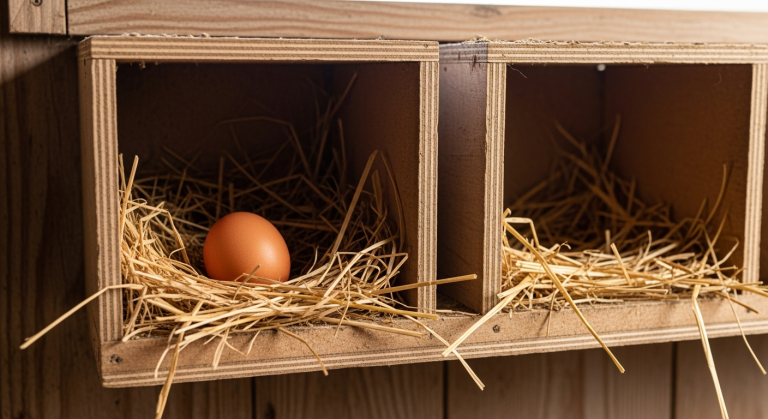
Check when she last laid. Did she lay this morning? Comb paleness right after laying is completely normal and will return to red within a few hours. If you're not sure, check the nest boxes for a fresh egg.
-
Feel the comb. It should be soft and warm. Dry, crusty, or rough texture? Try the vaseline test described above. Very cold to the touch could suggest reduced circulation — worth monitoring.
-
Check for mites and lice. Part the feathers near her vent and use the sticky tape method described in the mites section above. Also check the roost bar at night with a flashlight — this takes two minutes and rules out one of the most common causes.
-
Look at her droppings. Normal chicken droppings have a firm part and a liquid part — it's not pretty, but it's consistent. Watery, bloody, or droppings with visible worms are all worth taking seriously.
-
Feel her crop. At bedtime, a full, soft crop is normal. In the morning, it should be empty. A hard, enlarged crop or one that smells sour when you hold her beak near your nose can indicate a crop issue that's worth addressing.
If she passes steps 1 and 2, there's a good chance she's fine. Work through the rest to rule out the things that do need attention.
Red Flags: When a Pale Comb Is a Real Emergency {#red-flags}
Here's the honest truth: a pale comb by itself is rarely an emergency. It's the combination of a pale comb with other symptoms that should put you on high alert.
Call your vet if you see:
- Pale comb plus won't eat or drink for 24 or more hours
- Pale comb plus won't stand or walks unsteadily
- Comb turning purple, black, or blue — this is NOT the same as pale, and it's more urgent
- Swollen or distended abdomen
- She's puffed up and separated from the flock
- Bloody or severely watery droppings for 24 or more hours
- No improvement after five to seven days of supportive care
You can manage at home if:
- She's eating and drinking normally
- She just laid an egg this morning — give it a few hours
- She's actively molting (you'll see feather loss)
- You recently changed feed or added birds — give it one to two weeks
- It's winter with limited outdoor light — try more outdoor access on sunny days
The behavior of the bird is your best diagnostic tool. A hen who's eating, moving, and interacting with her flock is very different from one who's hunched in the corner. Trust what you're seeing.
Why Does My Chicken's Comb Change Color Throughout the Day?
This is one of those things that confuses a lot of new chicken keepers, and the answer is actually pretty interesting. Chicken combs are rich in blood vessels, and their color fluctuates naturally depending on activity level, temperature, and where a hen is in her laying cycle.
During active periods — feeding, exploring, squabbling with flock mates — blood flow to the comb increases and it looks brighter. After laying an egg, during rest periods, or in cooler temperatures, blood is directed elsewhere and the comb looks paler. This is completely normal physiology.
The season matters here too. In summer, a bright red comb is the cooling system working correctly — chickens release excess heat through their combs. If a hen's comb looks pale in hot weather when it should be bright and flushed, that's more worth investigating than a paler comb on a cold winter morning.
A practical observation: if your hen's comb is bright red at 8am and noticeably pale by noon, check whether she laid between those times. Chances are good that's all that happened.
Frequently Asked Questions About Pale Chicken Combs
What do I do if my chicken has a pale comb?
Check if she's eating, drinking, and moving normally first. If yes, she's likely fine — the most common causes (post-laying, molting, stress) are benign. Use the 5-minute checklist above to rule out mites, worms, or nutritional issues. Call a vet if she's not eating, won't stand, or her comb is turning purple or black.
What does it mean when a chicken's comb turns pale?
A pale comb usually means reduced blood flow to the comb, which can be completely normal (right after laying an egg, during molt) or a sign of an underlying issue (parasites, worms, or in serious cases, internal disease). The bird's behavior tells you more than the comb color alone — a pale comb on an otherwise active, eating hen is usually nothing to worry about.
How do I treat a chicken with a pale comb and lethargy?
The combination of pale comb and lethargy is a red flag. Check for mites and lice, look at her droppings, and offer fresh water with electrolytes. If she's not eating or shows no improvement within 24 hours, call a vet — this combination can indicate parasites, worms, or a more serious underlying condition.
Why is my chicken comb pale and drooping?
A drooping, pale comb often indicates illness or significant stress. Some breeds, especially Leghorns and other heavy single-comb breeds, have naturally floppy combs when they're not in peak lay — but combined with paleness, it usually signals dehydration, illness, or the bird going off-lay due to stress or disease. Check her behavior and use the 5-minute checklist above.
My chicken has a pale comb and isn't laying — what's wrong?
Most likely: she's in molt (classic signs are feather loss plus pale comb plus stopped laying), stressed from a flock change, or it's winter with shorter days. If she's also lethargic or not eating, have a vet check for internal laying or other reproductive issues.
Will a pale comb go away on its own?
Depends on the cause. Post-laying paleness resolves within hours. Molting paleness resolves when the molt ends, which can take several weeks. Stress-related paleness resolves when the stressor is removed. Parasites and worms require treatment and won't resolve on their own. Serious internal conditions need a vet.
Can a pale comb be from cold weather?
Cold weather itself doesn't cause pale combs, but limited sunlight in winter can contribute. Frostbite looks different — the comb tips turn black, not pale. If your coop has poor natural light in winter, giving your birds more outdoor access on sunny days can help. A pale comb in winter is usually molt, reduced laying activity, or sunlight-related — not an emergency.