How to Make Whipped Tallow Face Cream (Easy 3-Ingredient Recipe for 2025)
Last updated March 11, 2026
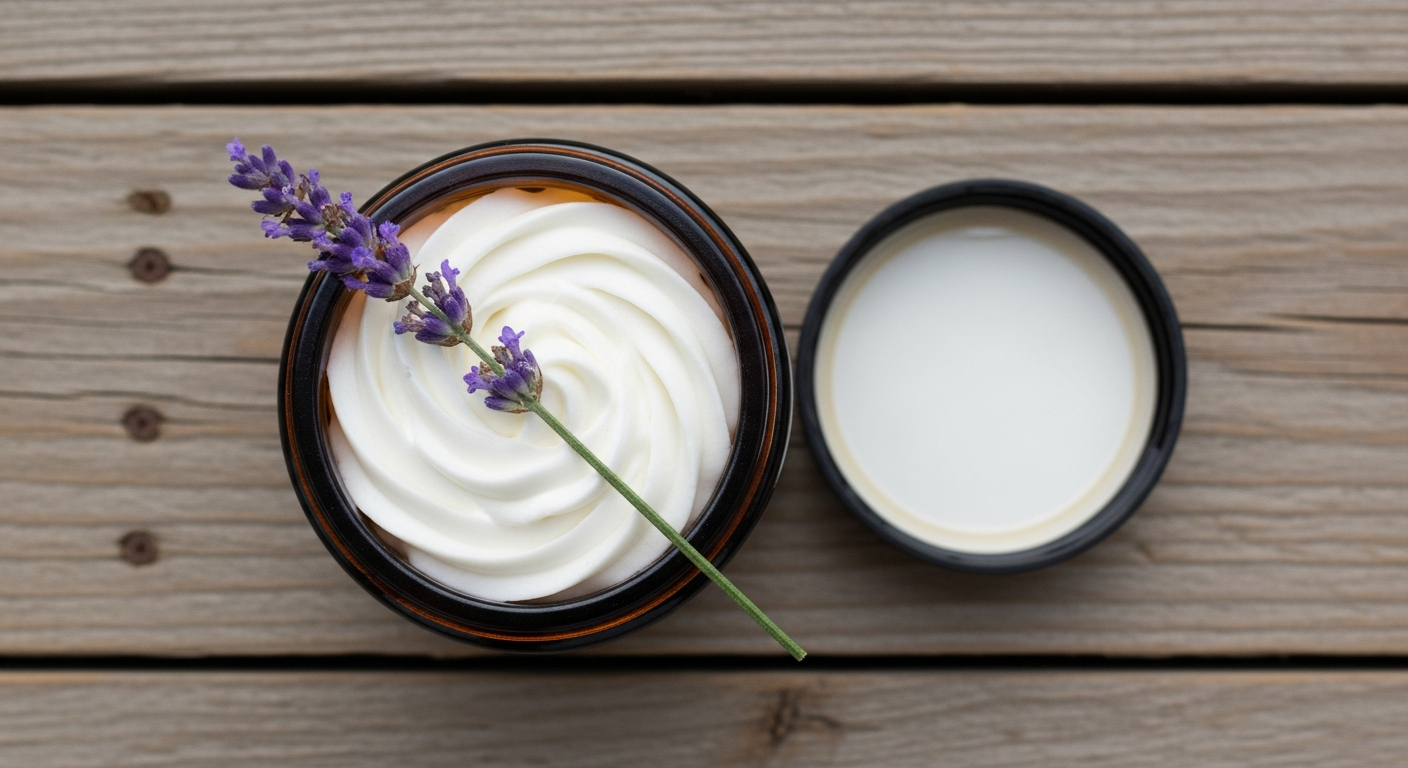
Whipped tallow face cream is a natural moisturizer made from grass-fed beef tallow that's been melted, combined with a carrier oil, chilled until firm, and whipped to a light, fluffy texture. The basic recipe: ½ cup grass-fed tallow + 2 tablespoons jojoba oil + optional essential oils. One batch makes a full 4oz jar, takes about 20 minutes of active time, and costs roughly $6–8 to make at home.
| Active prep time | 5 minutes |
| Chill time | 1–2 hours |
| Whip time | 3–5 minutes |
| Yield | One 4oz jar |
| Shelf life | 3–4 months room temp; 1 year refrigerated |
| Approx. cost per batch | $6–8 |
| Best for | Dry, normal, or mature skin |
| Patch test recommended | Acne-prone skin |
What Is Whipped Tallow Face Cream?
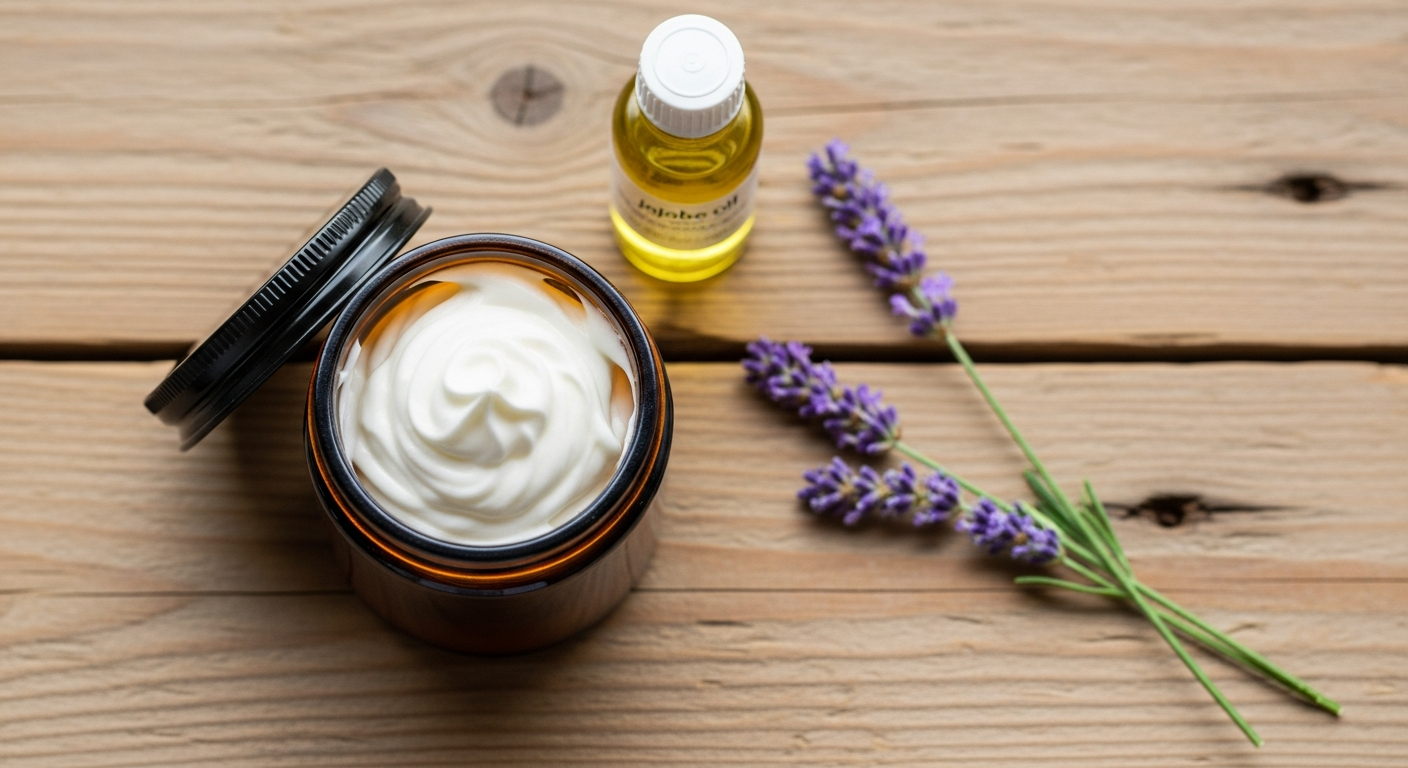
Tallow is rendered beef fat — specifically suet, the firm fat surrounding the kidneys. Humans used it as a moisturizer for centuries, long before commercial lotion existed. "Whipped" simply means the tallow has been chilled until firm and beaten with a hand mixer until it becomes light and spreadable, like a body butter. This makes it easier to apply than unwhipped tallow balm, which is denser and needs to be scooped and warmed between your fingers.
I understand why it sounds odd at first. The first time I read about it I had the same reaction. But once I tried it, I stopped buying store-bought face cream entirely.
5 Reasons Tallow Makes a Better Face Cream Than Commercial Lotion
Each of these has a real "why" behind it, not just a marketing claim.
- Vitamins A, D, E, and K — fat-soluble vitamins that your skin actually absorbs, unlike many synthetic versions added to commercial products. Vitamin A supports cell turnover, vitamin D is anti-inflammatory, vitamin E is an antioxidant, and vitamin K supports healing.
- A fatty acid profile that mirrors your own skin — Tallow contains oleic acid, stearic acid, and conjugated linoleic acid (CLA), the same fatty acids found in human sebum. That's why it absorbs readily instead of sitting on the surface like a film.
- Low comedogenic rating — Tallow rates 2 out of 5 on the comedogenic scale, meaning a low probability of clogging pores for most people.
- No synthetic preservatives or emulsifiers — Commercial moisturizers often list water as the first ingredient, which requires preservatives to stay shelf-stable. Tallow cream is oil-only — nothing you can't pronounce.
- Anti-inflammatory CLA — Conjugated linoleic acid has documented anti-inflammatory properties, which is why tallow works well on irritated or dry skin.
One honest caveat: tallow is best for dry, normal, and mature skin. If you're acne-prone, patch test first — there's a full section on that below.
The Only Tallow That's Worth Using for Skincare
Sourcing matters more for skincare than it does for cooking. Grass-fed and grass-finished beef fat is significantly higher in vitamins and CLA than fat from conventionally raised cattle, and the difference in nutrient density is real. This is the one area I'd spend a little more.
When I can't get suet from a local farm, I order Fatworks 100% grass-fed organic beef tallow from Amazon. It's the most widely trusted option in the homesteading skincare community, it renders cleanly, and it has almost no odor. A large jar goes a long way for skincare batches.
If you have a local butcher, ask whether they sell beef suet. Many will let it go for very little since most customers don't want it. You'd render it at home yourself — and for the from-scratch crowd, that's the most satisfying version of this recipe.
Ingredients for Whipped Tallow Face Cream
The base recipe:
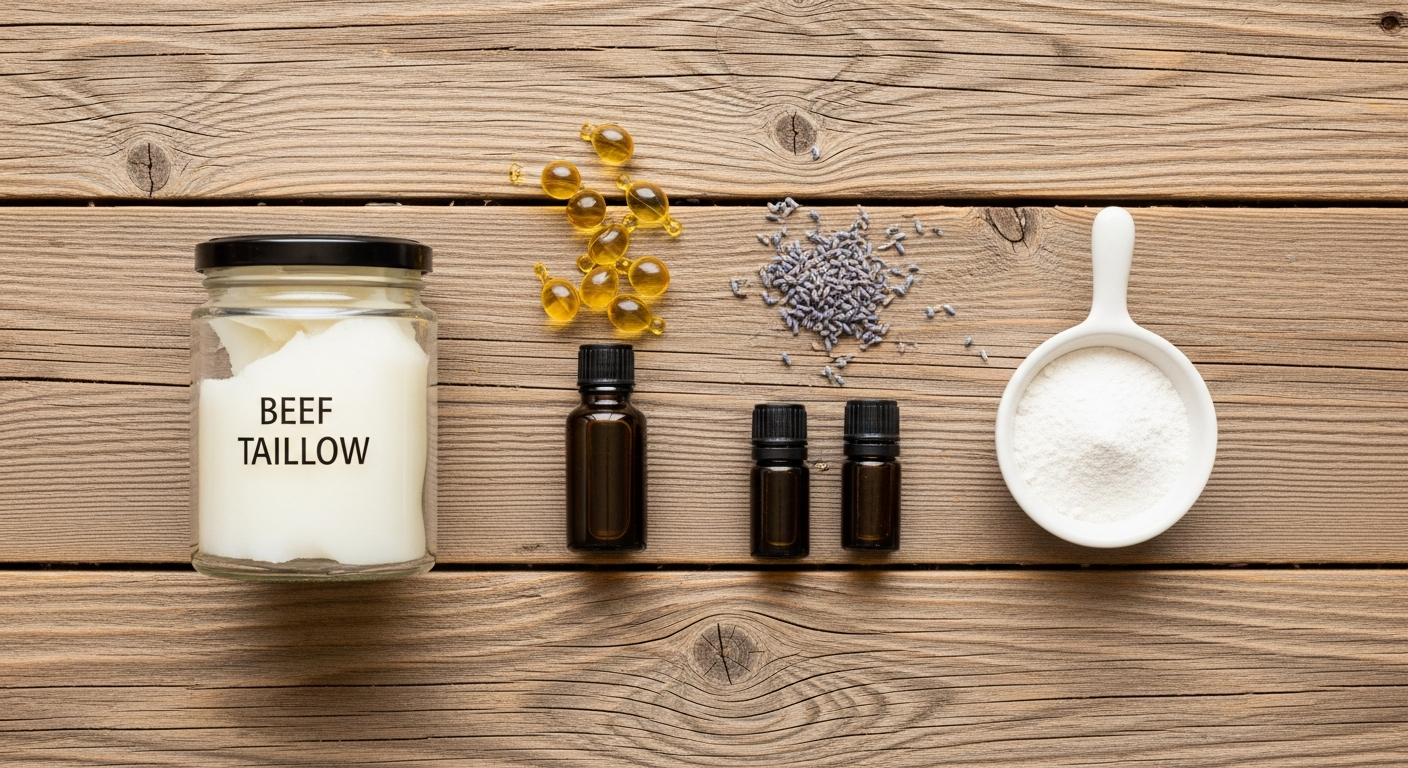
- ½ cup grass-fed beef tallow
- 2 tablespoons jojoba oil
- 10–15 drops essential oil (optional)
Optional but worth adding:
- 1 teaspoon vitamin E oil — extends shelf life and adds antioxidant protection
- 1 tablespoon arrowroot powder — my favorite addition; it eliminates the greasy finish entirely
Which oil to use (it matters specifically for face):
| Oil | Best for | Comedogenic rating | Notes |
|---|---|---|---|
| Jojoba oil | All skin types | 2/5 | Closest to human sebum — top pick for face |
| Sweet almond oil | Sensitive skin | 2/5 | Lighter feel, good for daytime use |
| Rosehip oil | Mature/dry skin | 1/5 | Adds vitamin C, good anti-aging choice |
| Coconut oil | Body only | 4/5 | Avoid on face — high pore-clogging risk |
| Olive oil (EVOO) | Body only | 2/5 | Too heavy for face; can disrupt skin barrier |
For a face recipe, jojoba is the right call almost every time. Coconut oil is popular in DIY skincare broadly, but it's too comedogenic for most people to use on their face. Save it for body butter.
The Best Essential Oils for This Recipe (Face-Specific)
Essential oils are entirely optional — the cream works well unscented. But if you want fragrance or specific skin benefits, these are the best choices for face use:
- Frankincense — anti-aging, supports cell regeneration, excellent for dry or mature skin. This is my go-to for face cream.
- Lavender — soothing, works for all skin types, light floral scent most people enjoy.
- Geranium — balancing, good for combination or dry skin, slightly rosy scent.
- Rose — deeply moisturizing, classic scent, particularly well-suited for mature skin.
Tea tree is antimicrobial but strong — if you include it, keep it to 2–3 drops in a half-cup batch and pair it with something gentler like lavender. Too much tea tree on facial skin can cause irritation.
If you'd rather skip scent entirely, that's a perfectly good choice. The jojoba and tallow combination is neutral enough that most people don't notice any smell once it's absorbed.
How to Make Whipped Tallow Face Cream (Step by Step)
This is about 5 minutes of active work plus chilling time. It's easier than most baking projects.
Step 1: Melt the tallow. Scoop ½ cup of tallow into a small saucepan. Melt over low heat, stirring occasionally. Keep the heat low — scorching the tallow creates an off smell in the finished cream. It should melt completely within about 5 minutes.
Step 2: Add the oil. Remove from heat and let it cool for 5 minutes. Stir in 2 tablespoons of jojoba oil. Add vitamin E oil and essential oils if you're using them. Stir to combine.
Step 3: Chill until firm. Pour the mixture into a bowl and refrigerate it. Check after an hour. You want it firm enough to hold a clear imprint when you press a finger in — but not rock solid. This step is the one most people skip, and it's exactly why batches come out runny. Don't rush through it.
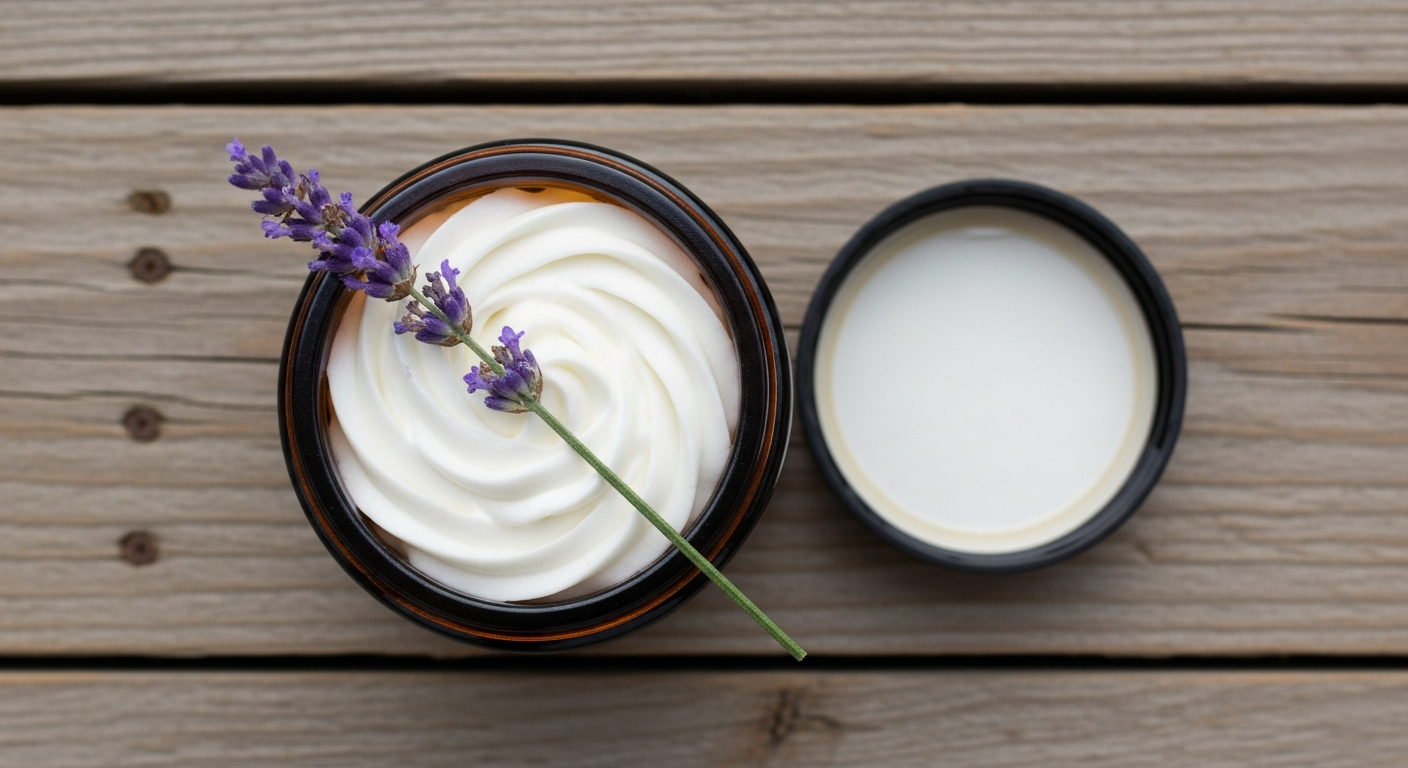
Step 4: Whip and store. Beat the chilled mixture with a hand mixer on medium speed for 2–4 minutes until it's light and fluffy. Add arrowroot powder now if you're using it, and mix until incorporated. Spoon into a clean 4oz glass jar, seal it, and label it with the date.
Why Did My Whipped Tallow Cream Come Out Runny? (Troubleshooting)
If your first batch didn't work out, you're not alone — my first batch was a runny mess too. Here are the three most common problems and their fixes.
Problem 1: The cream won't whip up fluffy — it's still liquid. Almost always one of two causes: you didn't chill it long enough before whipping, or the tallow you used has a higher ratio of unsaturated fats that don't firm up as well. Fix: if the mixture is still pourable or very soft, return it to the refrigerator for another hour and try again. Make sure the mixture holds a firm imprint before you start the mixer.
Problem 2: The cream smells off or funky. The smell almost always comes from scorching the tallow during the melt. A too-hot pan creates that beefy or slightly rancid note. Fix for this batch: add extra essential oil to mask it. For next time, keep the heat on its lowest setting and don't rush the melt.
Problem 3: The cream feels too greasy on skin. This is the most common complaint for first-time users. Fix: add 1 tablespoon of arrowroot powder to the whipped cream and mix again — it absorbs the excess oil and transforms the texture. Also try using a smaller amount to start (pea-sized). If it still feels too heavy for daytime, use it only at night.
How Long Does Whipped Tallow Face Cream Last?
At room temperature: 3–4 months in a sealed jar, kept away from direct sunlight and moisture. Don't reach in with wet hands — introducing water accelerates spoilage.
Refrigerated: Up to 1 year. I keep my current jar on the bathroom counter and store a backup batch in the fridge.
Adding 1 teaspoon of vitamin E oil to your recipe noticeably extends freshness — it's a natural antioxidant that slows oxidation of the fats. To tell if a batch has gone bad, trust your nose. Good tallow cream smells mild and neutral or like your chosen essential oil. If it smells sour, rancid, or noticeably off, it's done. Any yellowing or browning is another sign to toss it and make a fresh batch.
Because this recipe makes a single 4oz jar, it's easy to stay within the shelf life. Make small batches and you'll rarely need to worry about it.
Is Whipped Tallow Safe for Sensitive or Acne-Prone Skin?
Tallow rates 2 out of 5 on the comedogenic scale — low, but not zero. For most people with dry, normal, or mature skin, it works well. For acne-prone skin, the answer depends on the person.
If you tend toward breakouts, start by patch testing on your neck or jawline for a few days before applying it to your full face. Use a pea-sized amount and see how your skin responds. Some people with acne-prone skin do fine; others find tallow too heavy. Your oil choice matters here — jojoba is the safest carrier for acne-prone skin. Avoid coconut oil entirely in this recipe if you're prone to clogged pores.
On the "whipped tallow is lower quality" debate: You may have come across articles arguing that whipped tallow is inferior to dense, dry-rendered tallow. That argument applies to mass-manufactured commercial brands that use low-grade tallow and whip it primarily to reduce costs. When you make it at home from quality grass-fed tallow, whipping is simply a texture choice — you're not losing nutrients, and you're not paying for filler. Your homemade batch will outperform most commercial options on both ingredients and cost.
How Much Does Homemade Tallow Face Cream Cost?
This is the part that surprises people most.
| Homemade | Fat Cow Tallow | Lady May Tallow | |
|---|---|---|---|
| Price per 4oz jar | ~$6–8 | $44–55 | $35–45 |
| Ingredients you control | ✅ | ❌ | ❌ |
| Annual cost (1 jar/month) | ~$72–96 | $528–660 | $420–540 |
A large jar of Fatworks tallow yields roughly 4 batches of face cream. The jojoba costs less than a dollar per batch. The glass jar is reusable. You're paying yourself back on the first batch — and you know exactly what's in every jar.
Frequently Asked Questions
Is whipped tallow good for the face? Yes, for most skin types. Tallow's fatty acid profile closely mimics human sebum, so it absorbs easily rather than sitting on top of skin. It works especially well for dry, normal, and mature skin. Those with acne-prone skin should patch test first.
Is tallow good for cystic acne? Tallow has a comedogenic rating of 2 out of 5 — low risk, but not zero. People with active cystic acne should patch test before applying to the full face and should choose jojoba oil (not coconut oil) as their carrier oil in the recipe.
Does homemade tallow face cream smell? Quality grass-fed tallow rendered properly has a very mild, nearly neutral smell. Adding frankincense, lavender, or another essential oil masks any remaining scent. If your cream smells strongly beefy, the tallow was likely scorched while melting — lower the heat next time.
How long does homemade whipped tallow face cream last? 3–4 months at room temperature in a sealed jar kept away from heat and moisture. Refrigerated, it can last up to 1 year. Adding a teaspoon of vitamin E oil to your batch helps extend freshness.
Can I use whipped tallow as a daily face moisturizer? Yes. Many people use it as their only daily moisturizer. Start with a small amount — about the size of a pea — and adjust from there. People with oily skin may prefer using it only at night.
What is the best oil to mix with tallow for face cream? Jojoba oil is the top choice for face use. It's non-comedogenic, structurally similar to human sebum, and creates a light, silky texture when whipped. Avoid coconut oil and olive oil in face cream specifically — both can cause issues for people prone to clogged pores.