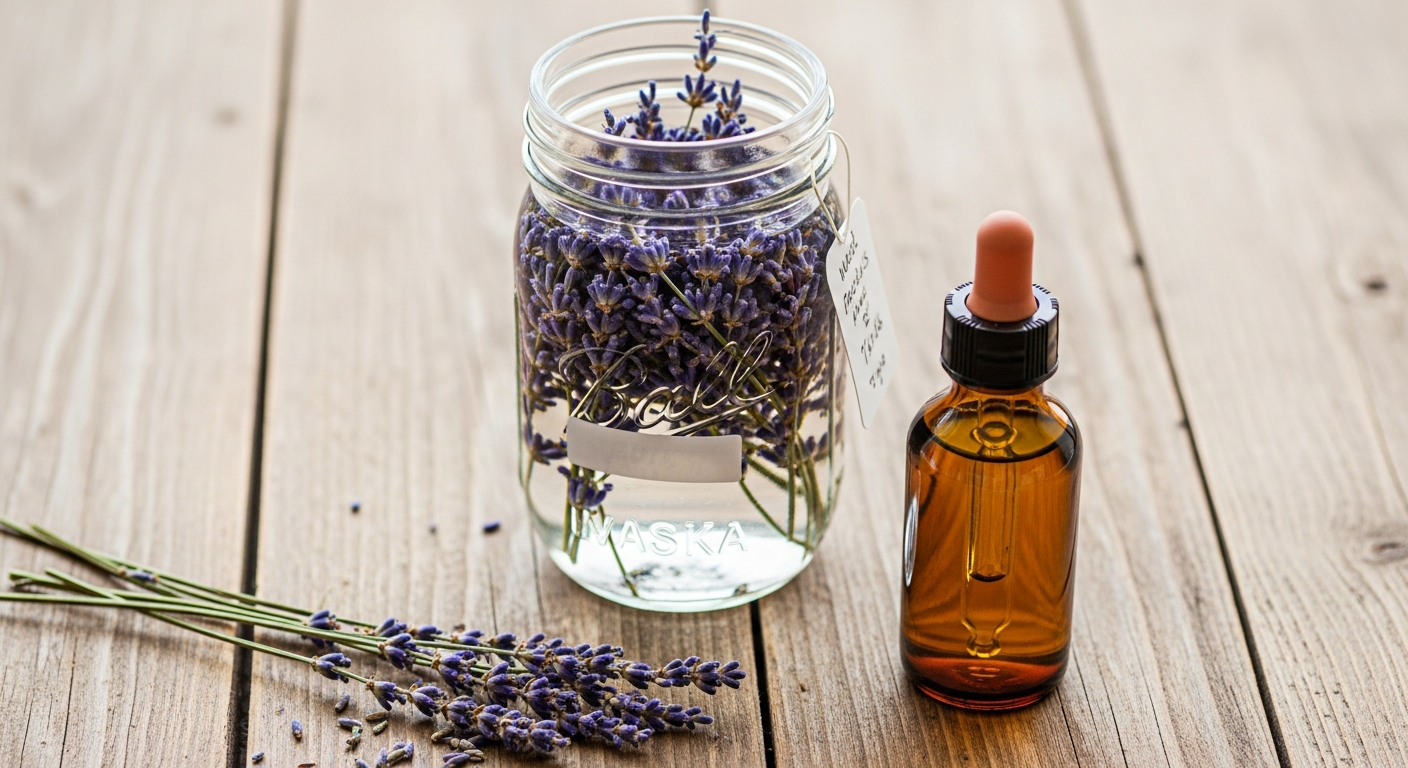
What a Lavender Tincture Does (And How to Make One With Your Backyard Lavender)
Last updated March 11, 2026
I made my first batch of lavender tincture the summer I couldn't figure out what to do with all my dried lavender. I'd made the bundles, the sachets, the soap — and still had a jar sitting on the shelf. Making a tincture took maybe ten minutes of actual work, and that little amber bottle has been the most-used thing in my medicine cabinet ever since. I reach for it when I can't sleep and when one of the kids gets a bug bite — two completely different use cases, same small bottle.
Here's what a lavender tincture actually does, how to make one, and how to use it.
| Quick Answer | |
|---|---|
| What it is | Lavender flowers steeped in vodka — extracts the calming compounds without distillation |
| Best for | Sleep support, anxiety, headaches, itchy skin and bug bites |
| How long to make | 4–6 weeks of steeping, then 10 minutes to strain and bottle |
| Alcohol-free? | Yes — vegetable glycerin works as a substitute |
| Shelf life | 1–2+ years (alcohol version) / 2–3 years (glycerin version) |
What a Lavender Tincture Is (And How It Differs From Essential Oil)
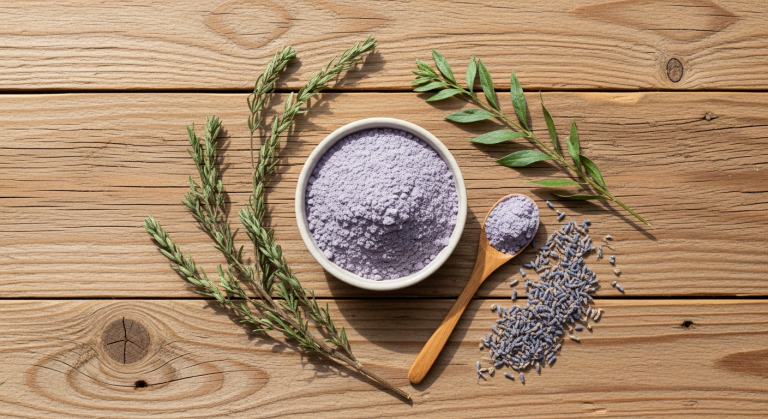
A lavender tincture is simply lavender flowers steeped in alcohol — usually vodka — for several weeks. The alcohol pulls the beneficial compounds out of the plant and holds them in liquid form. It's one of the oldest and most versatile ways to preserve and use herbs, and it requires no special equipment or skills.
It's worth understanding how a tincture differs from the other lavender products you might already know about, because they aren't interchangeable:
| Form | How It's Made | How to Use It |
|---|---|---|
| Tincture | Flowers steeped in alcohol | On skin directly or internally in small amounts |
| Essential oil | Steam-distilled from flowers — highly concentrated | Must be diluted before skin contact |
| Infused oil | Flowers steeped in olive or carrier oil | Directly on skin as a moisturizer or massage oil |
The main practical difference: essential oil is so concentrated it can irritate or even burn skin if you apply it undiluted. A tincture is already diluted in alcohol, which means it's safe to use directly on skin and can be taken internally in small amounts. Of the three, tincture is the most beginner-friendly form to make at home — and the most versatile once it's done.
What Does Lavender Tincture Actually Do? (Benefits by Use Case)
Lavender has been used for centuries for a reason — the calming compounds are real, and research backs them up. The key compound is linalool, which acts on the nervous system in a way that promotes relaxation. Think of it as a gentle nudge toward calm, not a knockout pill.
| Use Case | What It Does | How to Use It |
|---|---|---|
| Sleep | Linalool supports relaxation through the same nervous system pathway as sleep medications — much more gently | A few drops under the tongue or stirred into chamomile tea before bed |
| Anxiety / tension | Studies show lavender can reduce cortisol, the stress hormone — measurable relaxation effects | Drops in water or tea; a few drops rubbed onto the temples |
| Headaches | Anti-inflammatory compounds ease tension when applied topically | 20–30 drops on fingertips, massaged into the temples |
| Itchy skin / bug bites | Calms the histamine-driven inflammation response | 30 drops in 1/2 cup water, applied with a cloth or cotton ball |
I keep a small bottle on my nightstand and another in my first aid kit. It doesn't replace anything — it's just a genuinely useful herb that does what it's supposed to do.
How to Make Lavender Tincture at Home (Step-by-Step)
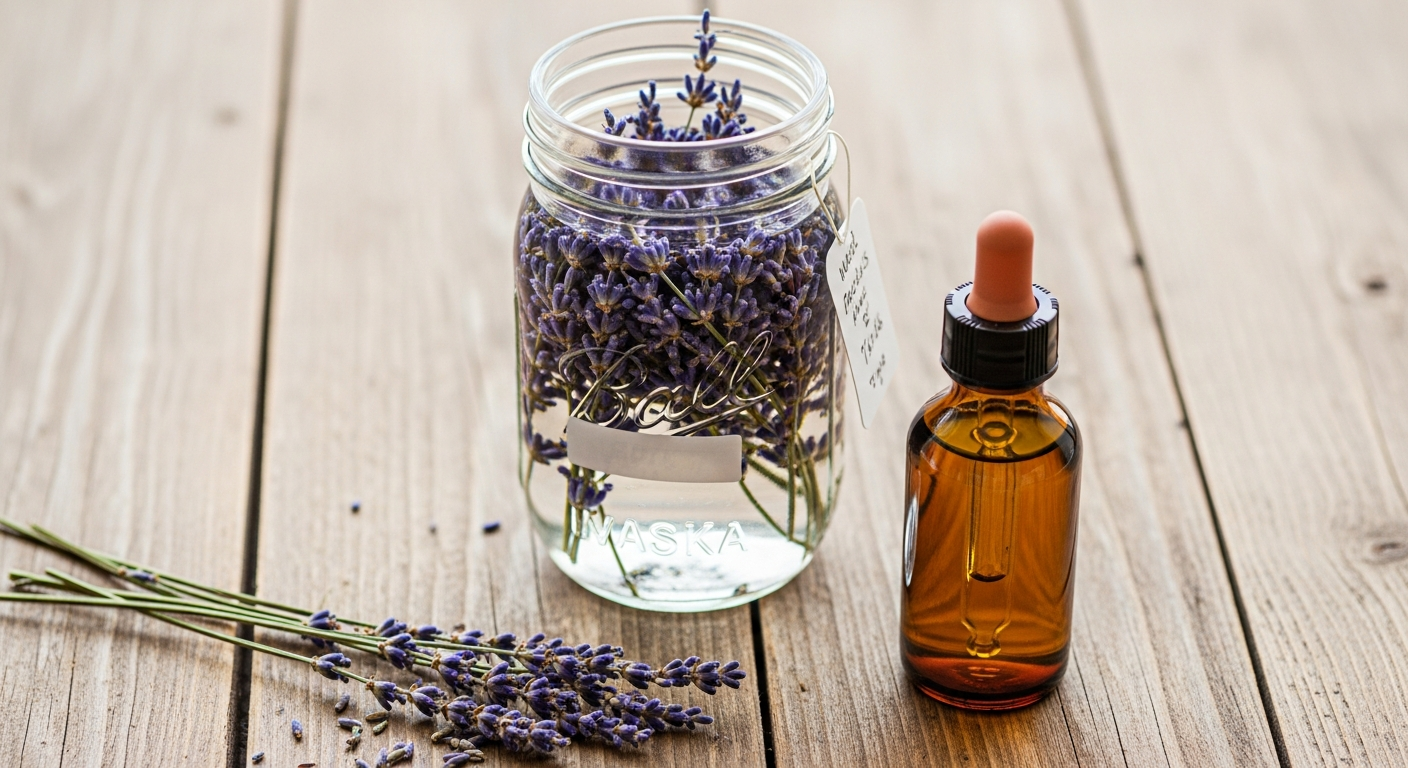
This is one of the easiest herbal preparations you can make. If you grew lavender this year and have dried flowers sitting in a jar somewhere, you're already halfway there. The active work takes about ten minutes — the rest is just waiting.
You'll need:
- 1/2 pint mason jar with lid
- 1/2 cup dried lavender flowers (or 1 cup fresh, loosely packed)
- 80-proof plain vodka — enough to cover the flowers by an inch (about 1 cup)
- Fine mesh strainer or cheesecloth
- Amber glass dropper bottles for storage
Steps:
- If using fresh lavender, harvest in the morning when flowers are just opening — that's when the essential oil content is highest. Spread the flowers on a clean towel and let them wilt for 24 hours before using. This step matters: excess moisture from fresh flowers dilutes the final tincture.
- If using dried lavender, skip straight to step 3. Dried flowers are slightly easier for a first batch since you don't have to worry about wilting.
- Fill your mason jar about halfway with dried lavender flowers, or 2/3 full with fresh flowers loosely packed — don't pack them in tight.
- Pour vodka over the flowers until they're fully submerged with at least an inch of liquid above the plant material.
- Seal the lid tightly. Shake well. Label the jar with the herb name and today's date — don't skip this step, future-you will thank you.
- Store in a cool, dark cabinet. Shake or swirl the jar every few days.
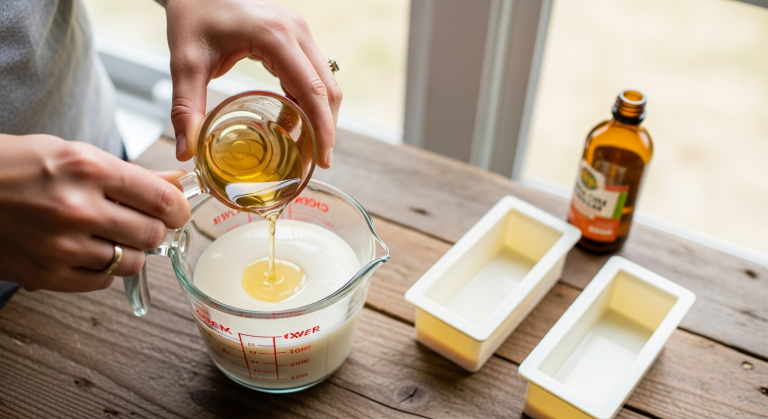
- After 4–6 weeks, strain through cheesecloth or a fine mesh sieve. Press the plant material to extract every last drop of liquid.
- Pour the strained tincture into amber glass dropper bottles. Label again with the herb and date.
- Store in a cool, dark place. Keeps for at least 1–2 years — most herbalists say much longer.
Yield: About 3/4 to 1 cup of tincture per batch — enough to fill two or three dropper bottles. A little goes a long way, so one batch lasts a long time.
Cost: Minimal. If you grew your own lavender, this is essentially free. A bottle of plain vodka and some dried lavender flowers is a few dollars total.
If you love working with lavender, the lavender handmade soap recipe on this site is a perfect companion project — same ingredient, different preparation.
Can You Make It Without Alcohol?
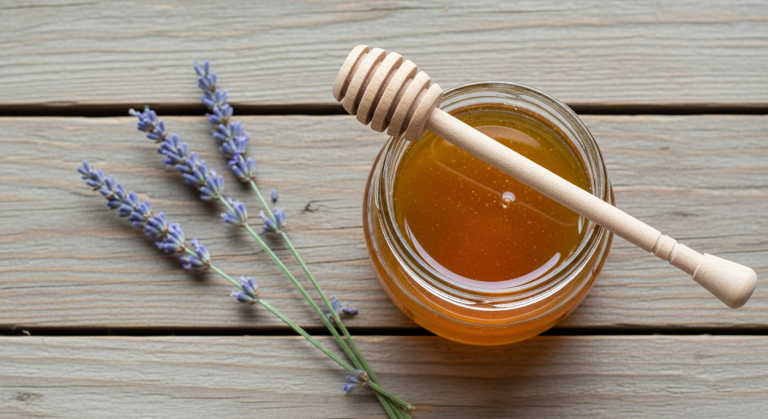
Yes, and it's just as easy. Vegetable glycerin is the go-to alcohol-free substitute for tinctures. It's plant-derived, shelf-stable, and slightly sweet-tasting — which makes it much more pleasant for internal use than the sharp flavor of an alcohol tincture.
Use the exact same process as the vodka recipe, just swap glycerin in 1:1. Same jar, same amount of lavender, same 4–6 week steep time, same straining process. The glycerin pulls out most of the same beneficial compounds, though not quite as efficiently as alcohol — so the result may be slightly less potent. For most homestead uses (sleep support, skin application, adding to tea), it works great.
The main tradeoff: glycerin tinctures have a shorter shelf life — about 2–3 years compared to the essentially indefinite shelf life of an alcohol version. If you're making it for children or for anyone avoiding alcohol, glycerin is the right call.
How to Use Lavender Tincture — 10 Ways
I've tried all of these at some point. Some I use all the time; a few are just fun.
External uses:
- Rub a few drops on your temples for tension headaches, or as a wind-down ritual before bed — the smell alone is calming.
- Dilute in water (about 30 drops per 1/2 cup) and apply to bug bites, rashes, or itchy skin with a clean cloth or cotton ball.
- Add a full dropperful to a warm bath for a deeply relaxing soak.
- Dab a few drops on your wrists as a natural, gentle perfume that fades nicely over a few hours.
- Apply to the scalp and comb through — an old folk remedy for deterring lice that's worth having in the rotation.
- Stir into homemade lotion or body butter to add the benefits alongside the fragrance.
Internal and culinary uses:
- Hold a few drops under your tongue for 30–60 seconds, then swallow — the most direct method for sleep or anxiety support. Fair warning: the flavor is strong and distinctly herbal. Some people love it; some really don't.
- Stir a dropperful into chamomile or herbal tea — it mellows the flavor beautifully and makes a great before-bed drink.
- Add to sparkling water with a squeeze of lemon for a floral, calming mocktail. It also works in a gin cocktail if you're going the other direction.
- A few drops in lavender shortbread, whipped cream, or lemonade — the flavor is authentic and not at all synthetic-tasting.
How Much Lavender Tincture Should You Take?
For external use — applying to skin, adding to a bath, rubbing on temples — there's no real dosage concern. Use what feels right and dilute if you're applying to broken or sensitive skin.
For internal use, start low and work up. I started with about 10–15 drops in a glass of water and went from there. The standard range used by most herbalists and herbal product makers is 30–40 drops (one full dropperful) taken 1–3 times daily. Don't exceed that more than a few times a day — it's a gentle herb, but more isn't always better. If you're pregnant, nursing, or on sedative medications or blood thinners, check with your care provider before using lavender tincture internally.
Frequently Asked Questions
What does a lavender tincture do? Lavender tincture is used to support sleep, ease mild anxiety, soothe tension headaches, and calm itchy or irritated skin. It's made by steeping lavender flowers in alcohol, which extracts the plant's calming compounds in a gentle, versatile form that's safe to use directly on skin or take internally in small amounts.
Does lavender help itchy skin? Yes — lavender has anti-inflammatory properties that can calm itching and reduce irritation. Dilute about 30 drops of lavender tincture in 1/2 cup of water and apply to the affected area with a clean cloth or cotton ball for quick relief.
How do you make lavender tincture? Fill a small mason jar halfway with dried lavender flowers, pour in enough 80-proof vodka to cover the flowers by an inch, seal and shake. Store in a dark cupboard for 4–6 weeks, shaking occasionally. Strain through cheesecloth, bottle in amber glass dropper bottles, and you're done.
Can lavender lower cortisol? Research suggests lavender's active compounds — especially linalool — affect the nervous system in ways that support relaxation and may help reduce cortisol, the stress hormone. It's a gentle herb with a long history of use for nervous tension. Lavender won't replace medical treatment, but many people find it genuinely helpful as part of a calm-down routine.
How long does lavender tincture last? An alcohol-based lavender tincture stored away from light and heat lasts at least 1–2 years — most herbalists say it's good for much longer than that. Glycerin-based tinctures have a shorter shelf life of about 2–3 years. Label your bottles with the date so you always know what you're using.