How Much Do Silkie Chickens Cost? (2026 Pricing Guide for Backyard Flocks)
Last updated March 12, 2026
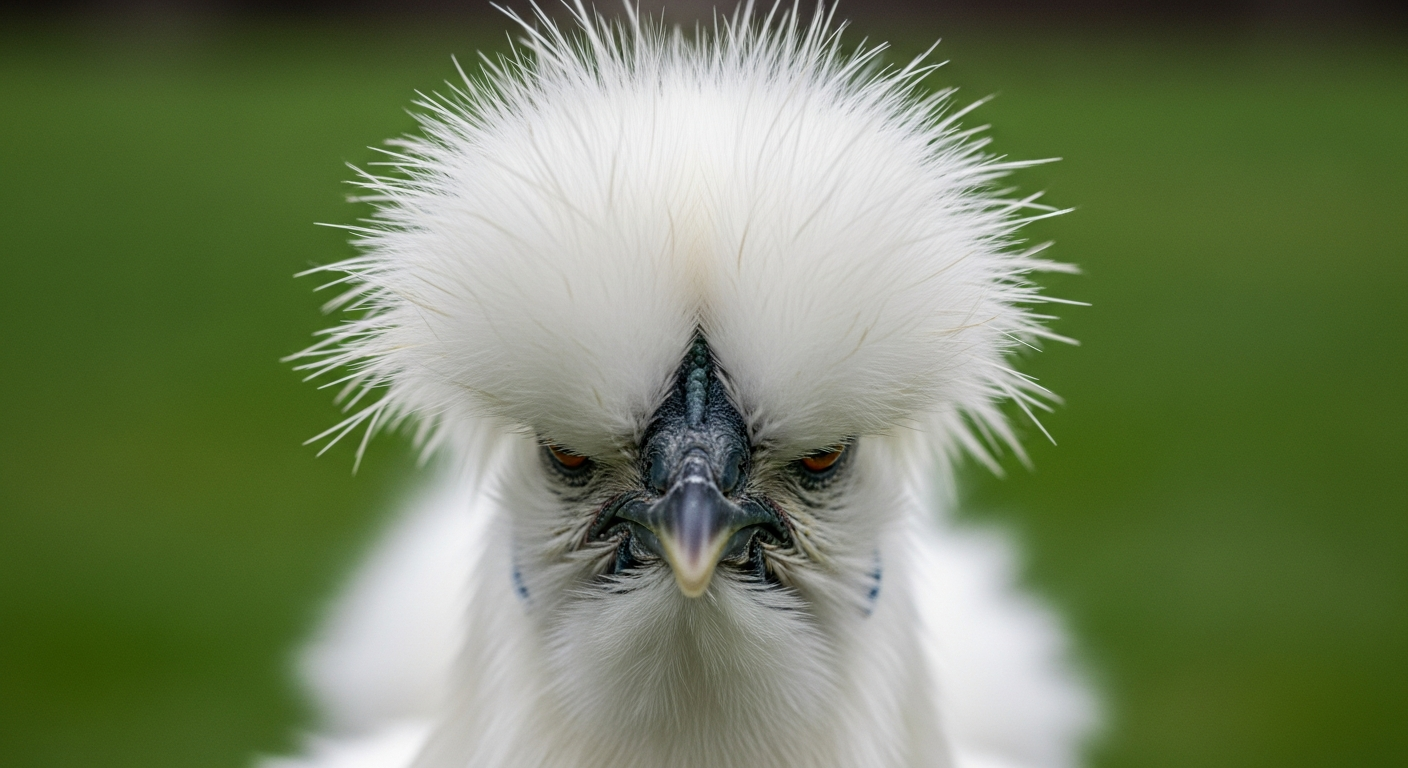
If you've ever scrolled past a photo of a Silkie chicken and immediately gone down a rabbit hole, I completely understand. With their fluffy, fur-like feathers and impossibly calm personalities, they're one of those breeds that makes people rethink what a chicken even is. But before you order a batch of chicks, it helps to know what you're actually getting into financially — because Silkie prices vary a lot depending on where you buy, what age you buy, and whether you need confirmed females.
Here's the short answer, and then I'll break it all down.
| Type | Typical Price Range | Notes |
|---|---|---|
| Day-old chick (hatchery, straight run) | $4.50–$16.50 | Higher end = sexed females |
| Juvenile (1–3 months old) | $25–$55 | Local sellers / breeders only |
| Adult Silkie (4–6+ months) | $60–$95 | Near or at laying age |
| Hatching eggs | ~$6/egg ($24 for 4) | Need an incubator or broody hen |
If you're buying from a hatchery, expect to pay around $5–$7/chick for straight-run (unsexed) birds. If you need confirmed pullets — females only — that price nearly doubles. Here's what to expect from each source, and how to decide what makes sense for your situation.
Silkie Chick Prices by Hatchery: A Side-by-Side Comparison
No single hatchery has the best deal for every buyer. The right choice depends on how many birds you want and whether you need sexed females. Here's how the major hatcheries compare right now:
| Hatchery | Straight Run | Sexed Female | Min. Order | Ships |
|---|---|---|---|---|
| Freedom Ranger Hatchery | $4.50/chick (1–49) | $7.00/chick | 15 (spring/summer), 25 (fall/winter) | Year-round |
| Myers Poultry | $6.45/chick (5–29) | Not offered | 5 | Mar–Aug |
| Cackle Hatchery | $6.31–$6.63/chick | Not specified | Varies | Feb–Aug |
| Meyer Hatchery | $13.30 (assorted) | $16.50/chick | 3 | Apr–Nov |
A note on the biggest variable: straight run means unsexed, roughly 50% male and 50% female. You won't know what you're getting until they mature at 3–4 months old. If you want confirmed hens, Meyer Hatchery is your best option — they offer sexed females and have a 3-chick minimum, which is the lowest you'll find anywhere. Freedom Ranger has the cheapest straight-run price, but their 15–25 bird minimums make them impractical if you're only adding a few Silkies to a small flock.
For most backyard keepers who want 2–5 confirmed pullets, Meyer is worth the premium. For someone building a larger breeding flock and comfortable with the rooster reality, Freedom Ranger or Myers offer real savings.
Day-Old to Full-Grown: How Silkie Prices Change by Age
Hatcheries only sell day-old chicks. But if you're buying from a local breeder or a seller on Facebook Marketplace, you'll encounter birds at all ages — and the price goes up significantly as they get older.
| Age | Typical Price |
|---|---|
| Day-old to 2 weeks | ~$10 |
| 2–4 weeks | $10–$25 |
| 1 month | $25–$35 |
| 2 months | $40–$45 |
| 3 months | $50–$55 |
| 4 months | $60–$65 |
| 5 months | $70–$75 |
| 6 months | $80–$85 (most starting to lay) |
| 7 months+ | $95 (reliable layers) |
(These are local seller / small breeder prices — major hatcheries sell day-old chicks only.)
The price premium makes sense when you think about what you're paying for. A 5-month-old Silkie costs $70–$75 more than a day-old chick, but that price includes five months of brooder costs, feed, heat, care, and the time it takes to figure out if the bird is actually a hen. When you factor in setting up a brooder — a heat plate runs $30–$50, plus chick starter feed and supplies — buying an older, confirmed female starts to look like a reasonable shortcut.
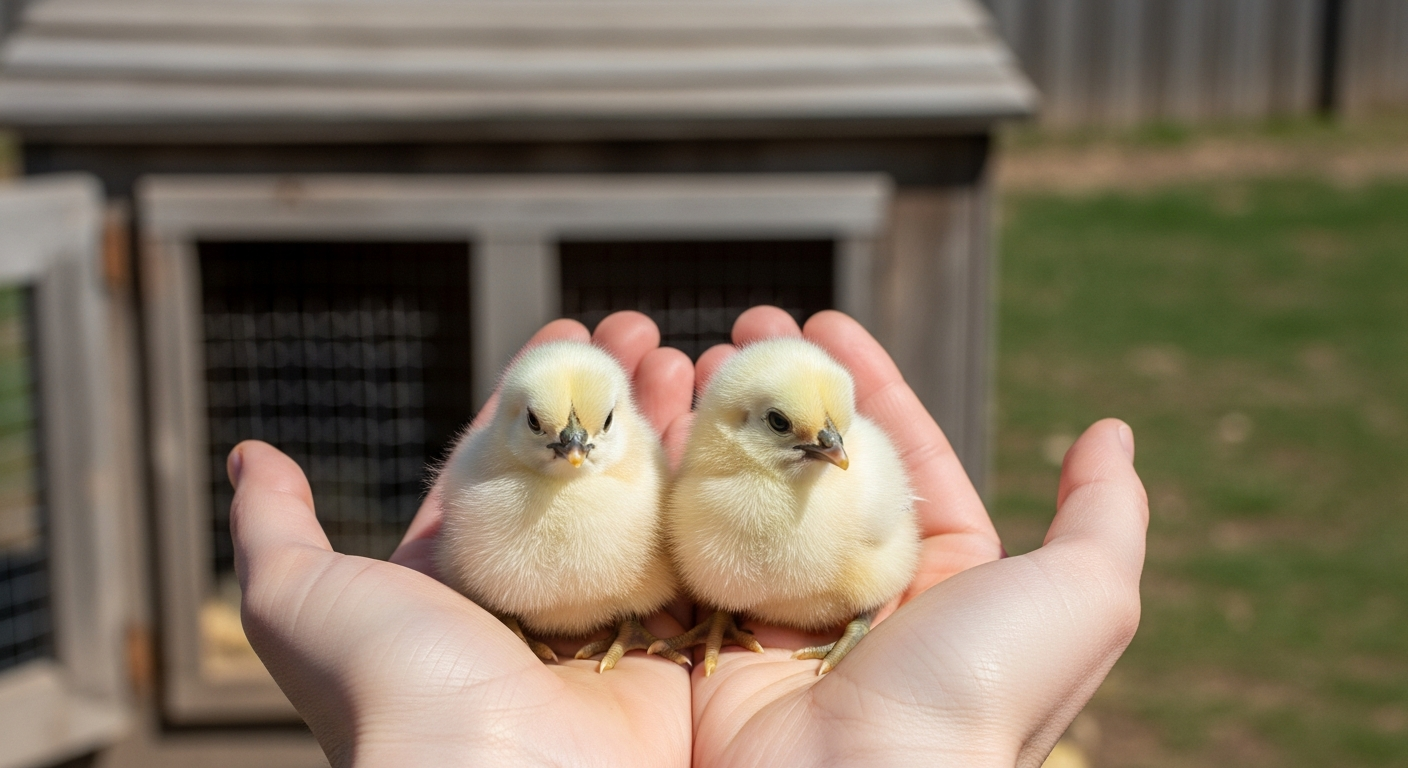
That said, if you're patient and enjoy raising chicks from the start, day-old hatchery birds are the most affordable route. It just takes longer, and straight-run orders mean you'll likely have some roosters to deal with.
Where to Buy Silkie Chickens (And What Each Option Costs)
You have three main options, each with real tradeoffs.
Online hatcheries are the most straightforward. You order online, they ship day-old chicks directly to your door within a day or two of hatching. Selection is good, pricing is transparent, and major hatcheries have solid health and shipping guarantees. The downside: you can't inspect the birds before they arrive, most have minimum order requirements, and shipping stress can occasionally affect very young chicks. Best for: first-time buyers who want reliable breed standards and a predictable experience.
Local breeders charge more per bird — typically $15–$50/chick depending on quality — but you can see the parents, inspect the birds in person, and often find uncommon colors like chocolate, lavender, or buff that aren't available from large hatcheries. You'll find local breeders through Facebook Marketplace, BackYardChickens.com classifieds, and local homestead and poultry groups. Best for: buyers who care about show quality, want to inspect birds before purchasing, or are looking for specific color varieties.
Farm markets, Craigslist, and Facebook Marketplace offer the widest price range — anywhere from $5 to $30 per bird — and quality varies just as much. You might find a great deal from someone downsizing a flock. You might also get a bird that's had no health care, no vaccination history, and questionable genetics. If you go this route, ask to see the parents if you care about type, and ask about vaccination history before introducing any new bird to your existing flock.
My honest take: for pets and broody hens, hatchery quality is completely fine and the easiest way to start. I'd only seek out a local breeder if I wanted show-quality birds, a specific uncommon color, or the ability to pick my birds in person. The convenience of ordering from a reputable hatchery is hard to beat when you're just getting started.
Why Are Silkie Chickens More Expensive? (3 Real Reasons)
If you've shopped around and noticed that Silkies cost noticeably more than a standard production breed, there are real reasons for that — not just supply-and-demand.
1. Silkies are harder to sex accurately. Their unusual barbless feathers make the standard vent-sexing technique significantly less reliable than it is with other breeds. Hatcheries that offer sexed Silkie pullets charge a premium because it takes more time, more expertise, and still comes with a higher error rate — Meyer estimates about 10% inaccuracy on sexed orders. That uncertainty gets priced into what you pay.
2. They're a specialty breed, not a commercial one. Rhode Island Reds and Leghorns were developed specifically for maximum egg and meat output — high volume, cost-efficient production. Silkies were bred for type, temperament, and show, which means a smaller, more specialized breeding program with less volume and higher per-bird costs.
3. Lower egg production means fewer chicks to sell. A Silkie hen lays roughly 100–120 eggs per year, compared to 250–300 for a high-production layer. Fewer eggs means fewer chicks hatched per breeding hen, which means smaller supply and higher per-bird prices throughout the market.
None of this makes Silkies a bad value — just a different category of chicken than a utility breed. You're buying temperament, broodiness, and personality alongside the bird.
Silkie Hatching Eggs: Are They Actually Cheaper?
Hatching eggs seem like the budget move until you do the math. Here's what to expect.
Silkie hatching eggs typically run about $6 per egg, sold in small lots — around $24 for 4 eggs, or $55 for a dozen. The appeal is obvious: it's a cheaper entry point than buying day-old chicks, and there's something satisfying about hatching your own flock.
But you need either an incubator or a broody hen to make it work. A basic incubator starts around $50; nicer models with automatic egg-turning run $80–$100. You'll also need to wait 21 days for hatch, then another 5–6 months before pullets start laying. And because you can't sex eggs, you'll get roughly half roosters in your hatch — which matters a lot if you live in an area with rooster restrictions.
One more thing worth knowing: hatching rates for shipped eggs average around 70–80%, and sometimes lower if the eggs experienced significant temperature swings in transit. A dozen eggs might yield 8–10 chicks in a good hatch.
The honest math: if you already own an incubator and have hatched eggs before, Silkie eggs are a fun, cost-effective way to add birds. If you're buying equipment from scratch to hatch them, you're spending $50+ on an incubator plus $55 on eggs — which puts you near the same total cost as just buying day-old chicks, with more variables and a longer timeline. If you have a broody hen already willing to sit, eggs are a genuinely good deal.
The Full Budget Breakdown: What Silkies Really Cost to Own
Once you've bought your birds, here's what the ongoing costs actually look like — and the good news is that nothing about keeping Silkies is dramatically more expensive than other backyard chickens.
Feed: No premium. Silkies eat standard layer pellets, the same as any other chicken. Budget around $0.20–$0.25 per bird per day — the same as a Rhode Island Red or a Buff Orpington. You don't need a special diet or supplements.
Housing: The one real consideration. Silkies' beautiful feathers are not waterproof. If they get soaked through in a rainstorm, they can't thermoregulate well, and that creates health problems. They need a dry, well-ventilated coop where they can get out of the rain. If you already have a solid coop, this isn't a new expense. If you're starting from scratch specifically for Silkies, factor in a covered run or adequate shelter — something with a roof over their outdoor space, not just open wire.
The straight-run rooster reality. If you order straight-run chicks to save $7–$10 per bird, statistically half will be roosters. If you're in a neighborhood or municipality where roosters aren't allowed, or simply don't want to deal with rehoming them, buying sexed pullets from Meyer at the higher price point often makes more sense than dealing with the surplus. It's not a scare tactic — it's just math worth doing before you order.
Everything else about keeping Silkies is standard backyard chicken care. Their feathered feet may need occasional trimming in very muddy or wet conditions, and their crest might need a trim if it grows over their eyes, but these are scissors-and-10-minutes tasks, not vet visits.
Best Time to Buy Silkie Chicks (Availability by Season)
Most major hatcheries follow a seasonal shipping schedule, and buying at the right time means better selection and shorter wait times.
Spring (March–May) is the best window. Most hatcheries start shipping in late winter or early spring, full color selections are available, and wait times on popular ship dates are shortest. If you're reading this in March, the best April and May dates are booking now — don't wait.
Summer (June–August) still has solid availability at most hatcheries, though some specific dates sell out several weeks out, especially for popular colors. Order a few weeks ahead to get your preferred date.
Fall and winter (November–February) is when selection thins significantly. Several hatcheries reduce or stop Silkie shipments entirely. Freedom Ranger's minimum order jumps to 25 chicks in this window, and Meyer doesn't ship Silkies until April. If you're planning a spring flock, late winter is when you should be placing orders — not when you're ready to build the coop.
Practical advice: decide whether you want Silkies this year, then get on a hatchery's schedule before you've done everything else. The planning can happen while you wait for your ship date.
Are Silkie Chickens Worth the Money? My Honest Take
I'll admit that when I first looked at Silkie prices, I hesitated. I could add two or three production layers for what one confirmed Silkie pullet costs. It felt like paying a luxury tax.
Then my first Silkie hen went broody.
She sat on a clutch of eggs — not her eggs, eggs I'd put under her from a different breed — and she stayed on that nest with the kind of commitment you don't often see in a chicken. When those eggs hatched, she mothered every single one of them like they were her own. I've had plenty of chickens over the years, but I've never had a better broody hen than a Silkie. If you want to hatch eggs naturally, a Silkie is genuinely one of the best tools on the farm.
Beyond broodiness, they're the most kid-friendly bird I've kept. My kids can carry them around. They don't flap, they don't scratch, and they don't panic. For a family homestead where kids are part of the chicken routine, Silkies are worth every dollar.
Worth it if:
- You want a reliable natural broody for hatching your own eggs
- You have kids who'll be handling the birds regularly
- You want personality and visual interest in a pet flock — something people stop and comment on
Think twice if:
- Egg production is your priority — at 100–120 eggs per year, they're not a utility layer
- You have a highly aggressive mixed flock — Silkies are gentle and can get picked on by dominant breeds like Rhode Island Reds
- You want a meat bird — they're too small and the black skin is unfamiliar for most home processing
For the right homestead setup, Silkies are absolutely worth the extra $5–$10 per bird compared to a production breed. Just know what you're getting: a gentle, fluffy, broody-prone bird that your whole family will probably end up naming.
Frequently Asked Questions About Silkie Chicken Prices
How much do Silkie chickens cost? Day-old Silkie chicks from a hatchery typically cost between $4.50 and $16.50 each, depending on the hatchery and whether you're buying straight-run or sexed females. Older birds from local sellers run $25–$95 depending on age — closer to laying age means a significantly higher price.
Why are Silkie chickens more expensive than regular chickens? Three reasons: Silkies are harder to sex accurately due to their unusual barbless feathers, they're a specialty breed with lower egg production (fewer chicks available per breeding hen), and they're not a commercial breed, so supply is smaller and more specialized than production breeds like Leghorns or Rhode Island Reds.
Where is the cheapest place to buy Silkie chickens? Freedom Ranger Hatchery offers straight-run Silkies starting at $4.50 per chick, but requires a minimum of 15–25 birds depending on the season. For small quantities, Myers Poultry has a 5-chick minimum at $6.45/chick. If you want just 2–3 confirmed pullets, Meyer Hatchery's 3-chick minimum (at $16.50/bird for sexed females) is the most practical option for a small backyard flock.
Can I buy just 2 or 3 Silkie chicks? Yes — Meyer Hatchery has a 3-chick minimum, which is the lowest available from a major hatchery. Local sellers on Facebook Marketplace or BackYardChickens.com classifieds will often sell individual birds with no minimum at all, though quality and age will vary.
How much do Silkie hatching eggs cost? Silkie hatching eggs typically run about $6 per egg, sold in small lots — around $24 for 4 or $55 for a dozen. You'll need either an incubator or a broody hen, and expect a 70–80% hatch rate with shipped eggs. You also can't sex eggs, so plan for roughly half roosters.
Are Silkie chickens good for beginners? Yes — they're one of the most beginner-friendly breeds available. They're calm, gentle, and easy to handle, which makes routine care and health checks much simpler than with flighty or aggressive breeds. The one thing beginners should know upfront: Silkies need dry shelter because their feathers aren't waterproof.
What is the minimum order for Silkie chicks from a hatchery? Minimums vary significantly: Meyer Hatchery requires just 3 chicks, Myers Poultry requires 5, and Freedom Ranger requires 15–25 depending on the time of year. If you only want 1–2 birds, your best option is a local seller rather than a hatchery.