Too Many Eggs? Here's What to Do with Your Surplus
Last updated March 11, 2026
Too Many Eggs? Here's Your Game Plan
Fastest fix tonight: Frittata, shakshuka, or egg fried rice — each uses 6-8 eggs and comes together in 30 minutes Use them up this week: French toast casserole (6-8 eggs), flourless chocolate cake (10 eggs), or egg noodles (6-8 eggs, dry and store for months) Best preservation method: Freeze using a silicone muffin tin — one egg per cup, lasts up to 1 year Long-term storage: Water glassing with hydrated lime — keeps eggs fresh 12-18 months without refrigeration (farm-fresh unwashed eggs only) Don't overlook: Give extras to neighbors, sell a dozen or two, or scramble and feed back to your hens
Why You Have So Many Eggs Right Now
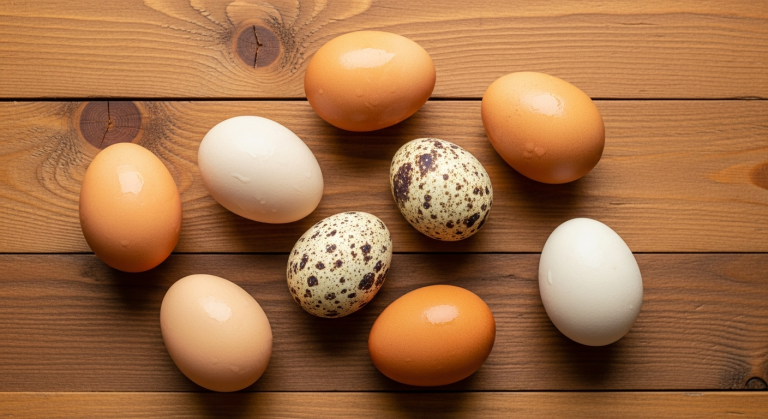
Around here, the moment the days start getting longer, the egg production goes from a trickle to a flood. Hens respond to increasing daylight, and once we hit spring, we can go from a dozen eggs every few days to two dozen a day before I even know what's happening. If you have backyard chickens, this is one of those good-problem moments — but it doesn't feel that way when you're stacking cartons on every flat surface in the kitchen.
The good news is there are more ways to deal with a surplus than you might think, from high-egg-count recipes you can make tonight to preservation methods that keep eggs usable for up to 18 months. Here's your game plan.
Recipes That Use Up the Most Eggs (Quick-Reference Table)
Before I get into the full breakdown, here's a cheat sheet so you can quickly find a recipe based on how many eggs you need to use up.
| Recipe | Eggs Used | Meal Type | Freezes? |
|---|---|---|---|
| Breakfast Taco Casserole | 16 | Breakfast | ✅ |
| Sunshine Cake (egg yolk cake) | 12 yolks | Dessert | ✅ |
| Flourless Chocolate Cake | 10 | Dessert | ✅ |
| Eggs Benedict (family of 5) | 8-10 | Breakfast | ❌ |
| French Toast Casserole | 6-8 | Breakfast | ✅ |
| Egg Noodles | 6-8 | Dinner | ✅ |
| Frittata | 6-8 | Breakfast/Dinner | ✅ |
| Dutch Baby (double batch) | 8 | Breakfast | ❌ |
| Quiche | 4-6 | Breakfast/Dinner | ✅ |
| Egg Custard/Pudding | 6-8 | Dessert | ⚠️ |
| Egg Salad | 6-8 | Lunch | ❌ (3 days fridge) |
| Deviled Eggs | 6-12 | Snack | ❌ |
| Hard Boiled Eggs | Any # | Snack/Meal prep | ❌ (1 week fridge) |
The sections below break things down by timing — what to make tonight, what to batch cook this week, and what to put up for later.
Use Them Up Tonight — Quick Egg Dinners
Dinner is actually my favorite way to burn through a surplus quickly, because the portions are bigger and nobody asks why we're having eggs again. A few options that work on any weeknight:
Frittata is my most-reached-for option — it uses 6-8 eggs, takes about 25 minutes start to finish, and you can throw in whatever vegetables and cheese you have on hand. Make it in a cast iron skillet, finish it under the broiler, and dinner is done.
Shakshuka — eggs poached in spiced tomato sauce — uses 4-6 eggs and is one of those meals that feels like you put in more effort than you did. Serve with crusty bread to soak up the sauce. It's a favorite around here when we're dealing with both a tomato and egg surplus at the same time.
Egg fried rice is a weeknight staple that uses 3-4 eggs per batch, and you can easily double it. Cold cooked rice works best — it's one of the few recipes where leftover rice is actually an advantage.
Egg drop soup uses 4-6 eggs and comes together in under 15 minutes. It's surprisingly filling and works well as a starter or a light dinner alongside a salad.
Pasta with a fried egg on top sounds too simple, but it genuinely works. Toss pasta with olive oil and garlic, lay a fried or poached egg on top, and the yolk becomes the sauce. Use 1-2 eggs per person and you can work through a lot at once.
Use Them Up This Week — Breakfasts and Baking
These are the recipes I reach for when the eggs have been piling up for a few days and I want to do something that feels a little more planned.
Breakfasts:
French Toast Casserole uses 6-8 eggs for a 13×9 pan and can be assembled the night before. It bakes in the morning while you're getting the kids ready and slices nicely for leftovers throughout the week. This is one of the best surplus recipes because it makes a lot, tastes special, and uses a genuinely useful number of eggs.
Quiche takes 4-6 eggs and works equally well for breakfast, lunch, or dinner. Make two while you're at it — they freeze well and reheat nicely.
Dutch Baby Pancake uses 4 eggs per skillet (double the batch and you're using 8). It puffs up dramatically in the oven and feeds a family with one pan.
Egg muffin cups — scrambled eggs baked in a muffin tin with cheese, veggies, and meat — use 8-12 eggs for a full batch of 12 and are perfect for grab-and-go breakfasts all week.
Baking:
Flourless Chocolate Cake uses 10 eggs and is genuinely one of the best cakes I've made. It stores in the fridge for a week and freezes beautifully — slice and wrap individual pieces so you can pull one out whenever you want it.
Homemade egg noodles use 6-8 eggs and can be made in bulk, dried, and stored for months. They're a more hands-on project, but once you have a supply of dried noodles in the pantry you'll reach for them constantly.
Egg custard or pudding uses 6-8 eggs and is a simple, old-fashioned dessert that's worth making when you have yolks to use up.
Make-Ahead Freezer Wins
The smartest thing you can do with an egg surplus is cook it into something your future self will thank you for. These options freeze well and can be pulled out as needed:
Breakfast casserole portions — make a full 13×9 pan of egg casserole, let it cool, cut into individual servings, wrap each piece, and freeze. Reheat in the microwave for a fast breakfast. It holds up well for 2-3 months.
Egg muffin cups freeze individually — make a full batch, cool completely, then freeze in a single layer before transferring to a bag. Pop one or two out the night before and they're ready to reheat in the morning. Lasts up to 3 months.
Flourless Chocolate Cake freezes better than almost any other baked good. Wrap individual slices in plastic wrap, then foil, and they'll keep for 3 months without losing anything.
Dried egg noodles are essentially shelf-stable once dried — lay them on a drying rack for 24 hours, then store in an airtight container in a cool spot. They last several months and work in soups, with butter, or with any sauce.
How to Preserve Raw Eggs for Months
If you can't cook through the surplus in time, raw egg preservation extends your window dramatically — from weeks to months or even over a year. Here are the three methods I actually use.
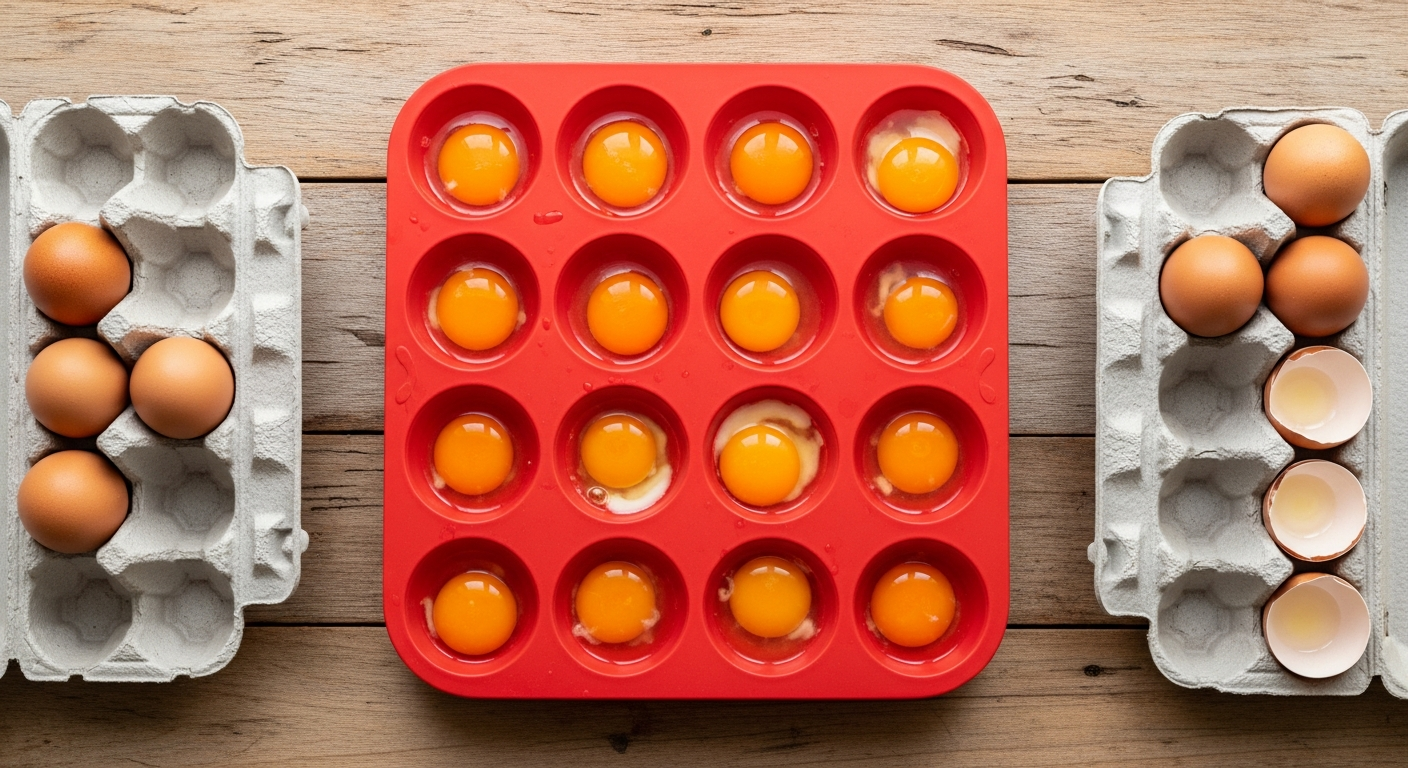
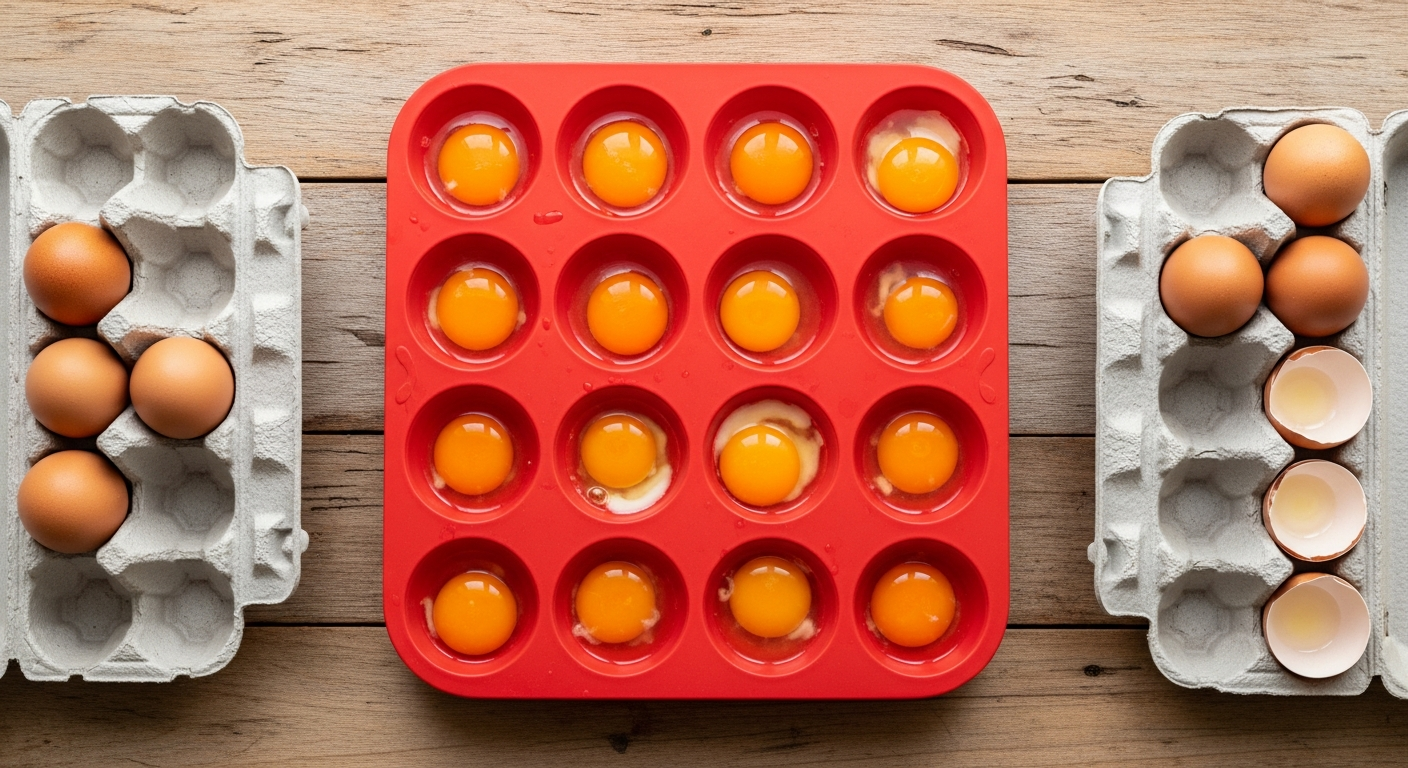
How to Freeze Eggs (The Muffin Tin Method)
This is the easiest preservation method and the one I recommend starting with. The trick is freezing individual eggs so you can thaw exactly what a recipe calls for instead of breaking up a frozen block.
- Crack one egg into each well of a muffin tin
- Add a pinch of salt to each egg you plan to use for savory cooking, or a pinch of sugar for eggs you'll use in baking — this prevents the yolks from getting gummy when frozen
- Scramble each egg gently in its well
- Place the muffin tin in the freezer and leave until completely solid — several hours, or overnight
- Pop the frozen eggs out — a silicone muffin tin works best here because you can just press from the bottom and they pop right out; for metal tins, run a little warm water on the bottom of the pan
- Transfer to a labeled freezer-safe bag and note whether you used salt or sugar
- Use within 12 months
One egg per cup means you can pull out exactly the number a recipe calls for. That's the biggest advantage of this method over scrambling everything together into a bag.
How to Pickle Eggs
Pickling is a simple way to preserve hard-boiled eggs in the refrigerator for 3-4 months. Hard boil and peel your eggs, submerge them in a vinegar brine in a clean mason jar, and refrigerate.
One important note: pickled eggs are a refrigerator preservation method only. Do not attempt to water-bath can pickled eggs for the pantry — they are not safe for shelf-stable home canning. Keep them in the fridge and eat within 3-4 months.
How to Water Glass Eggs (Keeps Eggs Fresh for Up to 18 Months)
Water glassing is an old-fashioned preservation method that keeps raw eggs fresh at room temperature for 12-18 months. It sounds more complicated than it is — once you've done it once, it just becomes part of your fall routine.
What you need:
- Hydrated lime (also called pickling lime or calcium hydroxide — NOT garden lime and NOT quicklime)
- Filtered or distilled water
- A large clean glass jar or food-grade bucket
- Gloves (lime can be hard on skin)
- Unwashed farm-fresh eggs with their bloom intact
Important: This method only works with eggs that have never been washed. The bloom — the natural protective coating on a fresh egg — is what keeps bacteria out during storage. Store-bought eggs are washed before sale and won't work for water glassing.
How to do it:
- Mix 1 oz of hydrated lime with every 8 oz of filtered water. Whisk until dissolved.
- Gently place your unwashed eggs into the lime solution, small end down if possible.
- Cover the container and store in a cool, dark place.
- When you're ready to use an egg, simply remove it, rinse it well, and use as normal.
The lime will settle to the bottom over time — that's normal. As long as the eggs are fully submerged and the jar smells fine, your eggs are good.
Other Ways to Deal with the Overflow
Sometimes the answer isn't another casserole. Here are a few other options worth knowing about:
Give them away. Farm-fresh eggs are a kind of community currency — I've traded dozens of eggs for tomato seedlings, a jar of local honey, and homemade sourdough. Offer extras to neighbors, coworkers, your church, or your local Facebook neighbors group. People genuinely appreciate farm-fresh eggs.
Sell them. A roadside egg stand or a listing on Facebook Marketplace can turn your surplus into a little extra income. Farm-fresh eggs typically sell for $4-6 per dozen in most markets, sometimes more. Most U.S. states allow small-scale egg sales from backyard flocks with minimal or no licensing requirements — but regulations vary by state and county, so check your local agricultural extension office before you set up a stand.
Feed cooked eggs back to your hens. Scrambled eggs are a high-protein treat that laying hens genuinely love and benefit from. The one rule: always cook the eggs first. Feeding raw eggs to chickens can teach them to eat their own eggs out of the nest box, which becomes a habit that's very hard to break.
Use the shells. Don't throw the eggshells away. Crush and dry them, then feed them back to your hens as a free calcium supplement for strong eggshells. You can also crush them and work them into garden beds as a slow-release calcium amendment.
Frequently Asked Questions About Using Up Eggs
What can I do with a lot of extra eggs?
Use them in high-egg-count recipes like frittata (6-8 eggs), French toast casserole (6-8 eggs), or flourless chocolate cake (10 eggs). Freeze extras using the muffin tin method for up to 12 months. For very long-term storage, water glass them in hydrated lime solution — they'll keep 12-18 months without refrigeration.
Can you freeze eggs?
Yes. Crack eggs into a silicone muffin tin, add a small pinch of salt or sugar to each, scramble gently, freeze solid, then pop out and transfer to a labeled freezer bag. Frozen eggs last up to 12 months. Thaw in the refrigerator overnight before using.
Can you freeze hard-boiled eggs?
No — the egg whites become rubbery and unpleasant when frozen. Hard-boil only what you'll eat within a week. Raw eggs freeze much better than cooked whole eggs.
What recipe uses the most eggs?
Breakfast Taco Casserole uses 16 eggs per 13×9 pan. Sunshine Cake uses 12 egg yolks. Flourless Chocolate Cake uses 10 whole eggs. All three freeze well, so they're worth making when you have a real surplus.
How long do fresh eggs last in the refrigerator?
Whole uncracked eggs: 4-5 weeks. Cracked whole eggs: up to 2 days. Egg whites: up to 4 days. Egg yolks: up to 2 days. Farm-fresh eggs that still have their bloom intact can last even longer unwashed on the counter in a cool spot — but once washed, refrigerate and use within 5 weeks.
Can I sell eggs from my backyard chickens?
In most U.S. states, yes — small-scale egg sales from backyard flocks are permitted with minimal licensing. Regulations vary significantly by state and county, so check with your local agricultural extension office or state department of agriculture before you start selling. Most small producers selling a few dozen a week at a roadside stand or online have very few hoops to jump through.