How to Make Mullein Tincture at Home (Alcohol & Alcohol-Free Versions)
Last updated March 11, 2026
Mullein Tincture at a Glance
- Herb: 1 cup dried mullein leaf
- Liquid: 1 cup 80-100 proof vodka (standard grocery store vodka works perfectly)
- Jar: 16 oz glass mason jar
- Steep time: 4-6 weeks in a cool, dark cabinet — shake every 2-3 days
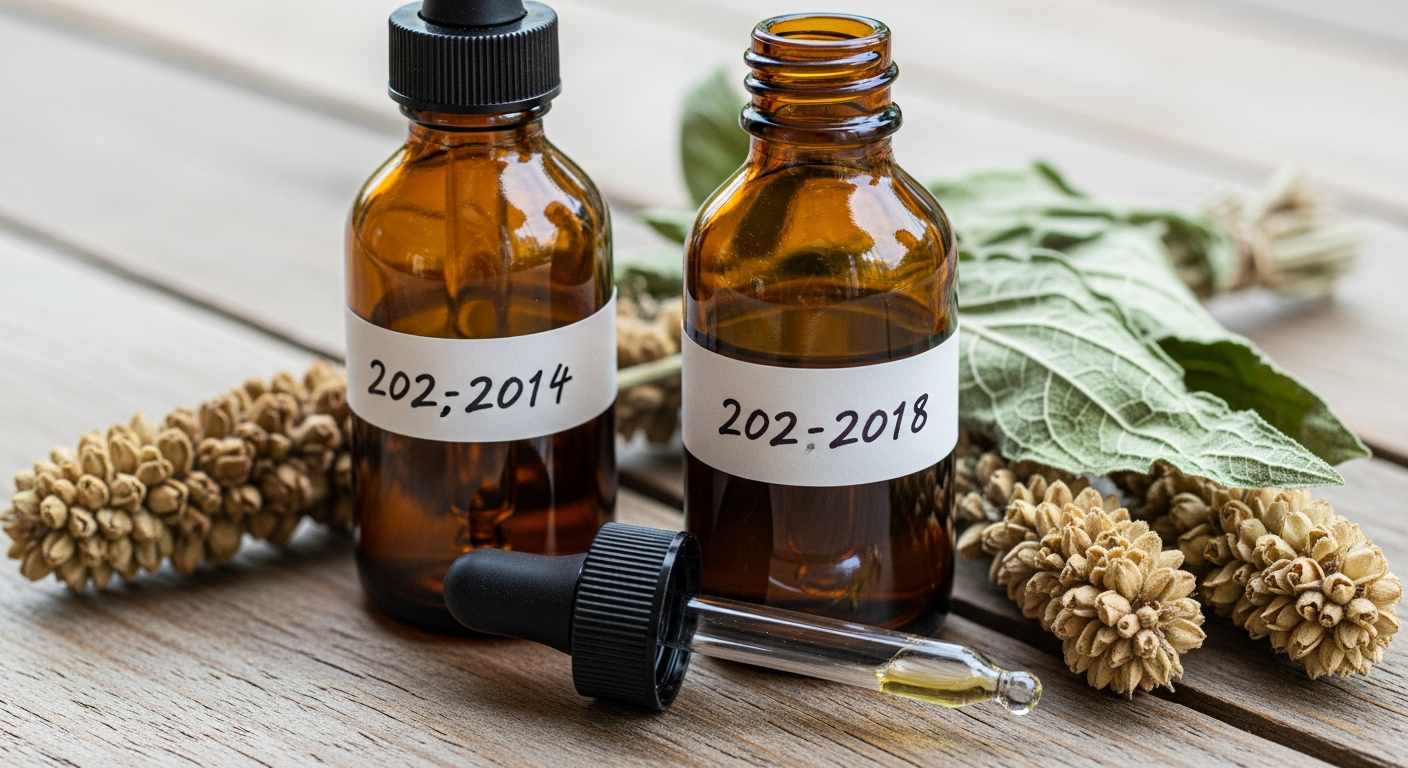
- Store: Strain through cheesecloth, then bottle in small amber glass dropper bottles
What Is Mullein Tincture (and Why Make It Yourself)?
Mullein is that tall, fuzzy-leafed plant that grows wild on roadsides and in fields — and it's been used for centuries to support respiratory health. The tincture is a concentrated liquid extract made by soaking dried mullein leaves in alcohol or glycerin. People reach for it when they have a stubborn cough, chest congestion, or bronchitis, and it's been a staple of folk herbal medicine for good reason.
I started keeping this in my medicine cabinet after we had a brutal chest cold two winters ago. A bottle from the health food store was $20 and would last us a few weeks. A homemade batch costs a few dollars in ingredients, lasts for years, and I know exactly what went into it. You can make the whole thing in about 10 minutes of active time — the hard part is just waiting for it to steep.
What You Need to Make Mullein Tincture
You probably already have most of this at home.
For both versions:
- Dried mullein leaf — 1 cup (you can forage your own and dry it, or buy it online)
- 16 oz glass mason jar — a regular wide-mouth canning jar works perfectly
- Cheesecloth or fine mesh strainer — for straining at the end
- Small amber glass dropper bottles — for storage; the dark glass helps preserve potency
Alcohol version:
- 80-100 proof vodka — standard grocery store vodka is exactly what you want. Don't use Everclear or high-proof grain alcohol — more isn't better here. 80-100 proof is the sweet spot.
Glycerin version (alcohol-free):
- Food-grade vegetable glycerin — find it in the baking or supplement aisle, or online
- Distilled water — you'll mix 3 parts glycerin to 1 part water; more on that in the glycerin recipe section below
How to Make Mullein Tincture with Vodka (Step-by-Step Recipe)
This couldn't be simpler. Here's the whole process:
- Break up your dried mullein leaves. Don't grind them — just crumble them between your hands a bit to expose more surface area. This helps the vodka extract the good stuff more efficiently.
- Fill your jar about one-third full with the dried mullein. It's a fluffy, light herb — it'll look like a lot, but it doesn't weigh much. Don't pack it down.
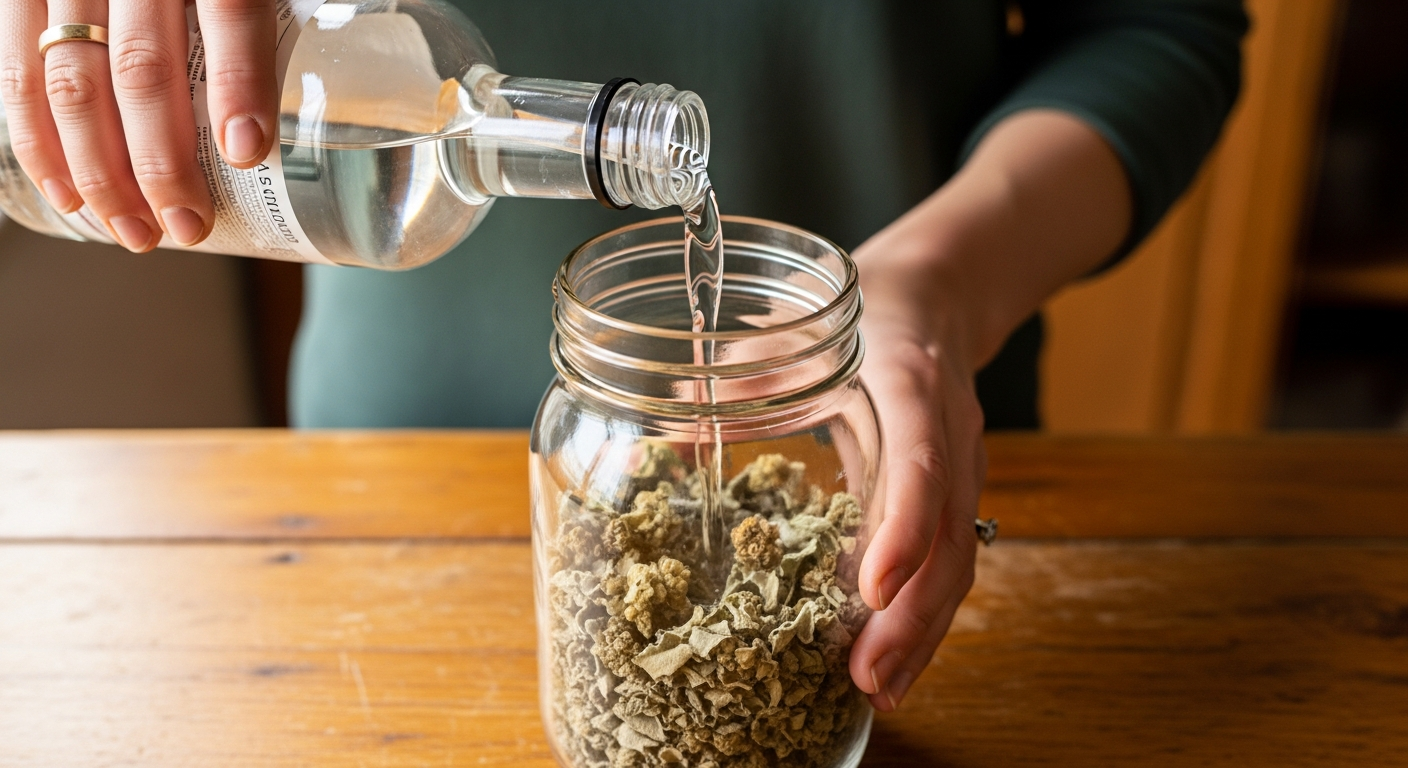
- Pour your vodka over the mullein until it's completely covered, then add a little more — you want the herb fully submerged. If any mullein floats above the liquid, press it back down and add more vodka.
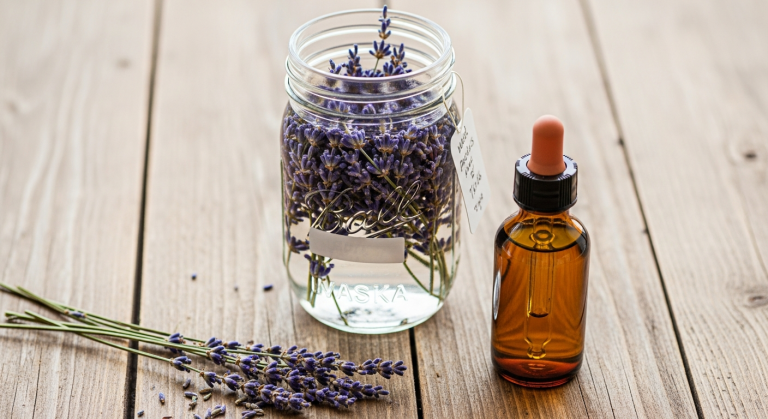
- Seal the jar tightly and label it with today's date. A piece of masking tape and a Sharpie is all you need.
- Store in a cool, dark cabinet — a kitchen pantry or cupboard works great. Shake the jar every 2-3 days to keep things moving.
- After 4-6 weeks, strain your tincture. Pour it through cheesecloth into a bowl, then squeeze the cheesecloth to get every last drop. Transfer to your amber dropper bottles and label them with the date.
The tincture will turn a deep amber-brown color as it steeps — that's exactly what you want. If you shake it and it looks thin and pale after a couple of weeks, that's fine — it'll deepen over time.
What Proof Vodka Should I Use?
If you've never bought vodka for tincture-making, here's what you need to know: "proof" is just twice the alcohol percentage. So 80 proof = 40% alcohol.
For mullein, 80-100 proof (40-50% alcohol) is the sweet spot. Standard grocery store vodka is almost always 80 proof — that's exactly what you want. Cheap store-brand vodka works just as well as any premium brand, so don't spend more than you need to.
Avoid high-proof grain alcohol like Everclear (190 proof, or 95% alcohol). Counter-intuitively, very high proof alcohol actually pulls less of the beneficial compounds from mullein — it can "dehydrate" the plant material and give you a weaker tincture. Stronger is not better here.
If you're making this for the first time, just grab a $12 bottle of standard vodka. Done.
How to Make Mullein Tincture Without Alcohol (Glycerin Recipe)
If you want to avoid alcohol entirely — whether for yourself, your kids, or personal preference — you can make an equally effective tincture using food-grade vegetable glycerin. The process is almost identical to the vodka version, with a few small differences.
Your liquid: Mix 3 parts food-grade vegetable glycerin with 1 part distilled water. This ratio gives glycerin the right viscosity to extract the plant's beneficial compounds properly. Pure glycerin on its own is too thick; the water helps it penetrate the leaf material.
The process is the same: Fill your jar one-third with crumbled dried mullein, pour your glycerin-water mixture over it until the herb is fully submerged, seal it, label it with the date, and store it in a cool, dark place. Shake every 2-3 days, just like the alcohol version.
Steep it longer: Glycerin extracts more slowly than alcohol, so plan for 6-8 weeks instead of 4-6. Be patient — it's worth it.
Shelf life is shorter: An alcohol tincture lasts 3-5 years. A glycerin tincture is best used within 1-2 years, so keep that in mind when you're labeling your bottles.
One bonus: Glycerin is naturally sweet, so the finished tincture tastes noticeably milder than the alcohol version. Many kids actually prefer it. For children ages 2 and up, the glycerin version is the better choice — always dilute it in water before giving it to little ones.
How to Use Mullein Tincture — Dosage Guide
You made it — now here's how to actually use it.
| Who | Dosage | How to Take |
|---|---|---|
| Adults | 20-30 drops, 2-3x daily | Dilute in water or herbal tea |
| Children 2-12 | 5-10 drops, 1-2x daily | Always dilute; consult your doctor |
| Adults 65+ | 15-20 drops, 2x daily | Start low; monitor how you feel |
| Pregnant/nursing | Avoid | Consult healthcare provider |
Drop your dose into a small glass of warm water or herbal tea. The warmth helps the tincture disperse evenly, and for the alcohol version, a little warmth takes the edge off. Don't take it on an empty stomach — it can cause some nausea if you do.
I usually take mine in a small glass of warm chamomile tea when I feel a cough coming on. It doesn't taste like much — a mild, slightly earthy bitterness, nothing unpleasant. Within a day or two, I notice my chest feeling looser and the cough becoming more productive.
Is Mullein Tincture Safe?
Mullein is considered very safe for most people, but there are a few things worth knowing before you start.
The most important one: never use mullein seeds in your tincture. The seeds contain compounds that are toxic internally. Use leaves only — and only from plants you've correctly identified.
Beyond that, common-sense precautions apply. Stomach upset can happen if you take too much or take it on an empty stomach, so start with the lower end of the dose range. If you're on blood thinners or diabetes medication, check with your doctor before adding any herbal supplement to your routine — mullein may interact with both. Stop using it immediately if you develop a rash, unusual shortness of breath, or any unexpected reaction, though these responses are rare. And as noted in the dosage table, pregnant or nursing women should avoid it — there isn't enough research on safety during pregnancy to recommend it.
Mullein Tincture vs. Mullein Tea — Which One Should You Make?
People ask this a lot, so let me just give you a straight answer.
| Mullein Tincture | Mullein Tea | |
|---|---|---|
| Prep time | 10 min active + 4-6 weeks | 5-10 minutes |
| Potency | More concentrated | Milder |
| Shelf life | Years | Drink same day |
| Dosing precision | Easy (drops) | Less precise |
| Best for | Acute issues, travel, long-term use | Daily maintenance, gentler support |
| Alcohol-free? | Glycerin version, yes | Always |
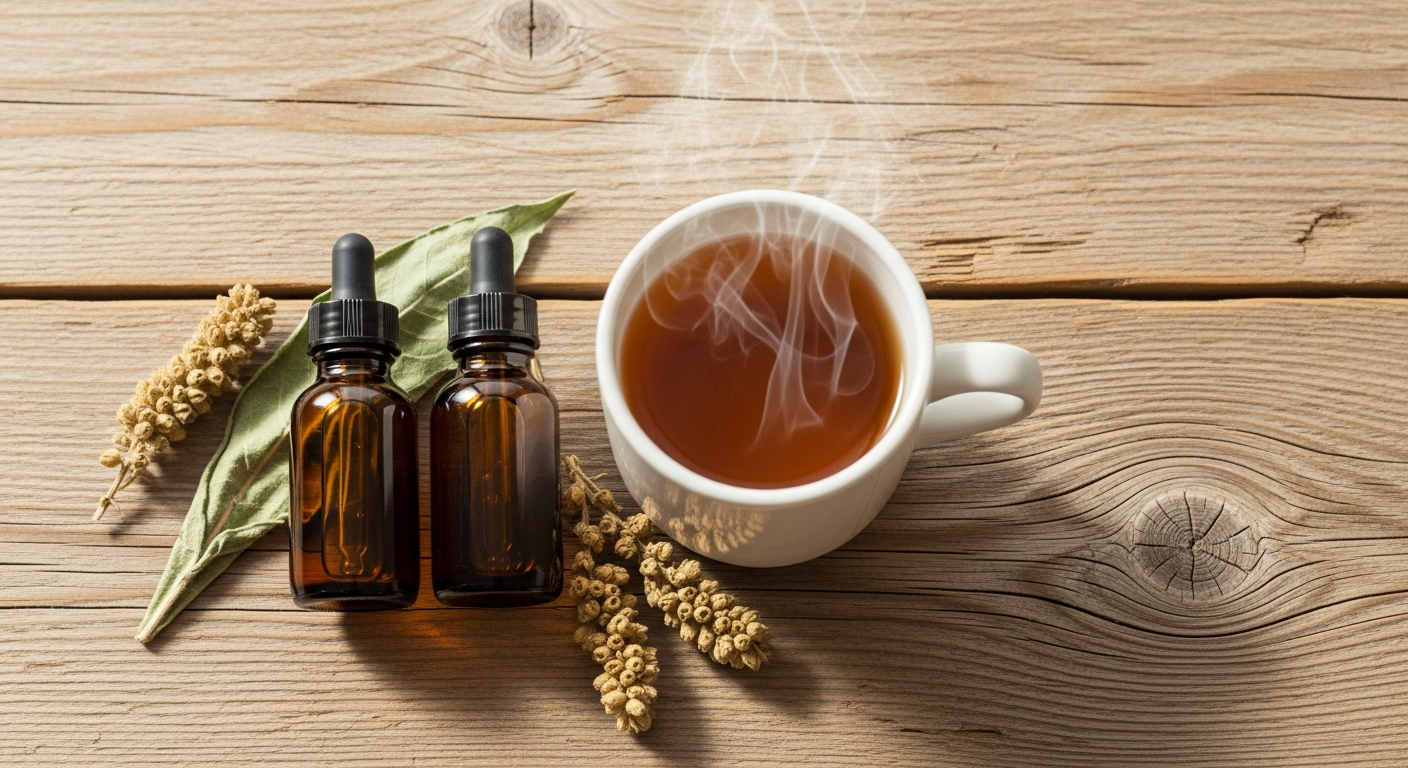
If you're dealing with an active cough or chest congestion right now, the tincture is more effective because it's concentrated and easy to dose precisely. For everyday immune support during cold season — a cup of mullein tea in the evening — that works perfectly well too.
Honestly, if you have time, make both. Start the tincture today so you have it ready for winter, and brew a cup of tea from the same dried mullein in the meantime.
Where to Get Mullein (Grow It, Forage It, or Buy It)
If you've ever driven a rural highway or walked a field edge, you've probably walked right past mullein without knowing it.
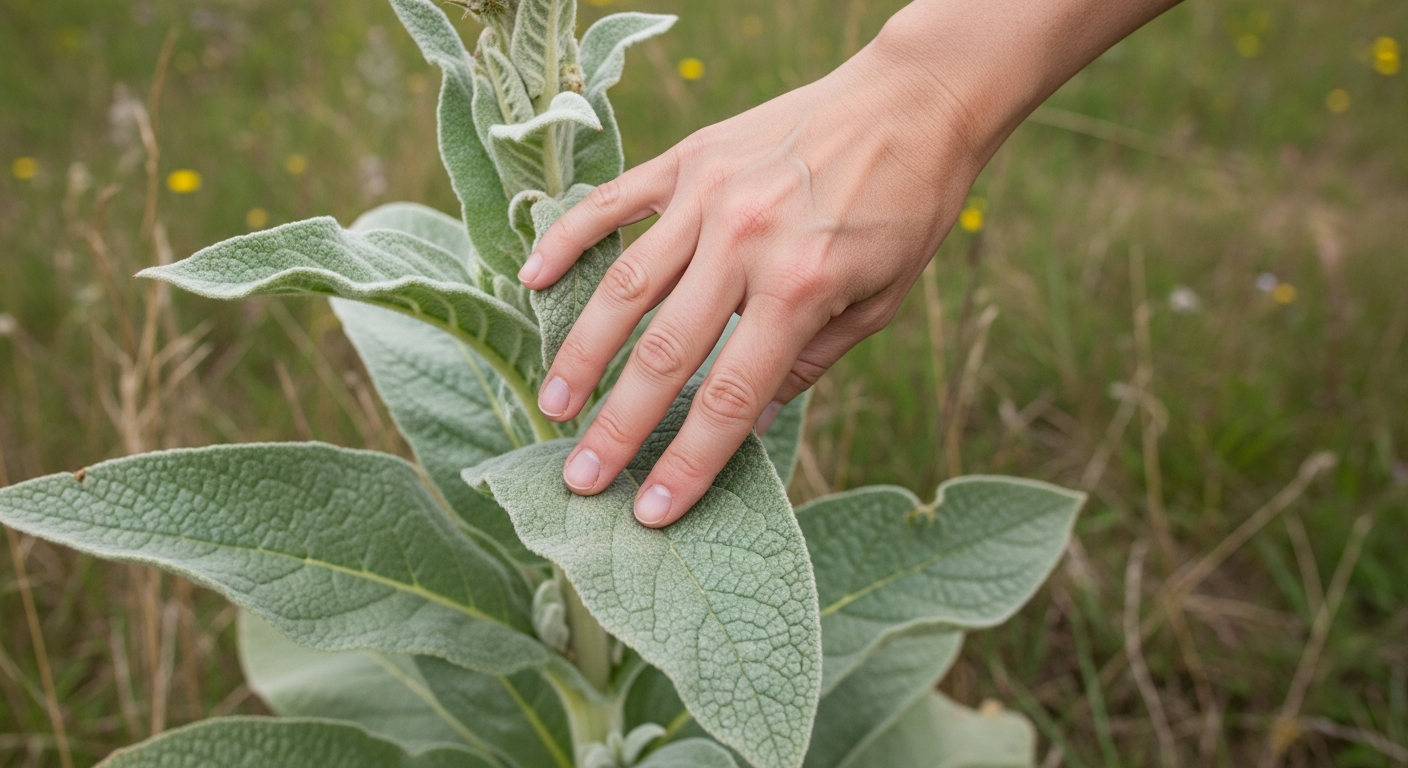
Mullein is a biennial weed that grows wild across most of North America — you'll find it on roadsides, in disturbed soil, along fence lines, and in any open sunny area where the ground has been turned. It's one of the easier plants to identify for foraging because it's so distinctive. In its first year, mullein grows as a low rosette of large, thick, silver-green leaves covered in soft fuzzy hairs — almost velvet-like. Those first-year leaves are what you want for tincturing; they have the highest concentration of the plant's beneficial compounds. In its second year, the plant sends up a tall flower spike that can reach five or six feet.
Harvest the leaves in year one, then dry them thoroughly before you start your tincture — fresh leaves contain too much moisture and can cause spoilage.
One harvesting tip: those fuzzy hairs can irritate some people's skin and sinuses. Wear gloves when you're handling fresh mullein, and don't rub your eyes after touching the leaves.
If you're not in an area where mullein grows wild, or you'd rather skip the foraging step, dried mullein leaf is easy to find online — Starwest Botanicals and Frontier Co-op both sell it, and it's generally inexpensive.
How Long Does Mullein Tincture Last?
An alcohol-based mullein tincture will keep for 3-5 years when stored properly — meaning in amber glass, away from direct sunlight and heat. A glycerin-based tincture has a shorter shelf life of about 1-2 years.
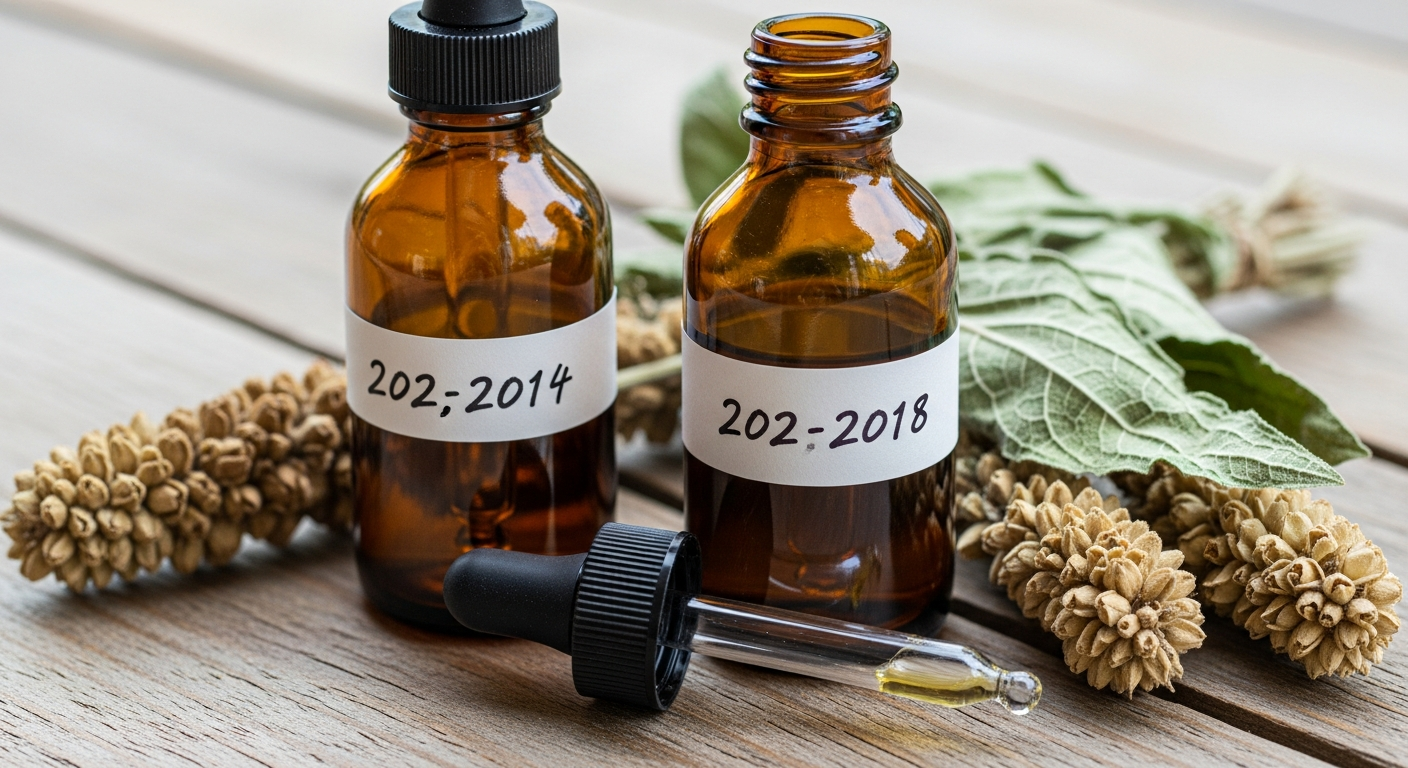
In both cases, label your bottles with the date you made them. I write the date right on the bottle with a Sharpie — simple, and you'll thank yourself later.
Signs that a tincture has gone off: it smells noticeably different (off or musty), the color has changed dramatically, or there's visible mold. With proper storage in sealed amber bottles, none of these should happen, but it's worth knowing what to look for.
Frequently Asked Questions
What alcohol is best for mullein tincture? 80-100 proof vodka is the ideal choice — that's 40-50% alcohol, which is exactly what standard grocery store vodka provides. Brandy works too. Avoid high-proof grain alcohol like Everclear — despite the intuition that stronger is better, 80-100 proof actually extracts mullein's beneficial compounds more effectively.
Can I use fresh mullein leaves instead of dried? You can, but dried is much easier for beginners. Fresh leaves contain a lot of water, which dilutes your tincture and can cause spoilage if you're not careful. If you're working with fresh leaves, dry them first — spread them in a single layer on a screen or rack for 1-2 weeks until completely dry before tinturing.
Is mullein tincture safe for kids? The glycerin version is the better choice for children — it's alcohol-free, milder, and naturally sweet. For kids ages 2-12, use 5-10 drops diluted in water, once or twice daily. Always check with your child's doctor before giving any herbal supplement, especially if your child takes medication or has a health condition.
How do I know when my tincture is ready? After 4-6 weeks, your tincture should have turned a deep amber-brown color and smell noticeably earthy and herbal when you open the jar. If it still looks pale and watery, seal it back up and give it another week or two. Some batches take a little longer depending on the freshness of your herb.
Can I combine mullein with other herbs in the same tincture? Yes — mullein pairs well with elderberry, echinacea, or thyme for respiratory support. Make sure each herb you're adding is safe to use internally, and stick to dried herbs to avoid moisture issues. Combine them in the jar at the start, before you add your liquid.
Is mullein tincture the same as mullein oil? No — they're different preparations with different uses. Mullein oil is typically made by infusing the flowers (not leaves) in olive oil, and it's most commonly used for ear infections as an external remedy. Mullein tincture uses leaves, is alcohol or glycerin-based, and is taken internally to support respiratory health.