Is Soap a Base or an Acid? The Plain-English Answer (+ Why It Matters for Natural Living)
Last updated March 11, 2026
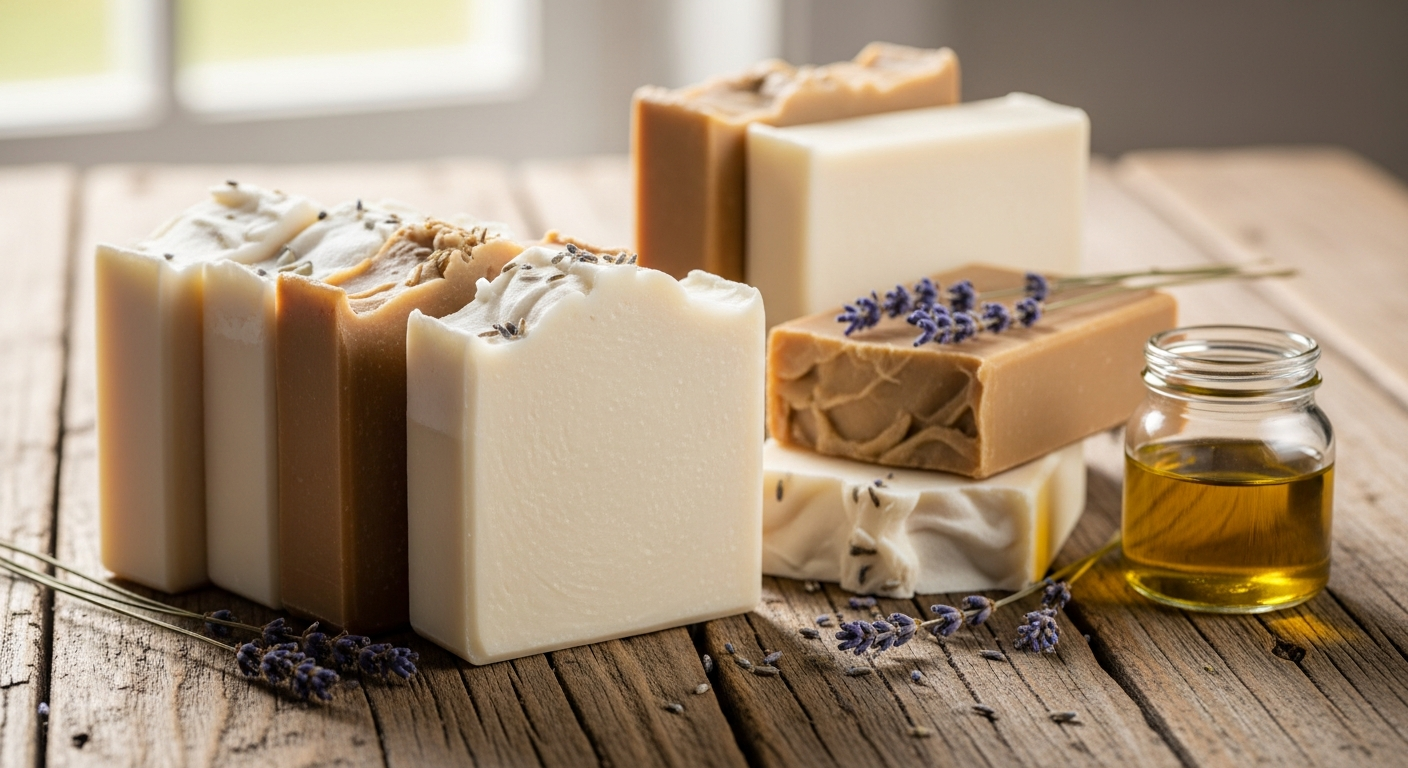
Yes, soap is a base — specifically an alkaline salt with a pH of around 9 to 10. It's made by combining fats or oils with lye (a strong base) in a reaction called saponification. That reaction also produces glycerin as a natural byproduct, which is one of the reasons real handmade soap is so gentle on skin.
What Makes Soap a Base? The Chemistry in Plain English
I know — "chemistry" can sound intimidating, but I promise this part is actually simple once you see it laid out. Think of soap making like a seesaw: you have oils on one side and lye on the other, and when they're in perfect balance, you get soap. Too much lye and you get a harsh, skin-stripping bar. Too much oil and you get a soap that won't lather properly. It's all about getting them in proportion.
It Starts with Lye — A Very Strong Base
Lye is sodium hydroxide (for bar soap) or potassium hydroxide (for liquid soap). On its own, lye has a pH of 13 to 14 — that's genuinely caustic stuff. You don't want to get undiluted lye on your skin, which is why you'll always see the safety warnings about gloves and ventilation when people talk about soap making.
But here's the important part: the lye is 100% consumed during saponification. Not a trace remains in finished soap. It's similar to what happens when you mix baking soda and vinegar — neither ingredient survives the reaction. They combine and become something entirely new. The same thing happens with lye and oils: the lye disappears into the reaction and what's left is soap and glycerin.
Add Fats or Oils (the Acid Side)
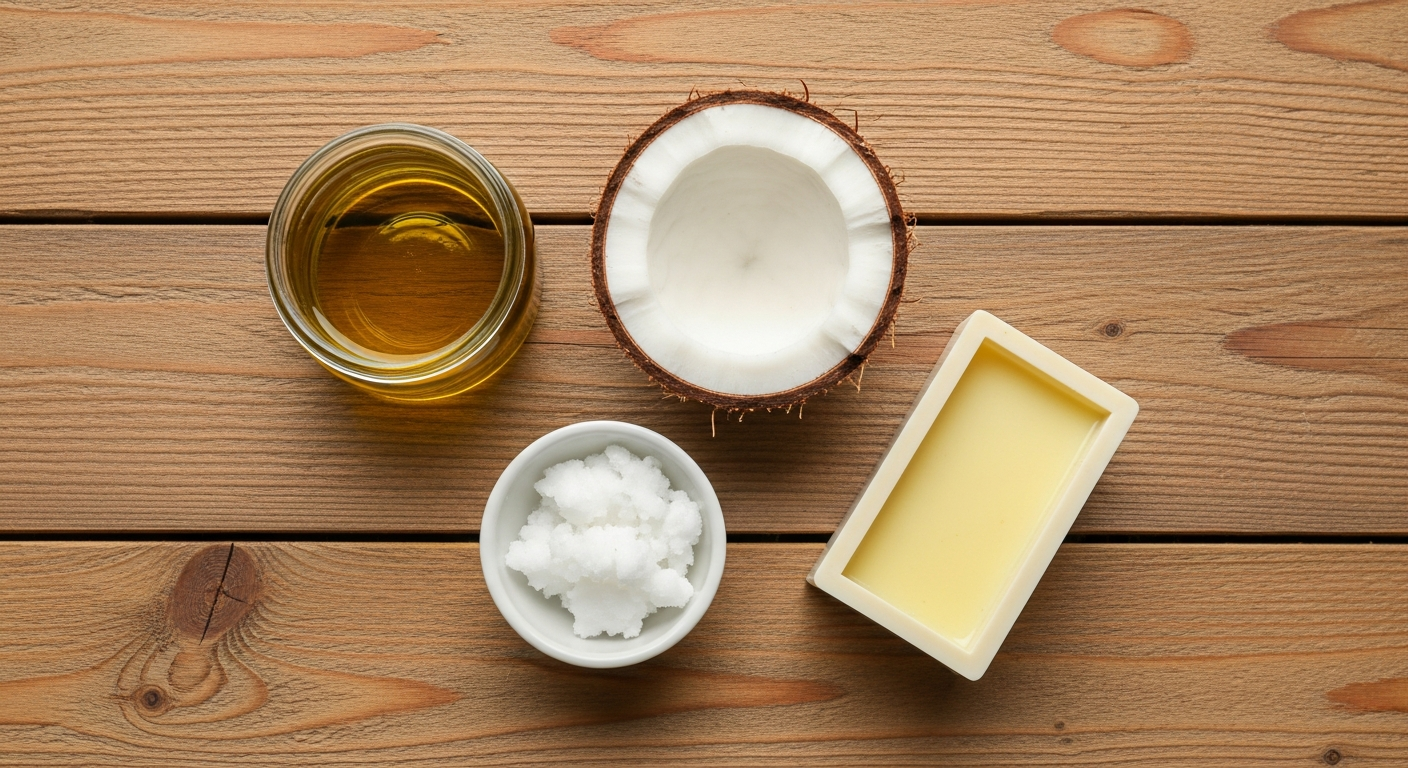
The other half of the reaction is the oils or fats — things like olive oil, coconut oil, castor oil, or lard. These are fatty acids, and they're weakly acidic. They're the "seesaw" opposite to the lye. Every soapmaking recipe is really just a calibrated ratio of these two things: how much alkali, how much oil, which oils for what properties.
Common soapmaking oils each bring something different — coconut oil for lather and hardness, olive oil for conditioning, castor oil for bubbles, and so on. But the chemistry is the same regardless of which oils you choose.
The Result: A Mildly Alkaline Salt at pH 9-10
When the saponification reaction completes, you end up with two things: soap and glycerin. The soap tests at a pH of roughly 9 to 10 — basic, but not aggressively so. For comparison, baking soda sits at pH 9, bleach is around pH 12 to 13, and plain water is neutral at pH 7.
If you want to test this yourself, a pH strip in soapy water will confirm it. It's one of those simple home science experiments that's actually kind of fun to do.
Wait — Is Your "Soap" Actually Soap?
Here's something I found out when I started looking into soap making that genuinely surprised me: most of the products you buy at the store labeled "soap" aren't actually soap by the FDA's definition. They're synthetic detergents.
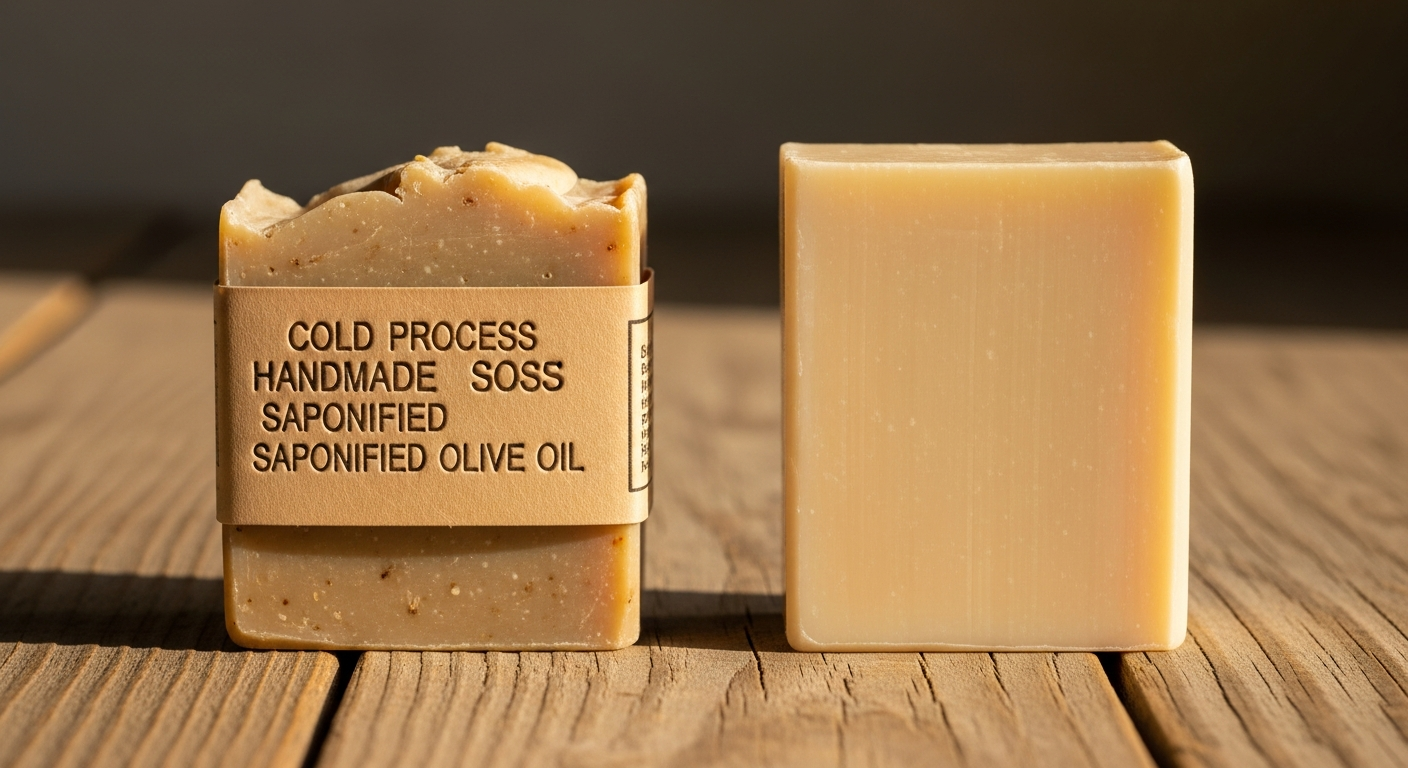
The FDA defines soap as "alkali salts of fatty acids" — meaning it has to be made through the saponification process we just talked about. Products like Dove, Softsoap, most liquid hand soaps, and even many bar soaps use synthetic surfactants instead. The most common one to look for is sodium lauryl sulfate (SLS) — if that's on the ingredient list, you've got a detergent, not soap.
How to tell the difference: flip your bar over and read the ingredients. A real soap will have a short list that reads like "saponified olive oil" or "sodium cocoate, sodium palmate" (those are the chemical names for saponified coconut and palm oils). A detergent has a long list of things you can't pronounce, with some variation of "sulfate" in there.
Why does this matter? A few reasons. True soap is always basic (pH 9-10). Commercial detergents are often pH neutral or even slightly acidic (7 or lower). More importantly: during the soap-making process, glycerin is produced as a byproduct and stays in the final bar. Commercial manufacturers remove that glycerin and sell it separately to the cosmetics industry — then add cheaper, more drying ingredients back in. That's why a lot of people find commercial "soap" dries out their skin.
Why Soap's Alkalinity Is Good for Cleaning — and What It Means for Your Skin
The reason soap works so well at cleaning is directly connected to its basic nature. Soap molecules have two ends: a hydrophobic (water-hating) tail that clings to oil and grease, and a hydrophilic (water-loving) head that bonds to water. When you lather up, these molecules cluster around oil droplets — creating tiny balls called micelles, where the oily stuff is trapped in the center and the water-loving ends face out. When you rinse, the water pulls the whole micelle away, taking the grease with it.
The slightly alkaline pH makes this process more effective than a neutral cleanser would be for cutting through heavy oils and grime.
For skin care, though, there's a nuance worth knowing. Your skin naturally sits at a pH of 4.5 to 5.5 — mildly acidic — and that slight acidity is part of what protects you against bacteria and environmental irritants (this is called the "acid mantle"). Washing with a pH 9-10 soap temporarily pushes that pH up. For most people, skin recovers its natural balance within a few hours and it's not a problem.
For people with sensitive or dry skin, though, repeated disruption of the acid mantle can cause irritation and dryness over time. This is why dermatologists sometimes caution against bar soap — but it's worth clarifying that most of what they're warning about is commercial detergent bars, not genuine cold-process soap. Commercial bars remove glycerin, which means you lose the natural humectant that would otherwise draw moisture to your skin. Handmade cold-process soap keeps all the glycerin intact, which is why many people with sensitive skin actually find it gentler than the expensive "sensitive skin" bars at the pharmacy.
So — Can You Make Your Own Natural Soap at Home?
Now that you know what soap actually is — oils plus lye plus water, reacted into an alkaline salt — you've already got the conceptual foundation for making it yourself. And honestly, it's more approachable than most people think.
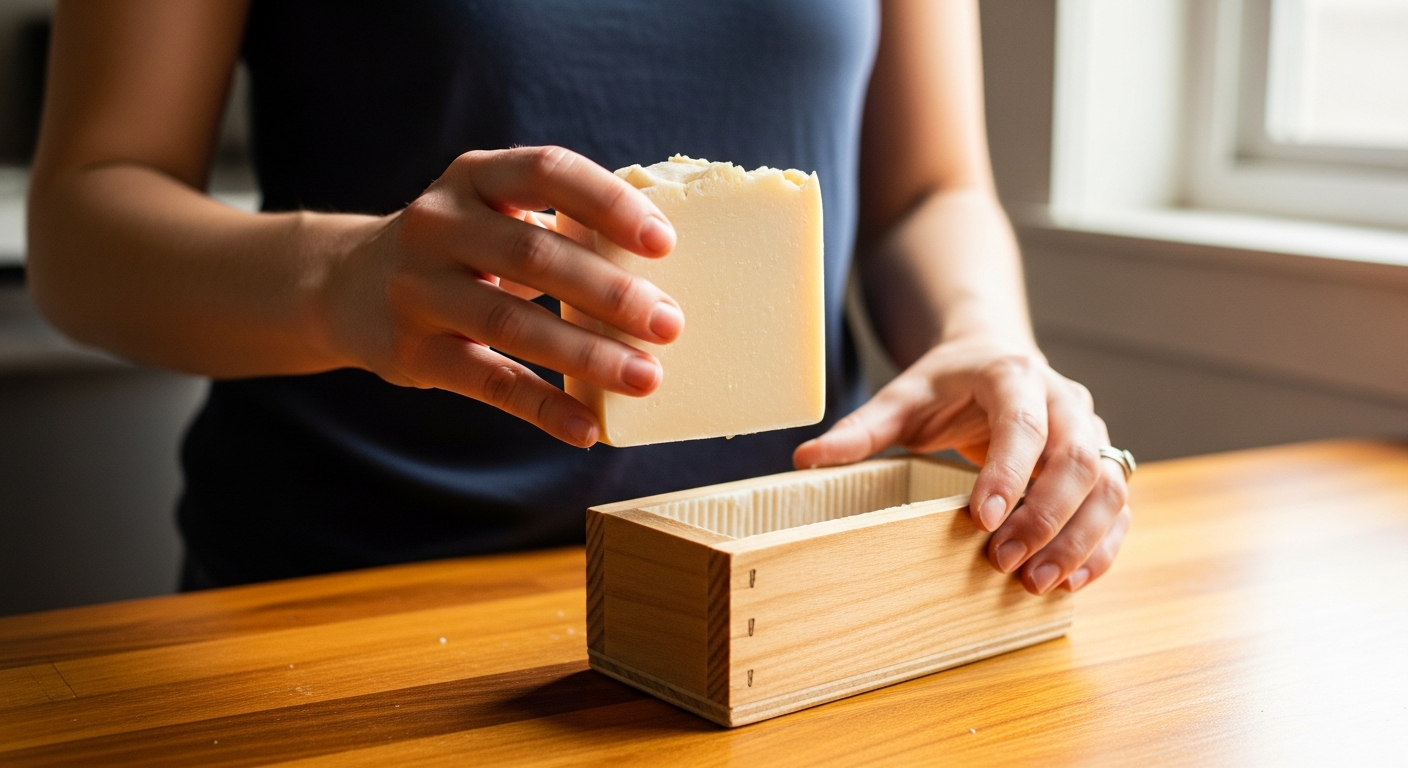
Cold-process soap is the traditional method, the same way soap has been made for centuries. You combine your oils (melted down if they're solid), add your lye-water solution at the right temperature, mix until it reaches "trace" (a pudding-like consistency), then pour it into a mold and let it cure for 4 to 6 weeks. During that cure time, the saponification reaction completes fully — so by the time the soap is ready to use, there's no active lye remaining at all.
The main safety step is handling the lye correctly: always add lye to water (not the other way around), wear gloves and eye protection, and work in a well-ventilated space. It's the same kind of sensible precaution you'd take canning with a boiling water bath — not scary, just smart.
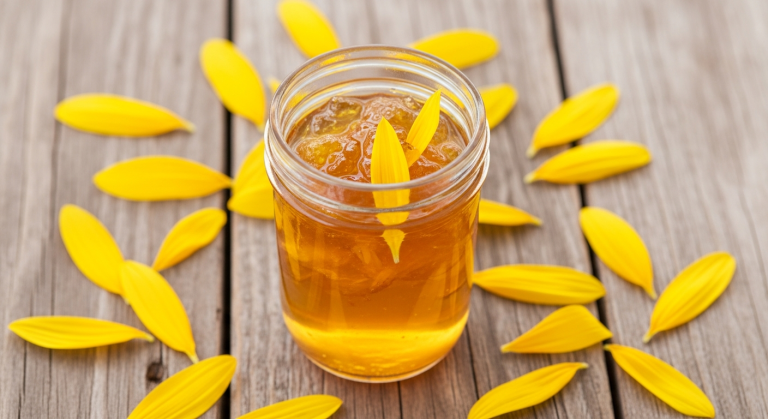
If you're curious about trying it, a basic recipe like a simple honey soap or an olive oil bar is a great starting point. You don't need much equipment, and the ingredients are affordable.
FAQ — Is Soap a Base? Your Questions Answered
Is soap a base or an acid? Soap is a base. It's an alkaline salt at pH 9-10, produced when fats or oils react with lye (sodium hydroxide) during saponification. Despite being made with a strong base, finished soap is safe because all the lye is consumed in the reaction.
What is the pH of soap? Traditional bar soap made by saponification tests at pH 9-10. For reference, water is pH 7 (neutral), baking soda is pH 9, and bleach is pH 12-13. True soap is always basic; commercial detergents labeled as "soap" are often closer to neutral (pH 7).
Is soap a strong or weak base? Soap is a weak base. The lye used to make it is a strong base (pH 13-14), but saponification consumes all the lye, leaving finished soap at a much milder pH of 9-10.
Why don't dermatologists recommend soap? Most commercial "soaps" are synthetic detergents, not true soap. These detergents can disrupt the skin's natural pH (4.5-5.5), and because manufacturers remove glycerin from commercial bars, they can be more drying than genuine cold-process soap. The advice against "soap" is mostly about detergent bars, not genuine handmade soap.
Can we use any soap as a soap base for crafting? No — "melt-and-pour soap base" is a specific product: a pre-made glycerin or shea butter formulation sold specifically for crafting. You can't simply melt a bar of cold-process soap and pour it into molds the same way. They're different products made differently.
Is soap a salt? Yes, technically. In chemistry, "salt" doesn't just mean table salt — it refers to any compound formed by combining an acid and a base. Soap is the alkaline salt produced when fatty acids (weak acid) react with lye (strong base).
What did people use before soap? Ancient peoples used a crude form of soap made from plant ash (a natural source of potassium hydroxide) and animal fat — essentially a primitive version of cold-process soap. Sand, clay, and abrasive plant materials were also used as mechanical cleaners before saponification was understood.
Is handmade soap better for skin than commercial soap? For many people, yes — especially those with dry or sensitive skin. Handmade cold-process soap retains its natural glycerin (a moisturizing byproduct of saponification) and uses whole oils without synthetic surfactants. Commercial soap formulations often strip glycerin and replace it with cheaper, more drying ingredients.