Orpington Chicken Colors: Every Variety from Buff to Rare (2026 Guide)
Last updated March 11, 2026
When I started researching Orpingtons for my flock, I thought the color choice would be simple. Then I fell down the rabbit hole — Blue vs. Lavender, APA-recognized vs. non-standard, Jubilee vs. Splash — and suddenly it felt like I needed a degree in poultry genetics just to order chicks.
I've done the research so you don't have to. This guide covers every major Orpington color, what each one actually looks like, how easy they are to find, and — most importantly — which one is right for your situation.
Quick Snapshot: Orpington Colors at a Glance
- APA-recognized colors (4): Buff, Black, White, Blue
- Most common in the US: Buff — available at virtually any hatchery or Tractor Supply Chick Days
- Most popular non-APA color: Lavender — the most sought-after and hardest to find at standard hatcheries
- Rarest: Jubilee and Chocolate — typically require specialty breeders with waitlists
- Best for beginners: Buff (easy to find, proven, excellent temperament)
- Best "wow factor" pick: Lavender (silvery-lilac, breeds true, stunning in a flock)
The 4 APA-Recognized Orpington Colors (The "Official" Four)
The American Poultry Association recognizes four Orpington varieties in the US. APA recognition matters mainly for show birds — if you plan to enter competitions, you'll need one of these four colors. For backyard flocks, it's less important, but it does generally mean these colors are the most widely available from hatcheries.
Here's what you need to know about each one.
Buff Orpington
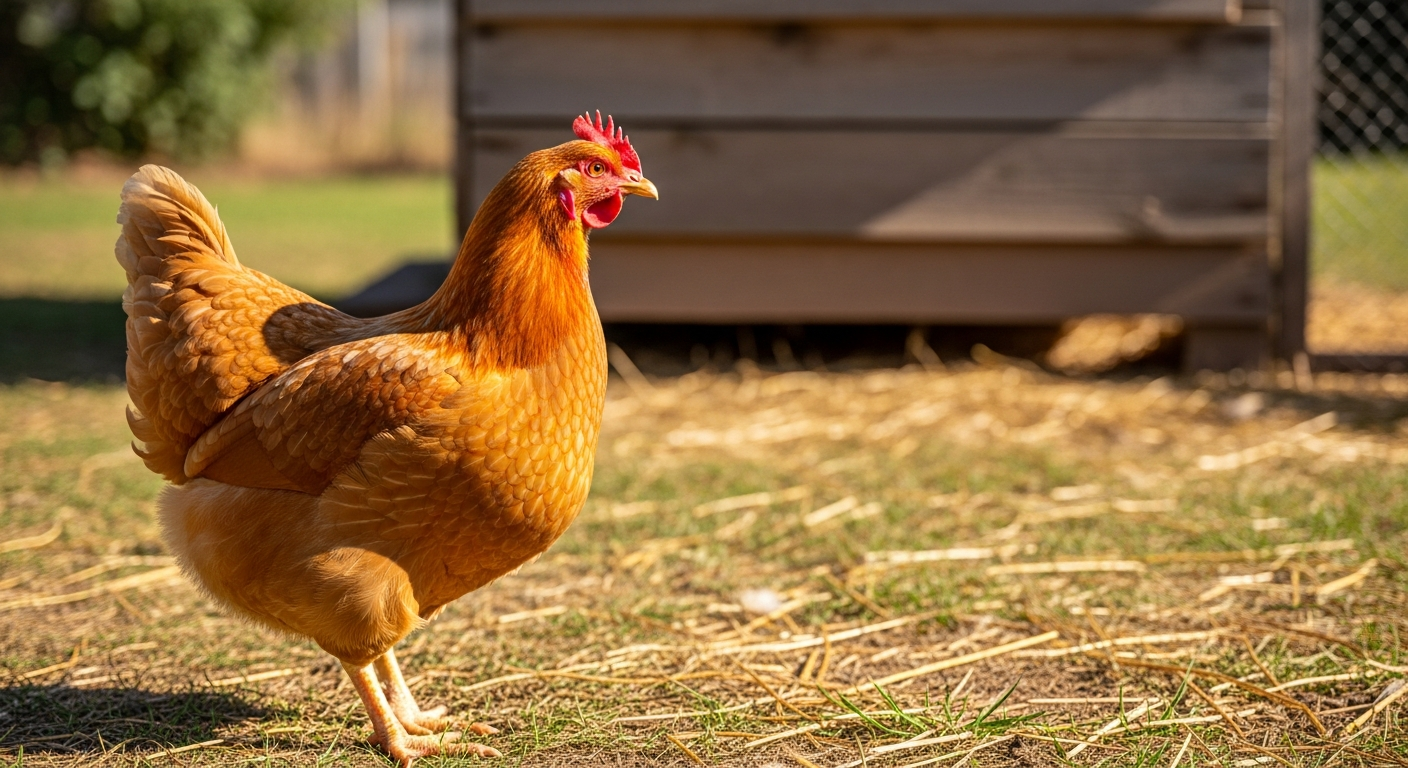
Buff is the color that probably comes to mind when most people picture an Orpington. The feathers are a warm, sun-golden color — like a fluffy golden retriever decided to become a chicken. The legs are pink-white, the build is substantial and round, and the whole bird has that classic "storybook farm" look that makes them so popular.
Buff Orpingtons were recognized by the APA in 1902, making them one of the earliest American-recognized varieties. They're docile, friendly, good with kids, and reliable layers at 150–200 eggs per year. If you're ordering chicks for the first time, Buff is available from nearly every hatchery in the country — you can often find them at Tractor Supply during their spring Chick Days event too.
A lot of people assume Buff is the "boring" choice. It isn't. It's the proven choice. There's a reason it's still the most popular Orpington color after more than a century.
Black Orpington
Most people walk right past the Black Orpington at the feed store. That's a mistake.
In plain sunlight, Black Orpingtons have jet black feathers with an iridescent green sheen — like a beetle or a raven. In certain light, those feathers shift and shimmer in a way that's genuinely stunning. It's one of the most visually dramatic birds you can have in a backyard flock, and almost nobody expects it.
Black was actually the original Orpington color — the breed was developed by William Cook in England in 1886, and Black was the first variety. The APA recognized it in 1905. The legs and beak are black, the personality is the same gentle Orpington temperament, and they're still widely available from most hatcheries. They lay the same 150–200 eggs per year as any other Orpington.
If you want something beautiful and a little different without chasing down a specialty breeder, Black is an underrated choice.
White Orpington
White Orpingtons are pure snow-white with soft pink legs — clean and striking in a mixed flock, especially against greenery. The APA recognized them in 1905, the same year as Black. They're less common than Buff but available from most major hatcheries.
White Orpingtons tend to be popular for shows and photography because the all-white plumage photographs beautifully. Egg production and personality are the same as the rest of the Orpington family. If you're putting together a visually interesting flock with multiple breeds, a White Orpington adds great contrast.
Blue Orpington (and the BBS Color System)
Blue Orpingtons have a slate-blue/grey color with a slightly lacy look to the feathers — think of a blue-grey cat in chicken form. The APA recognized them in 1923, and they've been popular ever since.
Here's what you need to know before ordering Blue Orpington chicks: you won't necessarily get all Blue chicks. This surprises a lot of first-time buyers, so let me explain it plainly.
Blue Orpingtons follow what's called the Blue/Black/Splash (BBS) genetics system. When two Blue Orpingtons breed, their offspring come out in a predictable ratio: roughly 50% Blue, 25% Black, and 25% Splash (white with blue-grey splashes). This is completely normal genetics — it's not a problem with your hatchery order. If you're ordering from a breeder who raises Blue Orpingtons, expect a mixed batch.
All three colors — Blue, Black, and Splash — are beautiful birds, equally healthy, and the same wonderful Orpington temperament. But it's worth knowing upfront so you're not surprised when you open your shipping box.
Popular Non-APA Orpington Colors Worth Knowing
"Non-APA" sounds like it means lesser quality — it doesn't. Several non-APA Orpington colors are actually more beautiful and more sought-after than the official four. The only real difference is show eligibility in APA competitions. For a backyard flock, it doesn't matter at all.
Lavender Orpington
If you've seen a Lavender Orpington on Pinterest and couldn't stop thinking about it, you're not alone. They're the most sought-after non-standard Orpington color, and once you see them in person, the appeal is obvious.
Lavender Orpingtons have a silvery-lilac color — softer and more even than Blue, almost dusty-looking in certain light. The legs and beak are slate-gray, which is a distinguishing detail that sets them apart from other Orpington colors at a glance. The color was developed in the late 1990s from a diluted black gene.
Here's the key thing that confuses people about Lavender: it's not the same as Blue, and it breeds completely differently. Lavender has its own dedicated gene that breeds true — two Lavender parents will always produce Lavender chicks. There's no BBS surprise. What you order is what you get.
The tradeoff is availability and price. Lavender Orpingtons are typically available through specialty breeders rather than mass-market hatcheries, and they cost more — usually $15–$25+ per chick compared to $4–$13 for standard colors. They lay 170–200 eggs per year, slightly higher than average for Orpingtons.
If you're comfortable with your flock and want to add something truly beautiful, Lavender is worth the premium.
Jubilee Orpington
Jubilee Orpingtons are genuinely stunning — a brown or mahogany base color covered in white and black speckles, like a bird that rolled in confetti. The patterning is complex and eye-catching in a way that none of the solid-color Orpingtons can match.
The honest part: Jubilee is a rare color in the US, primarily recognized under British Poultry Standards rather than APA. Finding a reputable Jubilee breeder takes research, and waitlists are common. The price reflects that rarity.
If you're new to Orpingtons, I'd recommend getting comfortable with a Buff or Black first, then exploring Jubilee once you know what you're doing. For experienced keepers who want something truly special, Jubilee is worth the hunt.
Splash Orpington
Splash is one of those colors most people don't know exists until they order Blue Orpington chicks — and then a quarter of the box turns out to be these beautiful, hand-painted-looking birds with a white base and irregular blue-grey splashes all over their feathers.
Splash is a natural outcome of BBS genetics (the same system that produces Blue and Black). It's not a separate variety that you specifically breed for — it's what happens when two Blue Orpington parents produce offspring. About 25% of those chicks will be Splash.
The good news: Splash birds are just as healthy and sweet-tempered as any other Orpington color, and they're surprisingly easy to find because any Blue Orpington breeder will have them. If you want something unique without tracking down a specialty breeder, ordering Blue Orpington chicks almost guarantees you'll end up with a Splash or two.
Rare and Hard-to-Find Orpington Colors (For the Truly Dedicated)
Beyond the colors covered above, there are a handful of rarer Orpington varieties that exist primarily in UK breeding programs or with small US specialty breeders.
Chocolate: A rich, dark brown color — one of the rarest Orpington varieties in the US. Striking, but genuinely hard to source.
Cuckoo: A barred black-and-white pattern similar to a Barred Rock. UK-recognized. Some specialty US breeders carry them.
Lemon Cuckoo: Similar barred pattern to Cuckoo, but in gold and yellow tones. Very rare in the US.
Gold Laced: Golden base feathers with black lacing around the edge of each feather — elegant and intricate.
Mottled: Black feathers tipped with white, giving the bird a speckled appearance.
Partridge: Brown feathers with complex, darker markings — similar to a Partridge Rock.
A practical note about most of these colors: they're recognized under British Poultry Standards, not APA. In the US, that means hunting down specialty breeders, possible waitlists, and prices that reflect the rarity. If one of these colors has caught your attention, that's great — just plan for a longer search timeline than a standard hatchery order.
Orpington Color Comparison Chart
Here's a quick reference comparing all the major Orpington colors side by side:
| Color | APA Recognized | Rarity in US | Typical Price | Best For |
|---|---|---|---|---|
| Buff | ✅ Yes (1902) | Very Common | $4–$8/chick | Beginners, first flock |
| Black | ✅ Yes (1905) | Common | $5–$10/chick | History lovers, dramatic look |
| White | ✅ Yes (1905) | Common | $5–$10/chick | Shows, mixed flock aesthetics |
| Blue | ✅ Yes (1923) | Common | $8–$13/chick | BBS variety, slate-blue fans |
| Lavender | ❌ Non-APA | Moderate | $15–$25+/chick | "Wow factor," breeds true |
| Splash | ❌ Non-APA | Common (BBS) | $8–$13/chick | Unique look, easy to find |
| Jubilee | ❌ Non-APA | Rare | $25–$50+/chick | Enthusiasts, UK show birds |
| Chocolate | ❌ Non-APA | Very Rare | $30+/chick | Advanced breeders |

Which Orpington Color Should You Get?
Okay — I've laid out all the options. Now let me actually help you choose.
Starting your first flock? Go with Buff or Black. Both are widely available, beginner-friendly, and everything you'd want in a first Orpington. Buff is slightly more common, but honestly, pick the one that appeals to you visually — you'll be looking at these birds every day.
Want something beautiful and eye-catching? Lavender is your bird. Nothing in the standard hatchery lineup looks like a Lavender Orpington. The price premium is real, but if you're going to spend years looking at your chickens, spending a bit more on a bird you love is worth it.
Interested in watching genetics play out? Order Blue Orpington chicks. You'll get a mix of Blue, Black, and Splash — every box is a little different, and it's genuinely fun to see which birds emerge. Just know what you're signing up for so you're not surprised.
Planning to show birds in APA competition? Stick to Buff, Black, White, or Blue. These are the only APA-recognized colors, and show eligibility requires it.
Have experience and want a real project? Jubilee or Chocolate from a specialty breeder. Beautiful birds — but do your homework on the breeder first, and plan for a longer timeline.
My honest recommendation for most backyard chicken keepers: start with Buff. Add a Lavender or two once you're comfortable with your flock. You'll have the best of both worlds — a reliable, easy bird and a showstopper. That's exactly what I'd do if I were starting over.
FAQ: Orpington Color Questions Answered
What is the rarest Orpington color?
In the US, Chocolate and Mauve Orpingtons are among the rarest — they're almost exclusively found through specialty breeders, and many sourced from UK imports. Jubilee is also considered rare in the US market, though it's more established in the UK under British Poultry Standards. If you're looking for any of these colors, plan for a search and a waitlist.
What is the difference between Lavender and Blue Orpingtons?
This is the most common color confusion with Orpingtons, and it's a fair question because both are in the blue-grey family. The key differences: Blue Orpingtons follow the BBS genetics system — two Blue parents produce a mix of Blue, Black, and Splash offspring. Lavender Orpingtons carry a completely separate gene that breeds true — two Lavender parents always produce Lavender chicks. Visually, Lavender is softer and more even in color, while Blue has a slightly darker, lacy appearance. Lavender birds also have distinctively slate-gray legs and beak, while Blue legs tend toward the pink-white of other Orpingtons.
Do all Orpington colors lay the same amount of eggs?
Mostly, yes. Most Orpington colors produce 150–200 brown eggs per year. Lavender Orpingtons tend to average slightly higher at 170–200 eggs per year. Color doesn't significantly affect egg-laying ability in Orpingtons — their gentle temperament and broodiness are consistent traits across the breed regardless of color.
What colors come from breeding Blue Orpingtons?
This is the BBS system: Blue x Blue produces roughly 50% Blue chicks, 25% Black chicks, and 25% Splash chicks (white base with blue-grey splashes). All three are normal, healthy Orpington birds. If you want to consistently produce Blue offspring, you'd need to breed Blue x Black (which produces 50% Blue and 50% Black). Most backyard keepers just order from a hatchery and enjoy whatever mix they get.
Can you keep different colored Orpingtons together?
Absolutely. All Orpington colors share the same gentle, docile temperament — they're one of the most flock-friendly breeds you can raise. Mix and match colors freely. A flock with Buff, Black, and Lavender Orpingtons together is actually beautiful, and they'll all get along without any issues.

Whichever color you end up with, Orpingtons are genuinely one of the best backyard chickens out there — calm, friendly, good layers, and beautiful birds to watch. The color choice matters mainly because you'll love looking at your flock every single day. Pick the one that makes you happy.
If you're ordering chicks for the spring season, most hatcheries start shipping in February — it's worth reserving your chicks early before specific colors sell out.