Rose and Honeysuckle: June Birth Flower Meanings, Growing Tips, and DIY Uses for Your Homestead
Last updated March 11, 2026
If you've ever looked up the June birth flower expecting just one answer, you might have been surprised: there are two. Rose and honeysuckle both belong to June — and honestly, the pairing makes perfect sense. Both are at their absolute peak in early summer, both smell incredible, and both have centuries of symbolism woven into them.
What does rose and honeysuckle mean?
Rose and honeysuckle are June's two official birth flowers. The rose symbolizes love, beauty, and passion. Honeysuckle represents devoted affection, happiness, and the sweet nostalgia of summer. Together, they reflect a warm-hearted, romantic nature — and both grow beautifully in a home garden.

What Are the June Birth Flowers? (And Why Two?)
June babies are lucky — they get two birth flowers, not just one.
The rose is the primary birth flower for June, and it's probably the one you already associate with the month. But the honeysuckle is the quieter companion — less famous, but just as meaningful. The reason honeysuckle flies under the radar is simple: it's a climbing vine or shrub, not a cut flower. Florists can't easily bundle it into a bouquet, so most people never connect it to June the way they do roses.
But in a garden? Honeysuckle is stunning. The vines cascade over fences, scramble up arbors, and fill the evening air with a scent that's pure summer. Both plants bloom at their peak in June — which is exactly why they were paired as the birth flowers for the month. It's not arbitrary. Step outside in early June and you'll smell both of them.
The Meaning Behind Rose and Honeysuckle
Both flowers carry the same broad theme — love and happiness — but they express it differently. The rose is the bold declaration: passionate, romantic, impossible to ignore. Honeysuckle is the quieter kind of love — devoted, long-lasting, nostalgic. If roses are a love letter, honeysuckle is the handwritten card you find tucked in a drawer twenty years later.
What Do Roses Symbolize? The Color-by-Color Guide
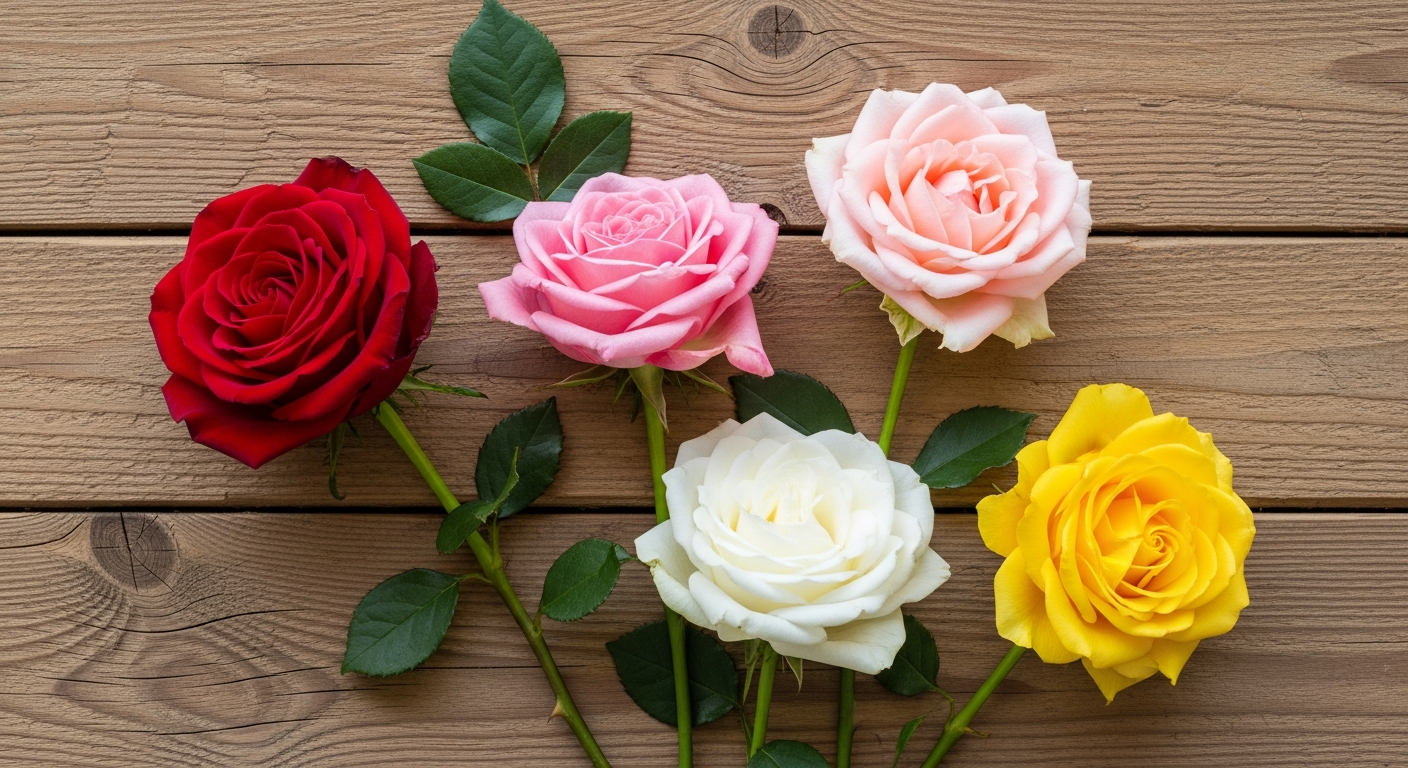
The rose is probably the most recognized symbol of love in the world, and it's been earning that status for at least 5,000 years. But the meaning shifts pretty dramatically depending on the color — which matters a lot if you're choosing one as a gift.
| Rose Color | Meaning | Best For |
|---|---|---|
| Red | Passionate romantic love | Partner, spouse |
| Pink | Gratitude, admiration, gentle affection | Friends, mothers, sisters |
| White | Purity, new beginnings, innocence | Milestones, graduations, new moms |
| Yellow | Friendship and joy | Close friends |
| Orange | Enthusiasm, excitement, fascination | Celebratory moments |
| Lavender/Purple | Enchantment, love at first sight | New or deepening relationships |
| Peach/Coral | Sincerity, gratitude, modesty | Thank you gifts |
One detail I love: the phrase "sub rosa" — Latin for "under the rose" — has historically meant something kept in confidence. Romans would hang a rose above a table to signal that what was said there stayed there. Even in the 15th century, during the War of the Roses, the flower was powerful enough to represent warring royal houses. It's been carrying weight for a long time.
What Does Honeysuckle Symbolize?
Honeysuckle's name comes from the Middle English word honeysouke — because you can literally suck the sweet nectar straight from the base of the flower. It's one of those plants that earns its name.
The symbolism runs deep in three directions. First, devoted and lasting love — the climbing vine is itself a metaphor. It grows toward the light, wraps itself around whatever supports it, and doesn't let go. In Victorian flower language, giving honeysuckle meant "our bond cannot be broken." Second, happiness and nostalgia. The scent of honeysuckle is one of those rare things that can pull you straight back to a summer from childhood — barefoot, warm evening, screen door slamming. That memory-triggering quality is part of why it's been associated with sweetness and joy across cultures. Third, protection. European folklore says that planting honeysuckle near the home keeps out negativity and evil spirits. The Druids included it in the Celtic ogham alphabet specifically to represent joy and happiness.
One more detail worth knowing: honeysuckle's fragrance releases strongest at dusk. If you plant it near a porch or window, the evenings in June will smell extraordinary.
What Your June Birth Flowers Say About You
If you were born in June, your birth flowers say something specific about you — and it's not generic horoscope language. This is grounded in what these flowers actually mean.
The rose says you're romantic — not in a sentimental, over-the-top way, but in the classic sense. You value beauty. You notice it in ordinary places. You have a timeless quality about you — you're not chasing trends, and you don't need to be. Like the rose, you're the kind of person who has been beloved across cultures and centuries because some things just don't go out of style.
The honeysuckle says you draw people in. Not loudly, not by demanding attention, but the way the flower does — through sweetness, through warmth, through the simple fact that being around you feels good. Honeysuckle blooms attract hummingbirds from far away with nothing but nectar and fragrance. June people often have that same quality: they create a welcome feeling without trying very hard.
Together, your birth flowers suggest someone who is warm-hearted, romantic in the best sense, and genuinely nourishing to the people around them. You find sweetness in everyday things — the honeysuckle's whole life is finding beauty in overlooked corners of the fence line.
If you're shopping for someone with a June birthday, knowing this gives you something meaningful to write in the card — not just "happy birthday," but why these specific flowers were chosen for them.
How to Grow Roses at Home (Even If You're a Beginner)
Roses have a reputation for being fussy. Most of them aren't — that reputation comes from old high-maintenance varieties that needed a lot of coddling. Modern roses, especially disease-resistant shrub varieties, are genuinely easy.
Here's what they actually need:
- Sun: 6+ hours of direct sunlight daily. This is the one non-negotiable. A shaded rose is a sad rose.
- Soil: Well-draining and enriched with compost. Roses don't like wet feet.
- When to plant: Spring, after your last frost date — or fall, at least 6 weeks before your first frost. Both work; either planting season gives roots time to establish.
- Watering: Deep and infrequent. Water at the base, not overhead, and do it in the morning. Wet foliage at night is how you get fungal problems.
- Basic pruning: In early spring, cut out any dead, crossing, or diseased canes. Deadhead spent blooms through the season to keep the plant reblooming.
- USDA zones: Roses are remarkably adaptable — most grow in zones 3–10, but check your specific variety.
For beginners, I'd start with Knock Out roses. They're disease-resistant, come back reliably every year, and barely need attention. They won't win a rose show, but they'll give you beautiful blooms from June through frost without drama.
If you want to use your roses for DIY projects — rose water, petal tea, infused honey — choose a highly fragrant variety. Most Hybrid Tea roses and English roses (David Austin is the most famous brand) have the intense scent you need. Avoid anything labeled "long stem" or sold for cutting — florist-style roses are often bred for looks, not fragrance, and scentless petals won't give you much flavor or aroma.
Growing Honeysuckle — And the Warning Every Gardener Needs to Hear
Here's what nobody tells you when you Google "how to grow honeysuckle": most of the cheap honeysuckle sold at big-box garden centers is the invasive kind.
I'm not saying this to scare you off honeysuckle — I'm saying it so you don't accidentally plant something that takes over your yard, your fence line, and possibly your neighbor's yard too. This is genuinely useful information that most gardening articles skip.
Japanese honeysuckle (Lonicera japonica) is the one to avoid. It has creamy white to yellow flowers, an intensely sweet fragrance, stays semi-evergreen, and grows aggressively — as in "smothers native plants and forms dense, impenetrable thickets" aggressively. It's on the invasive species list in 14+ U.S. states.
What to plant instead: coral honeysuckle (Lonicera sempervirens). This is the native North American variety. The flowers are red-orange tubes — beautiful and distinctive — and it's well-behaved, meaning it climbs where you put it and doesn't try to take over the county. It's native to eastern and central U.S. and is a magnet for hummingbirds. For northern climates, also consider American fly honeysuckle (Lonicera canadensis).
Before you buy, check your state's invasive species list. A quick search for "[your state] invasive honeysuckle" will tell you what's regulated where you are.
Growing basics for native honeysuckle:
- Sun: Full sun to part shade — flexible
- Support: It's a vine, so it needs something to climb: a trellis, arbor, fence, or post
- Soil: Well-draining; tolerates a wide range of conditions once established
- Watering: Consistent in the first growing season; largely drought-tolerant after that
- Blooms: Spring through summer; hummingbirds will show up without any invitation
Native vs. Invasive Honeysuckle — How to Tell the Difference
Not sure what kind you have? Here's the quick comparison.
| Japanese Honeysuckle | Coral (Native) Honeysuckle | |
|---|---|---|
| Flower color | Creamy white to yellow | Red-orange tubular |
| Fragrance | Intensely sweet | Mild to none |
| Growth habit | Aggressive; can become dense thickets | Well-behaved vine |
| Invasive? | Yes — regulated in 14+ states | No — native species |
| Wildlife value | Low (displaces native plants) | High — hummingbird magnet |
| Best for homestead? | ❌ Avoid | ✅ Plant this one |
Simple rule: if the flowers are creamy white or yellow and smell amazing, it's probably Japanese honeysuckle. If they're bright red-orange tubes, you likely have the native kind.

What to Do With Roses and Honeysuckle at Home
I love that both of these plants are beautiful AND useful. Once you have them growing, you can actually do things with them — not just look at them. This is the part most June birth flower articles skip entirely, and it's honestly my favorite part.
4 Things to Do With Rose Petals
The key to all of these: use petals from roses you've grown yourself, without pesticides or fungicides. Florist roses are typically treated with chemicals — skip them for anything food or skin-related. Fragrant varieties give you the best flavor and scent; scentless roses aren't worth much in the kitchen.
1. Rose water
Simmer 1 cup of fresh rose petals in 2 cups of water, covered, for about 30 minutes — until the petals lose most of their color. Strain, let cool, pour into a clean bottle. That's it. Use it in lemonade, stir it into pancake batter, spritz it as a facial mist, or add it to a spray bottle for linen spray. It keeps in the fridge for 1–2 weeks.
The first time I made rose water, I couldn't believe how easy it was — or how much my kitchen smelled like a flower shop for the rest of the day.
2. Dried petal sachets
Spread fresh petals on a baking sheet and dry at 150°F for 1–2 hours, or lay them flat on a screen and air-dry for about a week. Once they're fully dry and papery, fill small muslin bags. Tuck them in dresser drawers, lay one on a pillow, or tie several together with twine as a gift. Simple, beautiful, zero cost if you have a rose bush.
3. Rose petal tea
Use fully dried petals — fresh petals can go moldy before you finish steeping. Add 1 tablespoon of dried petals to a cup of hot water and steep for 5 minutes. The flavor is mild and floral; rose petals are naturally high in vitamin C. Good hot or iced.
4. Rose petal honey
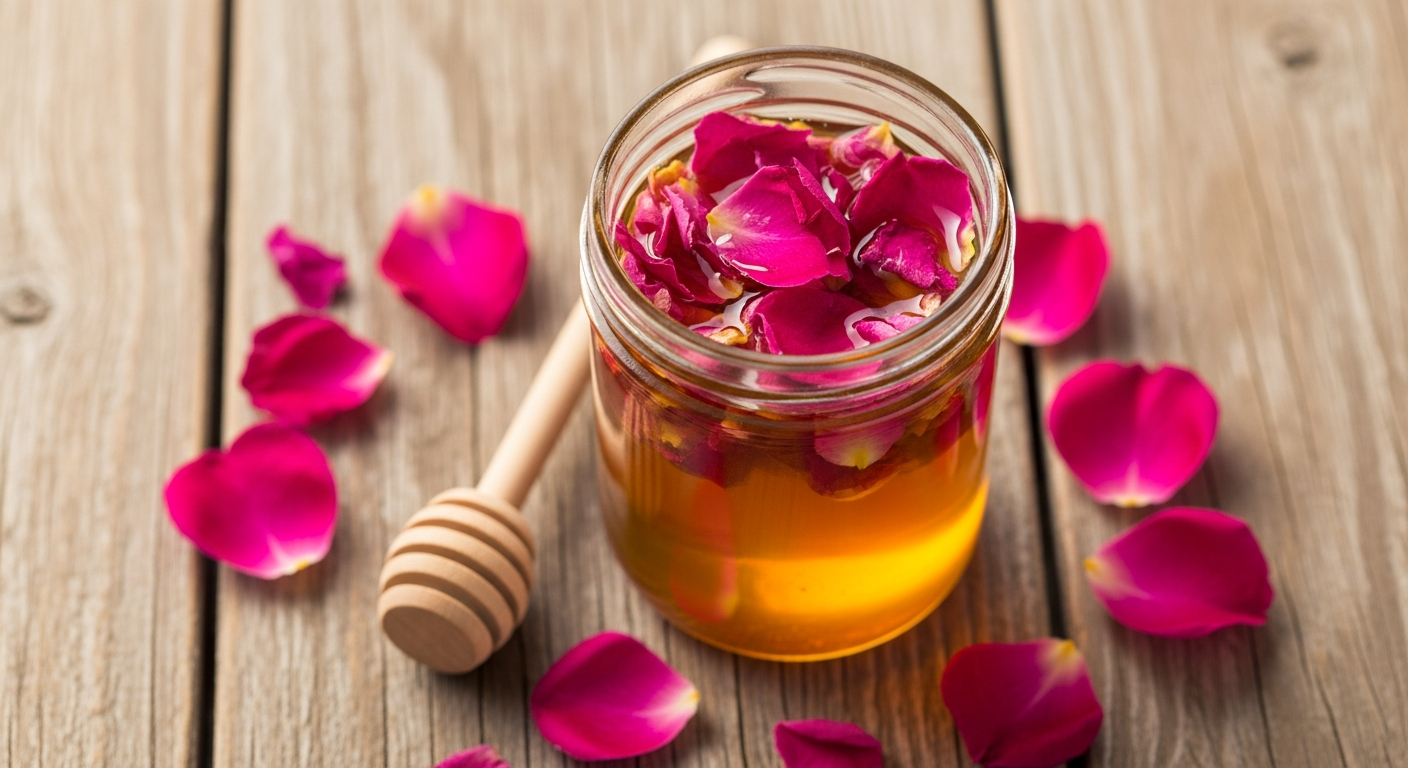
Pack fresh, clean rose petals loosely into a clean jar. Pour raw honey over them until everything is covered. Seal the jar and let it infuse for 1 week at room temperature — no heat needed. Strain the petals out, or leave them in (both are beautiful). Drizzle on biscuits, yogurt, toast, or stir into tea.
3 Things to Do With Honeysuckle Blooms
Honeysuckle flowers are edible and genuinely delightful to work with. Three easy uses:
1. Honeysuckle simple syrup
Bring 1 cup of sugar and 1 cup of water to a gentle simmer. Add 1 cup of fresh honeysuckle blooms, cover, and simmer for 10 minutes. Strain and cool. The syrup is floral and lightly sweet — stir it into lemonade, iced tea, sparkling water, or drizzle it over pancakes. One of those things that sounds fancy but takes about 15 minutes.
2. Honeysuckle tea
Steep 2 tablespoons of fresh flowers (or 1 tablespoon dried) in hot water for 5 minutes and strain. Mildly sweet and calming. Traditional use across many cultures — Chinese, European, Native American — for relaxation and general wellness.
3. Honeysuckle-infused honey
Same method as the rose petal honey: pack fresh blooms loosely in a clean jar, cover with raw honey, seal, and let sit at room temperature for 1–2 weeks. The honey picks up a delicate floral sweetness. Extraordinary on warm cornbread or biscuits.
⚠️ Important: Use only the flowers — not the berries. Honeysuckle berries, on all varieties, are toxic to humans. The flowers are edible; the berries are not. Confirm your variety before using any part of the plant in food or drink, and stick to established edible varieties like Lonicera japonica (flowers only) or L. periclymenum.
June Birthday Gift Ideas From Your Garden (Not a Florist)
One of my favorite things to give for a June birthday is something I made from plants I grew myself. It's more personal than a bouquet, usually costs almost nothing, and the symbolism actually means something — which a generic grocery store arrangement doesn't have.
Here are five ideas:
-
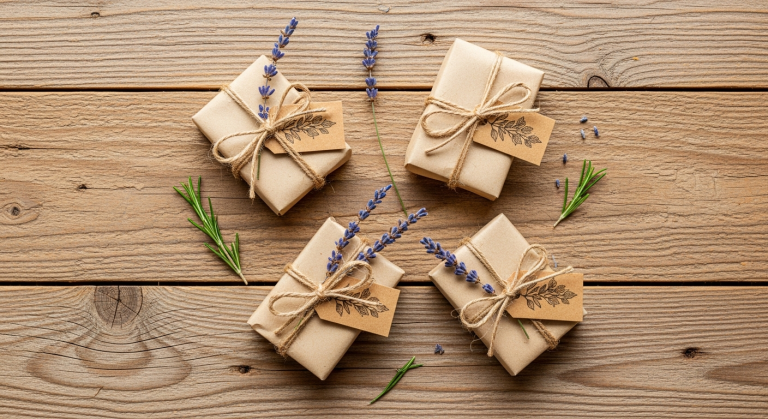
A jar of homemade rose petal honey or honeysuckle-infused honey — tie it with twine and add a small handwritten tag with what it is and where the flowers came from. People love this.
-
A small bottle of rose water in a pretty glass bottle — a genuinely useful gift. The recipient can use it as a facial mist, in recipes, or as a linen spray. Add a ribbon and it looks like something you bought.
-
A bundle of dried rose buds tied with twine — for sachets, a dried arrangement, or just to display in a small vase. Takes almost no effort if you've already been drying petals.
-
A potted native coral honeysuckle vine — the gift that keeps giving every summer. It'll attract hummingbirds, fill June evenings with fragrance, and be a reminder of the person who gave it every year it blooms. Native plants from a local nursery are usually inexpensive.
-
A handwritten card explaining their birth flowers — this one costs nothing. Use the symbolism and color guide from above to write something specific and meaningful. Knowing that the rose symbolizes love and the honeysuckle symbolizes bonds that last is worth putting in a card.
And if you're buying a gift rather than making one — choose the rose color that fits your relationship. See the guide above.
Frequently Asked Questions
What does rose and honeysuckle mean?
Rose and honeysuckle are the two official June birth flowers. The rose symbolizes love, beauty, and passion — with each color carrying its own specific meaning. Honeysuckle represents devoted affection, happiness, and protection.
What are the two June birth flowers?
June has two official birth flowers: the rose (primary) and the honeysuckle (secondary). Both bloom at their peak during June, which is why they're paired as the month's birth flowers.
Is honeysuckle invasive?
It depends on the variety. Japanese honeysuckle (Lonicera japonica) is invasive in 14+ U.S. states and can overtake a garden quickly. Native coral or trumpet honeysuckle (Lonicera sempervirens) is a well-behaved, wildlife-friendly alternative and is the better choice for most home gardens.
What does honeysuckle symbolize in love?
Honeysuckle symbolizes devoted, enduring love — the kind that grows and deepens over time, like the vine itself. In Victorian flower language, it represented bonds of affection that could not be broken. It's also associated with happiness and the nostalgia of first love.
Can you eat rose petals and honeysuckle flowers?
Yes — both are edible when grown without pesticides. Rose petals (home-grown, unfertilized) can be used in teas, honey, rose water, and baked goods. Honeysuckle flowers can be made into syrup, tea, or infused into honey. Important: only use the flowers — honeysuckle berries are toxic to humans.