Mini Highland Cow: Everything You Need to Know Before You Get One (2026)
Last updated March 10, 2026
I completely understand how it starts. You’re scrolling Pinterest, and suddenly there’s a photo of the fluffiest, most ridiculous-looking little cow you’ve ever seen in your life — big brown eyes, hair flopped over its face, looking like a very dignified muppet standing in someone’s pasture. You show your kids. Your kids immediately lose their minds. And now you’re here, wondering whether this is actually a thing you can do.
Good news: mini Highland cows are real, they’re genuinely as sweet as they look, and for the right homestead setup, they’re one of the most rewarding animals you can keep. But there’s a lot of misinformation out there — from breeders who oversell the “miniature” label to articles that only give you the purchase price and skip everything else. I want to give you the full picture so you can make a smart decision.
| Size at maturity | 36–48 inches tall, 500–700 lbs (varies by type) |
| Cost to buy | $2,500–$3,500 per animal |
| Lifespan | 15–20 years |
| Space needed | 1–2 acres minimum |
| Temperament | Docile, gentle, social |
| Best for | Small homesteads, families, first-time large animal owners |
Are Mini Highland Cows Actually Real? The Honest Answer
This is where I have to be upfront with you, because there’s a legitimate debate here. If you’ve done any searching on this topic, you may have come across articles arguing that “miniature Highlands” don’t actually exist — that breeders are simply selling young calves or stunted animals and calling them minis to command higher prices. And that concern isn’t completely wrong.
Here’s the nuanced truth: there is no officially recognized “miniature Highland” breed registry, and the label is largely unregulated. That means some unscrupulous sellers do market unhealthy, stunted, or simply young calves as “mini Highlands.” These animals can grow to standard Highland size — which tops out around 1,100–1,400 pounds — leaving buyers surprised and underprepared.
That said, selective breeding for smaller stature is absolutely happening in legitimate programs. Many responsible breeders have spent years developing smaller-framed Highland lines through careful genetics — not stunting — resulting in animals that genuinely mature at a smaller size. These are real, healthy, well-bred cattle. The challenge is knowing how to tell the difference, which is exactly what we’ll cover in the breeder section below.
Mini vs. Micro Mini vs. Midsize Mini: What’s the Difference?
The Highland cattle industry uses three general classifications, though even these aren’t universally standardized. Here’s the most common breakdown you’ll see from reputable breeders:
| Type | Height at Maturity | Typical Weight | Notes |
|---|---|---|---|
| Micro Mini | Under 36 inches | 300–500 lbs | Rarest; highest price; most sought-after |
| Mini | 36–42 inches | 500–600 lbs | Most common “mini” sold by breeders |
| Midsize Mini | 42–48 inches | 600–700 lbs | Closest to standard size; most available |
The distinction matters for two reasons: space planning and budget. Micro minis cost more and are harder to find from reputable breeders. If you see a “micro mini” priced below $2,000, that’s a red flag worth paying attention to.
What Do Mini Highland Cows Look Like?
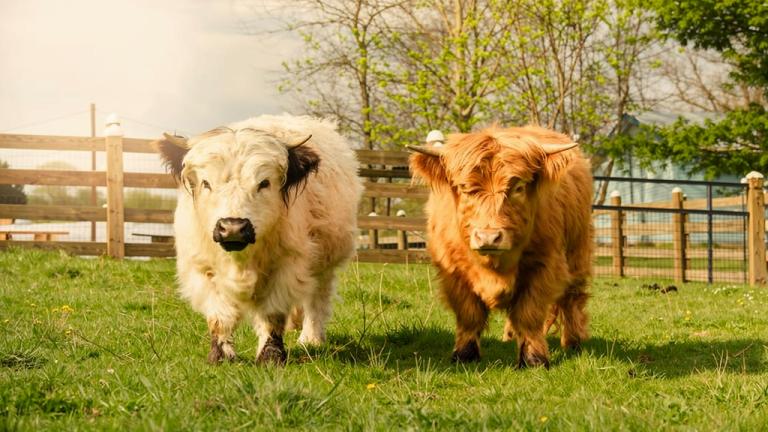
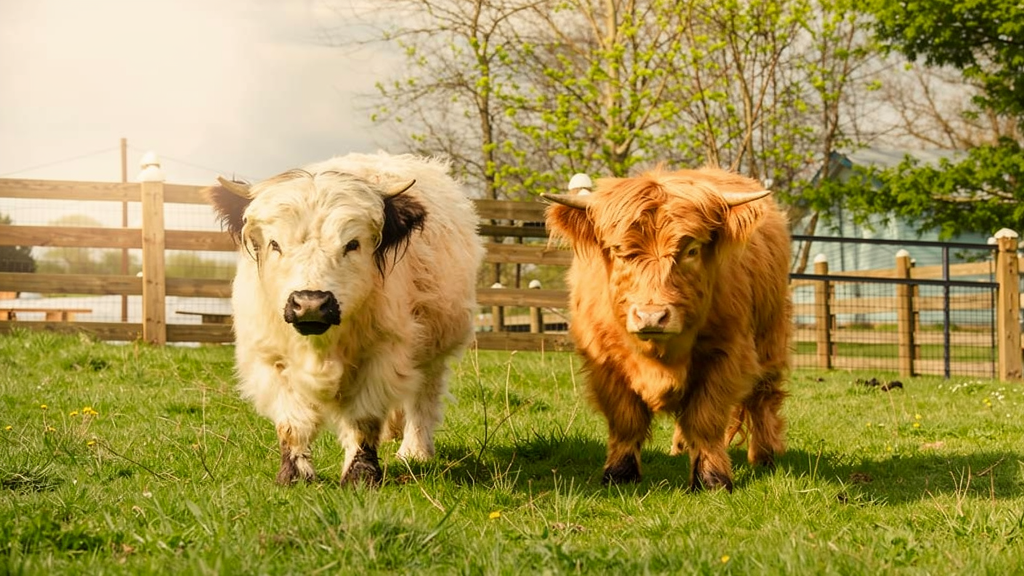
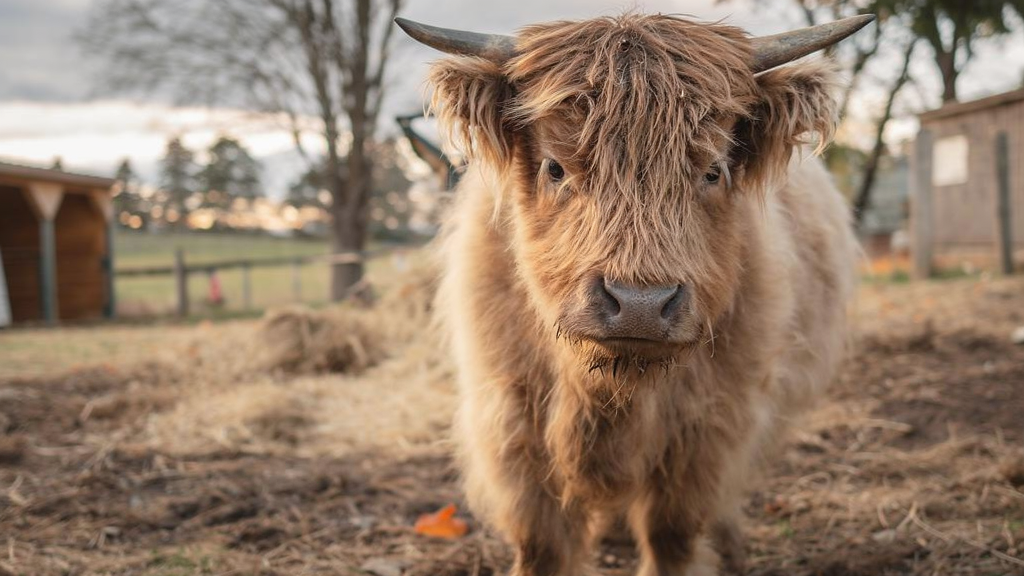
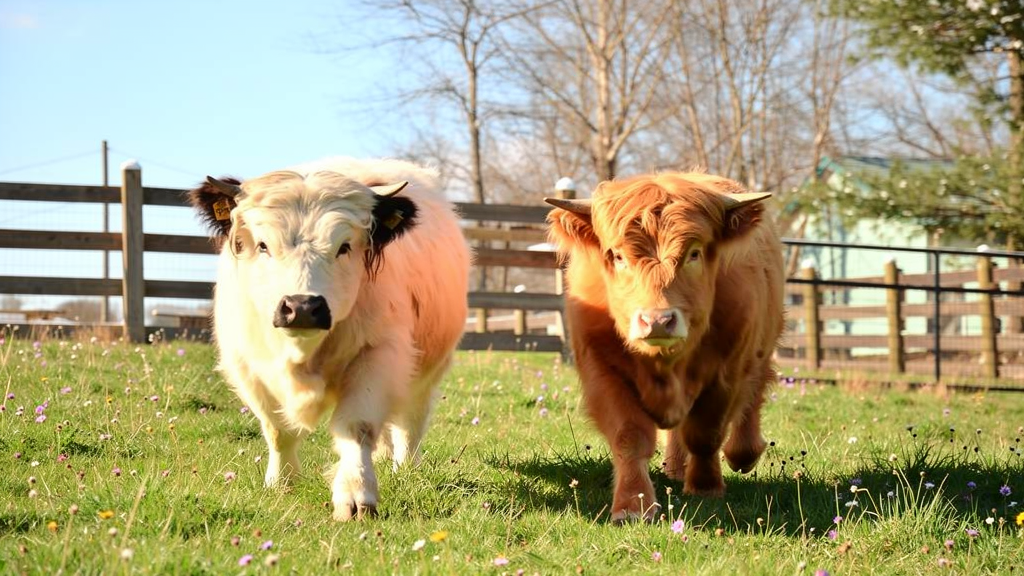
If you’re here because of a photo, you already know — but let me describe what makes them so visually distinctive. Mini Highlands have a long, shaggy double coat: an oily outer layer that sheds rain naturally, and a soft downy undercoat that insulates against cold. That coat comes in red, black, dun, white, silver, or brindle, and it gives them that characteristic fluffy appearance that’s taken the internet by storm.
The signature feature is the long forelock — the bangs that fall over their eyes, giving them what people lovingly call the “emo cow” look. Both males and females carry long, sweeping horns, which sounds intimidating but adds to their charm rather than their danger; these cattle are known for their gentle disposition despite the impressive headgear.
For what it’s worth: in Scotland, they’re called “heilan coos,” and their calves are called “wee coos.” Which is objectively the best piece of livestock trivia I know.
Mini Highland Cow Temperament: Are They as Sweet as They Look?
Yes. This is not just marketing copy from breeders — Highland cattle are genuinely considered one of the most docile breeds in existence. They’re calm, curious, and tend to bond with their owners in a way that larger or more skittish breeds don’t. They’re good with children, patient with handling, and notably easier to work with than many large animal breeds.
They’re also social animals, and this is important to understand before you buy. Mini Highlands do not thrive alone — they need the company of at least one other bovine (or compatible livestock companion). A solo cow can become stressed and difficult to manage. Plan from the start to bring home a pair. That doubles your purchase cost, but it’s genuinely the right thing for the animal and it will make your experience better too.
The one honest caveat: they’re still livestock. A 600-pound animal with horns, no matter how sweet-natured, requires proper handling respect, solid fencing, and appropriate infrastructure. “Gentle” does not mean “no management required.”
Are Mini Highland Cows Good for Homestead Beginners?
Genuinely, yes — with the right setup. They’re one of the more manageable large animals you can start with. They’re hardy, adaptable to most U.S. climates, and far less flighty than goats. If you’ve already kept chickens and have some land, mini Highlands are a logical next step up.
The honest criteria: you need land, budget, and access to a large-animal vet. If those three boxes are checked, the learning curve is manageable. If any of them are missing, work on filling that gap before you buy.
Mini Highland Cow Care: What They Actually Need
Here’s the part that surprises most people — Highland cattle are actually lower-maintenance than many large breeds precisely because of their cold-hardiness and efficient grazing. Their care requirements are real, but they’re not overwhelming for someone with the right land and infrastructure.
Feeding and Nutrition
Mini Highlands are excellent grazers. Their primary diet should be pasture grass in the growing season, supplemented with high-quality hay in winter or during dry spells when pasture quality drops. Unlike many cattle breeds, they don’t need grain — in fact, a high-carb or high-sugar diet can cause obesity and metabolic issues in this breed, so keep grain minimal or eliminate it entirely.
You’ll want a loose mineral supplement available year-round — Highlands need copper, selenium, and other trace minerals that pasture alone often doesn’t fully provide. I keep a loose cattle mineral out at all times; it’s one of those low-effort things that makes a real difference in coat quality and overall health. Budget around 2–3% of body weight in hay per day for each animal during winter months.
Shelter and Space Requirements
The good news about shelter: you don’t need anything elaborate. Mini Highlands are cold-hardy by nature — their double coat handles harsh winters without heated barns or complex housing. A simple three-sided run-in shed that blocks wind and rain is typically all you need to keep them comfortable. They’ll actually seek shade before seeking shelter in most weather.
For space, plan on a minimum of 1 acre per animal — 2 acres for a pair is ideal. More is always better, both for pasture quality and for the animals’ wellbeing. Fencing doesn’t need to be complex; basic cattle panels or field fence works well for mini Highlands, which aren’t the escape artists that goats can be. If you’re starting from scratch with fencing, budget $500–$2,000 depending on acreage and terrain.
Health, Grooming, and Vet Care
Annual core vaccinations are essential — work with a large-animal vet to establish the right protocol for your region (requirements vary significantly). Deworming once or twice a year is standard practice, along with periodic hoof trimming if they’re not naturally wearing their hooves down on varied terrain.
The coat needs attention, especially in spring when they shed their winter undercoat. Regular brushing during shedding season prevents matting and gives you the chance to check for skin issues or parasites. It also builds your relationship with the animal, which matters for ease of handling.
Importantly: find a large-animal vet in your area before you bring animals home. Not every rural area has one, and discovering this gap after purchase is a stressful situation. Budget $150–$400 per animal annually for routine vet care.
How Much Does a Mini Highland Cow Actually Cost?
Here’s what nobody tells you upfront: mini Highlands are cute, but they’re not cheap. And the purchase price is just the beginning. I’ve pulled together real cost estimates so you can plan properly rather than be surprised.
| Cost Category | Estimated Range |
|---|---|
| Purchase price per animal | $2,500–$3,500 |
| You’ll need at least 2 | $5,000–$7,000 |
| Fencing/shelter setup (starting from scratch) | $500–$2,500 |
| Annual hay + mineral supplement | $800–$1,500 per animal/year |
| Annual vet care (routine) | $150–$400 per animal/year |
| Grooming tools (one-time) | $30–$80 |
| First-year total estimate (pair) | $7,000–$14,000+ |
These are estimates — your actual costs will vary based on your region, existing infrastructure, and how much pasture quality your land has. But going in with a realistic number is so much better than going in with just the purchase price in mind. If the first-year range above fits your budget and you have the land, you’re in a position to move forward seriously.
Benefits and Honest Challenges of Owning Mini Highland Cows
Why People Love Them (The Real Benefits)
- Cold-hardy and adaptable. Their double coat means they genuinely thrive in harsh winters without expensive heated housing. Most U.S. climates suit them well.
- Family-friendly in a real way. Their docile temperament makes them safe around children and manageable for beginners — this isn’t just marketing language.
- Long lifespan. A well-cared-for mini Highland will live 15–20 years. That’s a long-term companion and a real relationship, not a revolving-door livestock situation.
- Smaller land footprint. Compared to standard Highland cattle, they need significantly less space and consume less feed — making them workable on smaller homestead properties.
- Milk and lean beef. Mini Highlands can provide milk in small quantities — not dairy-operation volumes, but enough for a homestead family’s daily needs. Their meat is notably lean and lower in cholesterol than most beef breeds.
- They thrive on rougher pasture. They’re browsers as much as grazers and do well on land that wouldn’t support more selective breeds.
What Nobody Tells You (The Real Challenges)
- The upfront cost is significant. You need at least two animals, plus setup costs. Plan for $7,000–$14,000 in the first year. This isn’t a reason not to do it — it’s a reason to plan for it.
- This is a 15–20 year commitment. Like getting a horse. Before you buy, make sure you’re thinking about this as a long-term relationship, not a novelty that might lose its appeal after a year.
- Zoning laws are a real barrier. Check your local ordinances before you buy — some counties prohibit cattle of any size regardless of acreage. I’ve seen people fall in love with the idea and then discover their property doesn’t legally allow it. Check first.
- Large-animal vet access varies. In some areas, finding a vet who sees cattle requires significant planning. Know who your vet is before you have an animal that needs care.
- They’re not backyard pets. They need proper fencing, adequate space, and real livestock management. If your situation is more “suburban yard” than “small acreage,” this probably isn’t the right fit yet.
How to Find a Reputable Mini Highland Cow Breeder
This is where I want to spend a minute, because this is where buyers get hurt. The “mini Highland” market has attracted both excellent breeders doing careful genetic work and opportunists selling mislabeled or unhealthy animals. Knowing the difference before you spend $5,000+ is worth the time.
Red flags — walk away if:
- They use the term “teacup mini Highland.” This is not a real classification and is frequently associated with stunted or unhealthy animals.
- The price is significantly under $2,000. Legitimate mini Highlands from responsible breeders don’t often go that cheap.
- They can’t provide vet health records, a health certificate, or vaccination history.
- They refuse a video call or farm visit — or give vague excuses about why you can’t see where the animals are raised.
- They can’t provide references from previous buyers.
Five questions to ask any breeder before you buy:
- Can I see or video call to meet the dam (mother) and sire (father)?
- Do you provide a vet health certificate and complete vaccination records?
- What is your health guarantee policy — and what are the terms?
- What is the documented mature height of the parents?
- Can I speak with someone who has purchased from you before?
A reputable breeder will welcome every single one of these questions. If you get hesitation or defensiveness, that’s your answer.
Before You Buy: The Honest Mini Highland Cow Checklist
If you’ve made it this far, you have a real sense of what ownership involves. Here’s the five-question self-assessment I’d run through before picking up the phone to call a breeder:
- ✓ Do I have at least 1–2 acres of pasture available?
- ✓ Is there a large-animal vet within a reasonable distance of my property?
- ✓ Can I budget $7,000–$14,000 for a pair and first-year setup costs?
- ✓ Am I prepared for a 15–20 year commitment?
- ✓ Have I confirmed my local zoning laws allow cattle on my property?
If you can check all five boxes: wonderful. Start researching breeders in your region, ask for recommendations in local homestead Facebook groups, and plan a farm visit before you commit. Seeing the animals and their living conditions in person is worth every bit of the trip.
If you’re missing one or two boxes — that’s not a “no,” it’s a “not yet.” Figure out what needs to be resolved and build toward it. Mini Highlands will still be here when you’re ready.
Frequently Asked Questions
How big do mini Highland cows get? Mini Highland cows typically stand 36–42 inches tall and weigh 500–600 pounds at full maturity. Micro minis stay under 36 inches, while midsize minis can reach 42–48 inches.
How much does a mini Highland cow cost? Purchase price is typically $2,500–$3,500 per animal from a reputable breeder. Because they’re social animals that need a companion, budget for at least two — plus fencing, shelter, feed, and vet care. Realistic first-year total for a pair: $7,000–$14,000.
Are mini Highland cows good for beginners? Yes, with the right setup. They’re one of the more manageable large animals you can start with — docile, hardy, and forgiving compared to many breeds. The key prerequisites are land, budget, and access to a large-animal vet.
What is the lifespan of a mini Highland cow? Mini Highland cows typically live 15 to 20 years with proper care. This is a long-term commitment similar in scope to owning a horse.
Do mini Highland cows produce milk? Yes, in modest quantities. They’re not high-production dairy animals, but a mini Highland cow can provide enough milk for a homestead family’s daily needs.
What’s the difference between a mini and a micro mini Highland cow? Micro minis stay under 36 inches tall at maturity; regular minis range from 36–42 inches; midsize minis can reach 42–48 inches. Smaller animals are generally rarer and more expensive.
How much space does a mini Highland cow need? Plan on at least 1 acre per animal — 2 acres for a pair is ideal. They also need a three-sided run-in shelter and solid cattle fencing.